Can I wash my face with tap water in Bali?
Bali Villa Hub
2/19/2026
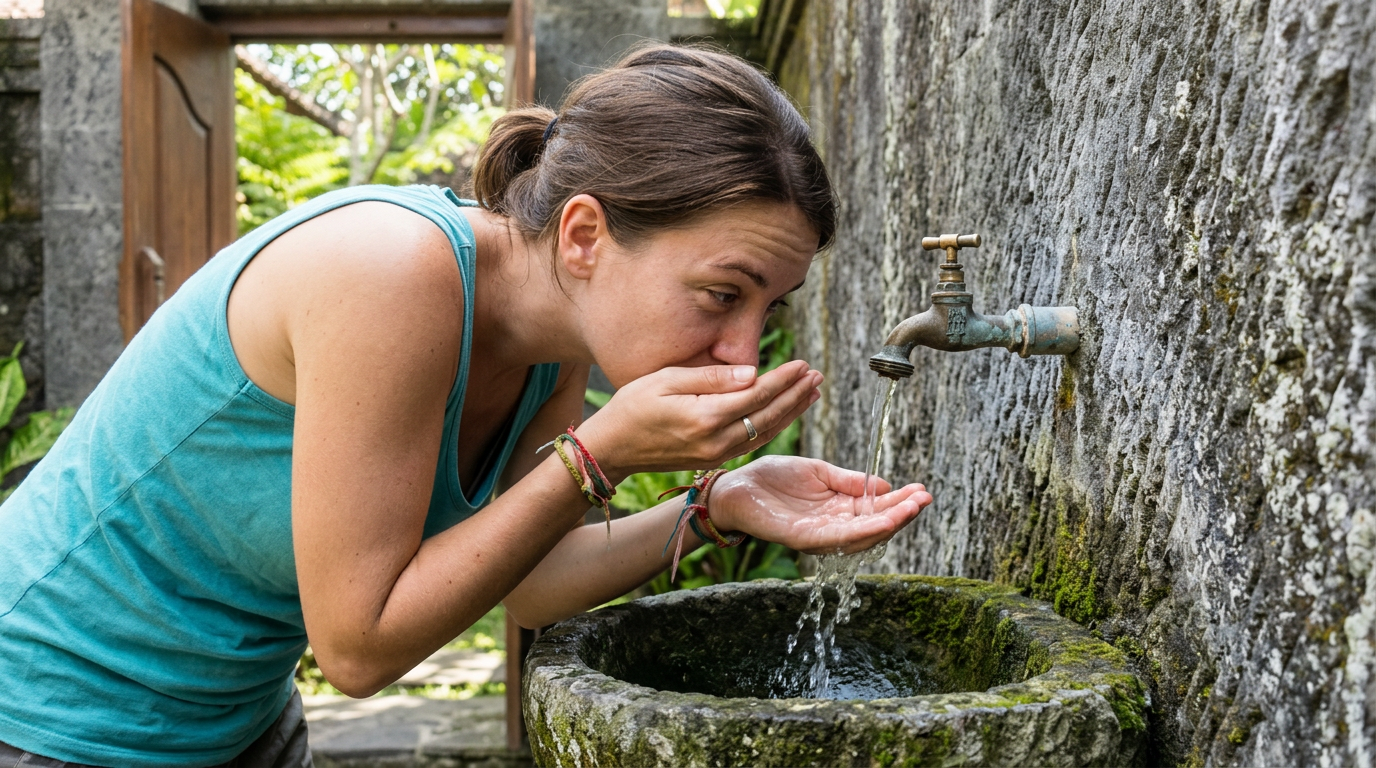
Can I wash my face with tap water in Bali?
Visiting Bali raises many practical questions, and water safety is one of the most common. This article walks through the likely risks and simple precautions you can take when using tap water for personal care, from splashing your face to brushing your teeth and drinking iced beverages. Read on for clear, actionable guidance so you can enjoy your trip without unnecessary worry.
Safety of rinsing your face and hair with Bali tap water
Many visitors wonder whether a quick rinse in Balinese tap water is safe. For most healthy adults a brief splash poses a low risk, but important caveats depend on the water source and personal sensitivity. The island's supply is mixed: some properties connect to municipal mains while others rely on bore wells or storage tanks, and treatment can vary. This means bacteria and protozoa may be present in some locations and mineral content can be higher in rural areas; you may also notice chlorine, metallic or sulfur notes in the water.
Typical water quality and what it may contain
Because treatment differs between suppliers, smaller properties and remote areas are more likely to have untreated or poorly treated water. While many visitors experience no problems from external contact, the variability in source and storage makes it sensible to be cautious with sensitive skin or recent procedures.
Guidance for washing your face
If you have normal skin and no open cuts, a gentle splash and rinse is generally fine. Avoid swallowing water and try not to let it enter your mouth or nostrils. People with acne, eczema, rosacea or recent facial procedures should use filtered, boiled and cooled, or bottled water for rinsing and for wetting cotton pads. Use a mild cleanser and pat dry with a clean towel to reduce the chance of irritation or infection.
Advice for washing your hair and practical tips
Rinsing hair in tap water is acceptable for most travelers. Hard water minerals can leave residue that makes hair feel dry or dull, so follow with conditioner and consider a clarifying shampoo occasionally. If your hair is color treated or very fine, consider a final rinse with filtered water or confirm the property's water treatment; reputable hotels often use basic filtration but it is wise to ask when you arrive.
Overall, rinsing skin and hair is low risk for many people. If you have sensitive skin, a weakened immune system, or recent surgery, choose filtered or bottled water and confirm your accommodation's water source for extra peace of mind. With that settled, the next practical question is whether it's safe to use tap water for oral care.
Is it okay to brush your teeth with Bali tap water
Most travelers can brush their teeth with Bali tap water with minimal risk so long as they avoid swallowing the water. Supplies vary—municipal mains, private wells and tank deliveries are all used—and treatment standards are inconsistent. For healthy adults, a quick brush followed by spitting and a final rinse with bottled water if available is usually fine. However, young children, pregnant people, the elderly and anyone with a weakened immune system or recent dental work should avoid using tap water for oral rinsing.
For higher-risk groups, fill a cup with bottled water or with water you have brought to a rolling boil for 1 minute and allowed to cool. Use that water to wet the toothbrush, to rinse, and to clean the brush after use. Many hotels, guest houses and villas run water through basic filters or use commercial tanks—ask staff about the source before relying on taps. If an accommodation offers a sealed drinking water dispenser, that is a safer option for rinsing and filling a travel cup. After brushing, rinse your toothbrush under bottled or treated water and let it air dry upright; avoid storing a wet brush in a closed container. If you prefer extra assurance, use a travel filter rated to remove bacteria and protozoa or stick to bottled water for any mouth contact. In short, brushing with a splash of tap water is low risk for most visitors, but simple precautions reduce remaining danger. Next, we'll look at whether exposure to tap water can lead to gastrointestinal illness commonly called Bali Belly.
Can exposure to Bali tap water cause Bali Belly
Many travelers worry that any contact with Bali tap water will cause Bali Belly. Gastrointestinal illness is primarily the result of ingesting contaminated water or food rather than brief skin contact. Tap water on the island can carry bacteria, viruses and protozoa depending on source and treatment, and swallowing untreated water or consuming ice or produce washed in it is the main route of infection.
- Drinking or swallowing water while showering, shaving, or rinsing the mouth increases risk and is a common cause of illness for visitors. Even small amounts swallowed can trigger symptoms in some people.
- Brushing teeth or rinsing the mouth with tap water poses a higher risk than simply washing the face; using bottled or boiled and cooled water for oral contact reduces uncertainty.
- Ice and beverages made with local tap water can transmit pathogens when the source is untreated—confirm that ice is made from sealed bottled water at street stalls or request bottled drinks.
- Produce washed in tap water can carry contaminants without obvious signs—peel or cook fruit and vegetables when possible and avoid salads from vendors who cannot confirm their water source.
- Rinsing skin or hair is generally low risk unless you have open cuts or a weakened immune system; people with chronic conditions should use treated water for bathing when feasible.
In short, swallowing contaminated water raises the odds of Bali Belly while surface contact usually does not. Simple steps—use bottled water for drinking and oral hygiene and avoid raw foods washed in tap water—help keep the risk low. With ingestion risks addressed, the next section explains how boiling and filtration can improve safety.
Does boiling or filtering make Bali tap water safe to use
Boiling and proper filtration can remove most biological risks from Bali tap water, but neither method is a universal fix. The best choice depends on the contaminant you are concerned about and on how carefully the treatment is carried out.
How effective is boiling
Bringing water to a rolling boil for at least 1 minute at sea level reliably kills bacteria, viruses and most protozoa. Boiling does not remove chemical pollutants, salts or heavy metals and will not improve taste or soften hard water. Practically, boiling is a low-cost, proven way to make microbiologically unsafe water safe for drinking when industrial contamination is not suspected.
Which filters work and which do not
Mechanical filters with pore sizes of 0.1 micron or smaller remove bacteria and protozoa and improve clarity. Activated carbon filters improve taste and remove some organic compounds and chlorine but do not stop viruses. Reverse osmosis and distillation systems remove the widest range of contaminants including dissolved minerals and metals. Ultraviolet devices neutralize microbes but require clear water and consistent power. For best results, combine technologies such as mechanical filtration followed by ultraviolet treatment or chemical disinfection when viruses are a concern.
Practical steps for travelers
If water looks cloudy, prefilter it through cloth then boil or pass it through a certified purifier. Store treated water in a clean, sealed container and avoid recontamination by using clean cups. If you have a weakened immune system, recent surgery, or sensitive skin, choose bottled water or a proven reverse osmosis source rather than relying on boiling alone. Boiling and filtering control most biological hazards but will not remove all chemical or metal contaminants, so match the method to the risk and use bottled or tested water when in doubt.
Having covered treatment options, the final area of concern is ice and mixed drinks, which can be an overlooked exposure route.
Are ice cubes and drinks prepared from Bali tap water
Ice and mixed drinks can be a hidden source of waterborne illness. Clear ice is not a reliable indicator of safety—the key is the source and handling. Commercial hotels and larger restaurants often use municipal water passed through filters and dedicated ice machines, while smaller restaurants, warungs and street vendors may make ice from untreated tap water or buy bulk ice stored in open containers. Cross contamination can also occur when ice is handled with bare hands or stored near raw food and dirty surfaces.
- Hotels and larger restaurants tend to be safer because many treat or purchase ice from reputable suppliers and use closed machines. Still, ask staff if ice is made on site and whether it is from bottled or filtered water.
- Street stalls and small vendors have the highest uncertainty because they may prepare ice from local taps or transport it in unclean coolers. When enjoying street food, avoid drinks with ice unless you can confirm the source.
- Packaged bagged ice sold in sealed bags is often safer than loose ice; verify the seal and vendor hygiene and look for clear labeling or a visible factory seal when possible.
- If you drink cocktails, smoothies or iced coffee, choose beverages made with bottled water or request no ice and use chilled bottled drinks instead. This simple choice eliminates a common exposure route.
In practice, choose bottled or verified filtered ice when you can and decline ice from unknown sources—a small precaution that helps keep your trip comfortable and worry free.
Before you go, if you want accommodation where staff can clearly describe water sources and treatment, consider browsing listings that note on-site water systems and guest services. For villa options and local support, you may find https://www.balivillahub.com/en helpful when choosing a place that meets your preferences. Safe travel starts with a few simple precautions: use bottled or treated water for drinking and oral contact, avoid raw foods washed in tap water, and confirm water sources when in doubt.