Can you drink tap water in Bali?
Bali Villa Hub
2/19/2026
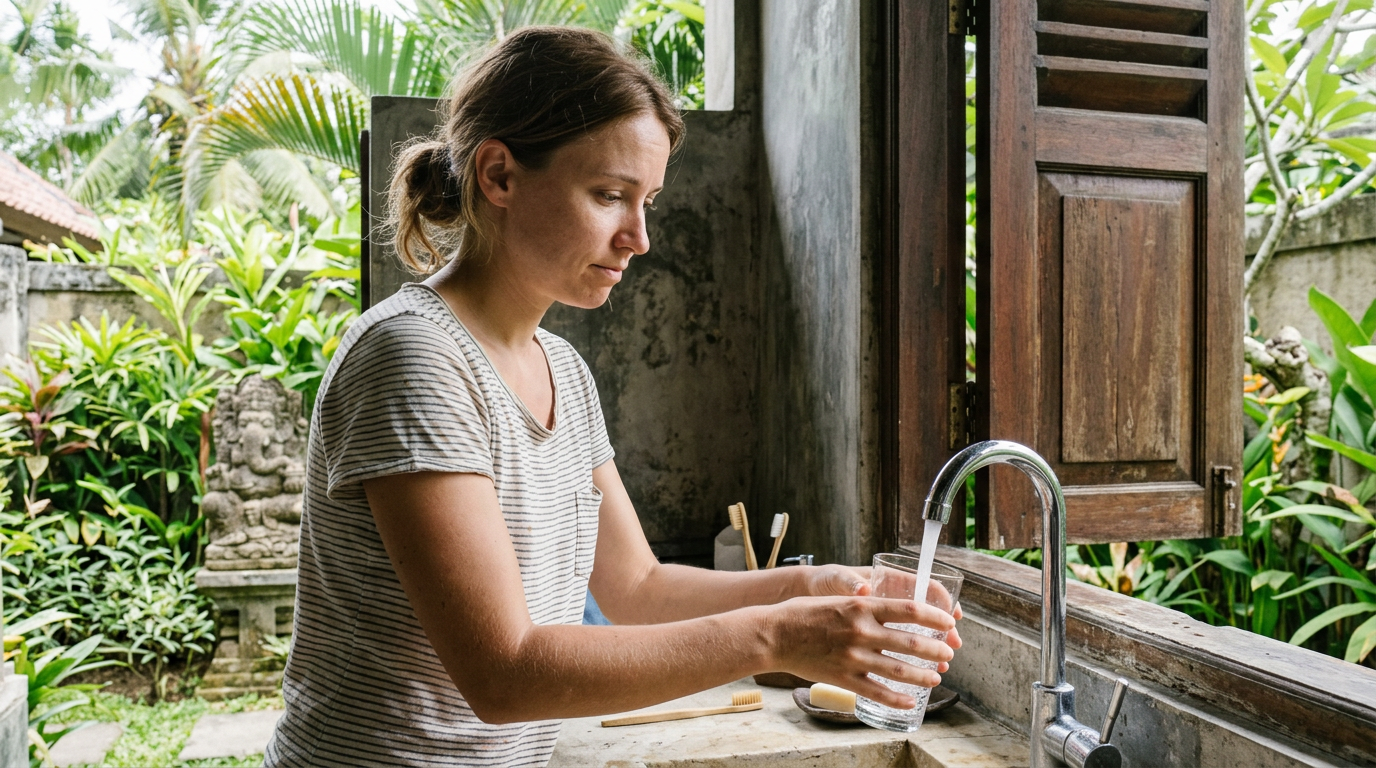
Can you drink tap water in Bali?
Planning a trip to Bali and wondering whether the tap water is safe to drink? This guide explains the risks, common practices at accommodations and eateries, and practical steps you can take to stay hydrated and healthy while on the island. Read on for clear advice on drinking, ice, bottled water and what to do if you accidentally consume untreated tap water.
Is it safe to drink tap water in Bali?
Short answer: no for most visitors. Tap water in Bali is not reliably safe to drink straight from the tap because water quality and distribution systems vary widely across the island.
Why Bali tap water is unreliable
Water supply comes from a mix of surface rivers, springs and groundwater wells. Many supply lines run through aging pipes and open storage tanks that can introduce bacteria and other contaminants. Heavy rains and agricultural runoff further increase turbidity and microbial load in surface sources, so water that leaves a treatment plant can still be compromised before it reaches your accommodation.
How water is treated locally
Some municipal providers apply basic chlorination, but treatment standards are inconsistent between regions. Tourist areas in the south often have better infrastructure but still rely on stored tank water at the last mile. Many hotels and villas supplement with bottled water or use point-of-use systems such as reverse osmosis and UV (ultraviolet) sterilizers. Small guesthouses and remote homes commonly rely on boiled water, basic filters, or commercially sealed bottled water.
When it might be safe to drink
Drinking tap water is only advisable if you confirm that it has been treated by a reliable filtration and disinfection system on site or if it is commercially sealed bottled water. Boiling for at least one minute will reliably kill pathogens for drinking. Certified portable filters combined with UV (ultraviolet) treatment provide an alternative for travelers who prefer reusable bottles.
In practice, the safest approach is to avoid drinking untreated tap water. Use boiled, treated, or sealed bottled water for drinking and cooking to reduce the risk of gastrointestinal illness while you enjoy the island. With that in mind, let’s look at what to expect from hotels and other accommodations.
Can I drink tap water in Bali hotels?
Most hotels in Bali advise guests not to drink tap water unless the property explicitly states otherwise. Water quality varies by neighbourhood and by building, so a hotel policy is often your best immediate guide.
Read the following points to understand common scenarios and simple checks you can do at check-in.
- High-end hotels and villas often treat water on site. Many upscale properties use reverse osmosis or UV (ultraviolet) systems and keep a separate treated supply for drinking, but you should confirm this at reception before using tap water.
- Stored rooftop tanks are a common risk. Even when treated at source, water can become contaminated in dirty storage tanks or through old pipes downstream from treatment points.
- Complimentary bottled water is usually provided. Most hotels supply sealed bottled water in rooms or on arrival for guests to drink and to make coffee or tea safely.
- Ask about ice and beverage preparation. Hotels that serve drinks will often state whether ice is made from treated water or from sealed sources, so check before ordering cold drinks.
- Smaller guesthouses may not have treatment systems. Budget properties and homestays are less likely to treat their water, so stick to bottled or boiled water when staying in those places.
If in doubt, use bottled or boiled water for drinking and for brushing your teeth until you have confirmation from staff. When booking accommodations, many listings will state their water policy and provide bottled water on arrival so you can plan ahead. Next, here’s what to know about ice in drinks.
Are ice cubes made from Bali tap water?
Many ice cubes in Bali come from a mix of sources, so the short answer is maybe. In established hotels and higher-end restaurants, ice is often produced on site using filtered or reverse osmosis water and commercial ice makers that are cleaned regularly. Supermarkets and larger food suppliers also sell sealed bagged ice made from treated water, which is a safer choice. At small warungs, street vendors and some budget bars, ice is more likely to be made from tap water that has not been reliably treated before freezing. Because pathogens survive freezing, any contamination present in the source water can remain in the ice and end up in your drink.
A few practical checks will help you decide quickly: ask the server or bartender whether the ice is from sealed bags or from an in-house filtration system; look for clear hard cubes which often indicate filtered water and proper freezing techniques, while cloudy or spongy ice can signal poor quality water or dirty trays. When in doubt, avoid ice in drinks you will swallow and choose bottled drinks or hot beverages instead. For peace of mind, bring a reusable water bottle with a built-in filter or use a UV (ultraviolet) pen to treat ice that you plan to melt. Overall, most tourist-oriented venues provide safe ice, but street-level vendors sometimes do not, so a cautious approach will reduce the chance of a stomach upset and let you enjoy Bali without interruption.
Which bottled water is safe to drink in bali?
The safest option is commercially sealed bottled water bought from reputable shops, hotels, or supermarkets. Sealed bottles that show an undamaged cap, a clear label and a printed bottling date are the simplest reliable indicator that the water has not been tampered with after treatment.
How to verify a sealed bottle
Check that the plastic seal under the cap is intact and that the cap itself is not loose. Read the label for a production or expiry date and for a listed source or treatment method such as purified or reverse osmosis. Avoid bottles with cloudy or discoloured liquid and do not accept open or unlabelled containers from street vendors.
Refill stations and large containers
Many accommodations use 19 litre refill jugs or on-site dispensers. These can be safe when managed by a known supplier and when the jug shows a tamper-evident seal from the distributor. If the supplier is unknown or the dispenser looks unclean, favour individual sealed bottles instead. When using larger containers, ask staff how often jugs are replaced and whether the dispenser is cleaned regularly.
Practical alternatives for confident drinking
If you prefer to reduce plastic, carry a portable filter bottle or a UV (ultraviolet) travel purifier. Boiling tap water for one minute is also effective if you have a kitchen available. For immediate needs, choose sealed bottled water and reserve filtered or boiled water for refilling your personal container.
Ultimately, choose bottles that are commercially sealed, clearly labelled and sold by trusted vendors. When staying with an accommodation, confirm their water policy and request sealed bottles on arrival to avoid uncertainty and enjoy your stay without health concerns. If you’d like help finding villas that clearly state water provisions and include bottled water on arrival, consider browsing listings at https://www.balivillahub.com/en for straightforward information on each property’s amenities.
What to do if I drank tap water in Bali?
If you realise you drank tap water, remain calm and assess the situation. Note how much and where the water came from and whether you have any symptoms such as nausea, abdominal cramps, diarrhoea, vomiting or fever. Early simple steps can prevent dehydration and reduce discomfort.
Immediate steps to take
Stop drinking more untreated water and switch to sealed bottled water or boiled water if available. Sip small amounts frequently rather than large gulps to reduce the chance of vomiting and to maintain hydration.
Monitor your condition closely. Seek medical help right away if you experience severe abdominal pain, persistent vomiting, inability to keep fluids down, high fever, blood in the stool, or signs of dehydration such as dizziness, dry mouth or low urine output.
- Rehydrate with oral rehydration salts — use a ready-made sachet or mix a simple homemade solution with clean water, sugar and salt to replace lost fluids and electrolytes.
- Visit a pharmacy or clinic — pharmacists can supply anti-diarrhoeal advice, oral rehydration products and recommend a clinic. If symptoms worsen, go to the nearest hospital for assessment and IV (intravenous) fluids if needed.
- Keep a record of what you drank — note the time, location and any other foods or drinks consumed that day; this information helps clinicians or local authorities trace potential contamination sources.
- Contact your accommodation for support — ask staff to provide sealed water, arrange transport, or help locate a trusted clinic. If you are a guest of a villa, service providers can often assist with urgent needs.
Most cases resolve with rest, fluids and basic care. If you are unsure or feel significantly unwell, seek professional medical attention without delay to protect your health and enjoy the rest of your trip.