Is Bali a third world place?
Bali Villa Hub
2/25/2026
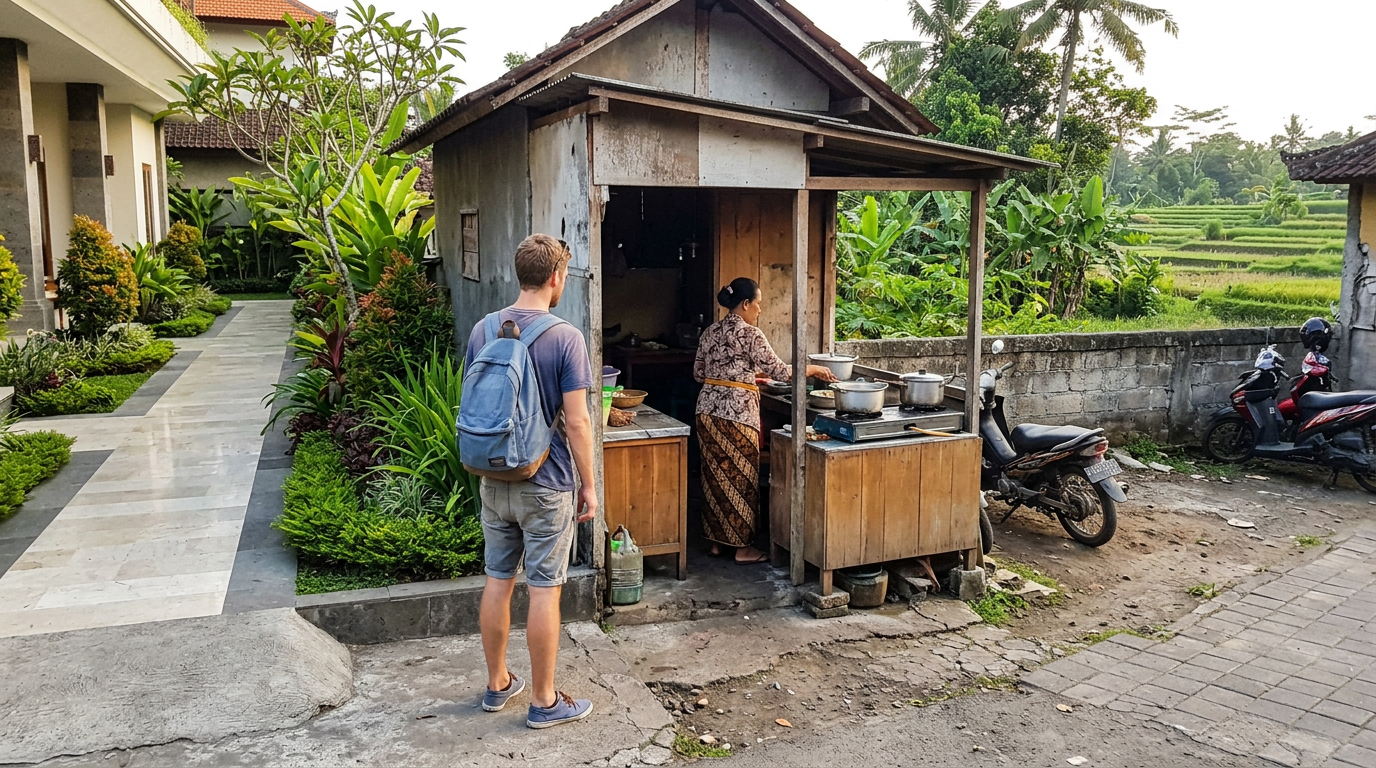
Is Bali a third world place?
Questions about whether Bali is "third world" surface often because visitors encounter contrasts: modern resorts and startup cafes alongside villages with limited services. Rather than a single label, understanding Bali requires looking at economic indicators, infrastructure, cultural dynamics and everyday experiences. This article clarifies what the term historically meant, examines Bali’s role in Indonesia’s economy by 2026, outlines ongoing infrastructure challenges, explores how tourism reshapes housing and services, and considers culture and community wellbeing as core measures of quality of life.
What third‑world really means in the modern era
The phrase third‑world carries baggage from a mid twentieth century geopolitical context that no longer fits global realities. Today the term is used informally to describe a set of development challenges rather than a fixed hierarchy of nations.
Understanding the modern meaning requires looking at measurable factors such as income levels, health outcomes, infrastructure and governance alongside lived experience in communities. That combination gives a clearer picture than a single label ever could.
- Historical origin and evolution The label began as a Cold War shorthand and evolved into a catchall for low income economies, but it fails to capture nuance about inequality and regional variation.
- Economic measures matter Metrics such as GDP (gross domestic product) per capita, employment structure and digital connectivity reveal strengths and weaknesses that a simple label obscures.
- Human development is broader than income Access to health, education and basic services often predicts quality of life better than headline economic numbers.
- Infrastructure and services vary greatly Some areas show modern hospitals, airports and broadband while nearby districts still lack reliable water, electricity or waste management.
- Perception and tourism shape narratives Visitors may judge a place by resort areas and tourist infrastructure which can mask underlying social and environmental pressures.
In practice, "third‑world" is an imprecise shorthand that can mislead policy and public opinion when used without context. A clearer assessment looks at data on wellbeing, resilience and local priorities rather than relying on outdated terminology. With that nuance in mind, it is useful to examine Bali’s specific economic trajectory.
Bali's place in Indonesia's economic progress by 2026
Bali has moved from being seen primarily as a holiday destination to an active contributor to Indonesia's post-pandemic economic recovery. By 2026 the island plays a visible role in national growth through tourism, creative industries and targeted infrastructure investment.
Economic contribution and sectoral shifts
Tourism remains the largest driver, but the island shows clearer signs of diversification. Hospitality and food services continue to generate substantial foreign exchange while digital startups, artisanal exports and specialty agriculture add year‑round revenue. Regional authorities report that the mix of services and small industry has helped stabilize employment outside peak seasons.
Infrastructure upgrades and improved connectivity
Upgrades to Ngurah Rai airport improved international capacity and regional flight links by 2025. New trunk roads and selected waste management projects reduced logistics costs for small producers and improved access to health services in rural districts. Public‑private partnerships expanded broadband and payment systems, supporting e‑commerce and remote work opportunities for local entrepreneurs.
Persistent gaps and the need for inclusive growth
Despite gains there are clear gaps in affordable housing, formal employment and environmental resilience. Many workers remain in informal roles with seasonal income patterns, and rising rental costs pressure local families. Climate‑related risks to coastal tourism and water security require coordinated investment in sustainable practices and social protection to ensure benefits are widely shared. Recognizing these gaps leads naturally into a closer look at infrastructure realities on the ground.
Ongoing development and infrastructure challenges
Bali faces a paradox where rapid investment and visible new projects coexist with everyday gaps in basic infrastructure. Roads, utilities and public services have expanded around tourist hubs while many peri‑urban and rural communities wait for consistent improvements. This uneven pattern creates bottlenecks that affect residents and visitors alike and complicate long‑term planning for resilience and equity.
Traffic congestion on main corridors remains a persistent problem during peak periods and contributes to unreliable journey times for goods and emergency services. Water supply systems struggle with seasonal shortages in several regencies and many households depend on wells and tanker deliveries. Wastewater treatment coverage is limited and solid waste volumes routinely increase twofold or more during high season, which stresses collection and disposal systems and risks contaminating coastal and groundwater resources.
Housing and land use present another pressure point. Short‑term rentals have converted long‑term housing stock in popular subdistricts and rental costs rose significantly in many neighborhoods, making affordability a real concern for local workers. Informal construction in flood‑prone zones and fragmented permitting processes create additional maintenance burdens for roads, drainage and power distribution. Electricity networks handle higher peaks from air conditioning and hospitality loads which occasionally leads to outages in outlying areas.
Addressing these challenges requires coordinated action across levels of government, private investors and community groups. Priorities include expanded wastewater treatment and waste reduction programs, greater investment in resilient water storage and distribution, and targeted public transport options that reduce private vehicle dependence. With strategic investments and local participation, Bali can move from reactive fixes to planned infrastructure that supports both livelihoods and a sustainable visitor economy. These infrastructure realities also shape how tourism affects everyday life, which we discuss next.
How tourism reshapes Bali's housing, services and environment
Tourism in Bali changes how land and services are used in very tangible ways that affect residents day to day. Demand for visitor accommodation drives conversion of family homes into short‑term rentals and the construction of new villas, pushing up land prices and making long‑term rentals scarce in neighborhoods such as Canggu, Seminyak and parts of Ubud. That shift forces many local workers to live farther from their jobs, increasing commuting times and traffic on already congested roads. Service sectors expand to meet visitor tastes so that cafes, boutique gyms and wellness studios proliferate along popular strips while traditional services for residents receive less investment. Utility systems face heavier peaks during high season when hotel occupancy and population surge increase water use, electricity demand and waste production. In many districts higher water extraction lowers groundwater levels and risks saltwater intrusion, raising costs for farmers and households who rely on wells. Solid waste generation commonly doubles in tourist hubs and limited collection and processing facilities lead to informal dumping and pollution that harms beaches and reef health. Coastal development without adequate setback and drainage contributes to erosion and flooding in low‑lying areas. On the positive side, tourism finances upgraded roads, airport capacity and digital connectivity and creates jobs in hospitality, transport and creative industries. The net effect depends on governance choices such as zoning enforcement, licensing of homestays, investment in wastewater treatment and policies that protect affordable housing for local families. Practical responses include targeted taxation of short‑term rentals to fund infrastructure, seasonal planning for utilities and community land trusts to secure housing for workers. Balancing visitor income with clear environmental safeguards and affordable housing measures is essential if Bali is to retain both its economic benefits and the local communities that sustain its culture and landscapes.
Culture, community wellbeing and everyday quality of life
Bali's strength lies in everyday practices that bind people to place and to each other. Culture is not an attraction separate from daily life but an organizing force that shapes social support networks, local governance and how residents manage change. Assessing quality of life means looking beyond visitor comforts to routines that sustain households and neighborhoods.
Living culture and community institutions
Traditional bodies such as the banjar and customary rituals coordinate irrigation, communal works and social ceremonies which reinforce mutual aid. These institutions provide informal childcare, conflict resolution and labor sharing for ceremonies and harvests. When preserved they act as safety nets that reduce isolation and maintain cultural transmission across generations.
Wellbeing services and everyday living conditions
Access to clean water, reliable waste management and affordable housing directly affects health and dignity. Many villages have local clinics and schools but gaps in service coverage mean travel and out‑of‑pocket costs for some families. Mental health and social stress increase where livelihoods are seasonal or housing displacement forces long commutes for workers.
Practical steps to strengthen community resilience
Policies that protect affordable housing create stability for workers while investing in decentralized sanitation and water storage improves public health. Supporting cooperative enterprises for crafts, agriculture and waste recycling retains income locally and reduces leakage of tourist dollars. Community‑led planning that combines adat knowledge with technical design yields solutions that fit both culture and modern needs.
For visitors and those considering longer stays, choosing accommodations and partners that respect local communities helps sustain culture and wellbeing; resources such as https://www.balivillahub.com/en can assist in finding options that support local economies without making exaggerated promises.
Quality of life in Bali depends on policies that value community systems as much as economic metrics. Practical interventions that bolster local institutions, expand services and secure housing will help ensure culture remains a living resource for wellbeing rather than a commodity traded for short‑term gains.