Is Bali belly worse in rainy season?
Bali Villa Hub
2/25/2026
Is Bali belly worse in rainy season?
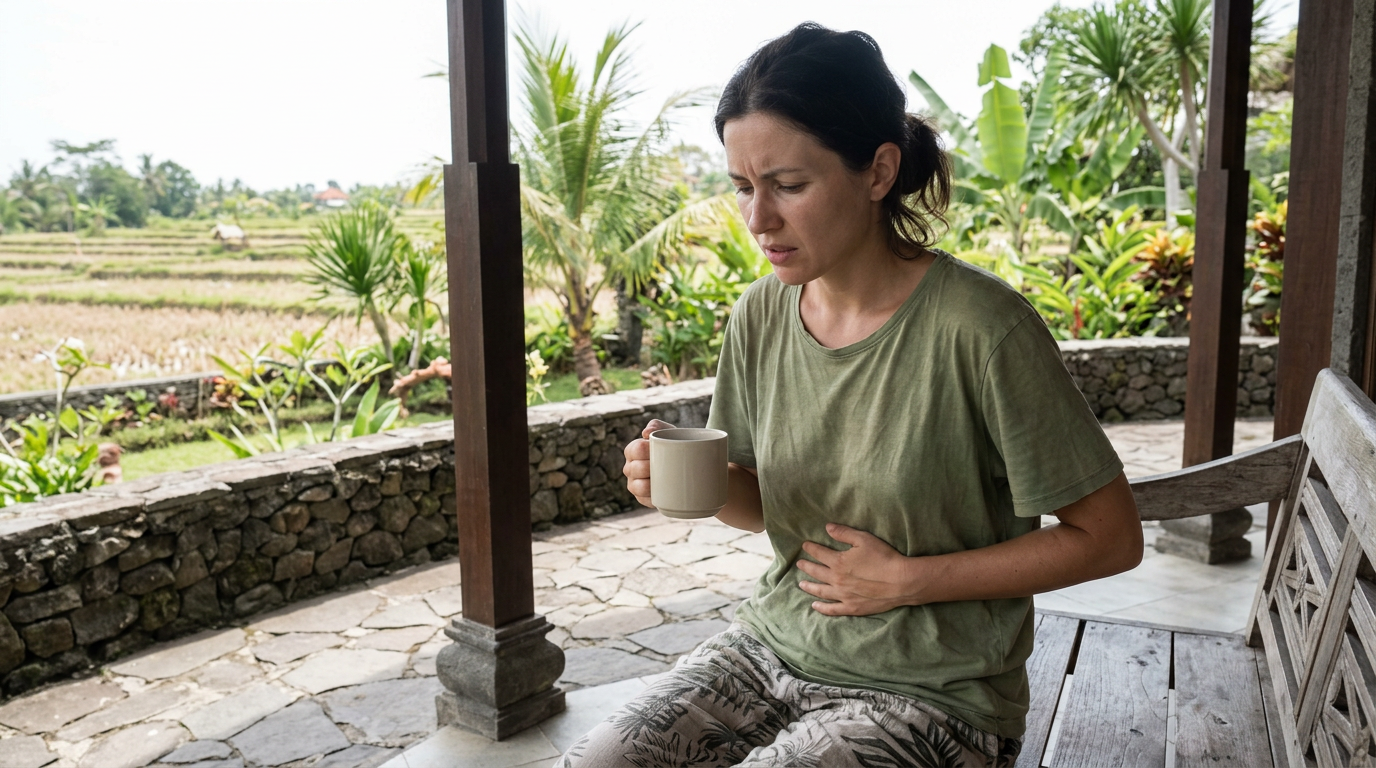
Many travellers wonder whether Bali belly becomes more common during the island’s wet months. This article explains what Bali belly is, why rainy days increase the risk, how the illness spreads, and practical steps to prevent and treat it so you can stay safe and enjoy your trip.
What is Bali Belly?
Bali belly is the local term for travel-related gastroenteritis that visitors commonly experience in Bali. It describes an acute upset stomach caused by ingesting contaminated food or water. Typical culprits include bacteria such as enterotoxigenic E. coli, Campylobacter, Salmonella and Shigella, with occasional viral agents like norovirus and parasites such as Giardia.
Symptoms usually begin suddenly and include loose watery stools, abdominal cramps, nausea and sometimes vomiting. Fever and bloody stool are less common but may occur with invasive bacterial infections. Incubation times vary by organism and can be as short as a few hours or up to several days. Most uncomplicated cases improve within two to five days with basic care and rehydration.
Risk is higher when eating from unregulated food stalls, drinking untreated tap water or consuming ice made from local water. Poor hand hygiene and improperly stored food increase exposure. Dehydration is the main complication to watch for; warning signs include greatly reduced urination, dizziness, persistent high fever, severe abdominal pain and bloody diarrhoea.
If symptoms are mild, focus on fluid and electrolyte replacement and rest. Seek prompt medical help if symptoms persist beyond 48 hours, if there is a high fever, visible blood in stool or signs of dehydration. Antibiotics are not always necessary and should only be taken on medical advice tailored to the specific diagnosis. Understanding the condition helps explain why it becomes more common after rainy days and points toward sensible precautions.
Why Does Bali Belly Happen More Often After Rainy Days?
Rainy days combine environmental and human factors that raise the chance of contracting Bali belly. Heavy downpours mobilise contaminants, disrupt normal food handling and accelerate microbial growth on produce and prepared meals. Altogether, these effects increase the likelihood of ingesting bacteria, viruses or parasites that cause gastroenteritis.
Flooding and water contamination
Surface runoff can wash faecal matter, animal waste and soil into drains, wells and shallow water sources. Overflowing septic systems and damaged distribution pipes may allow enteric pathogens to reach water used for drinking, washing and ice. Local water treatment can be overwhelmed during intense storms, making untreated water a common exposure point.
Food handling during and after storms
Vendors often continue serving food in wet weather but may lack access to clean water for washing ingredients or utensils. Covered stalls can trap humidity so cooked food sits longer at unsafe temperatures. Supply delays may force sellers to reuse water or rely on unsterile sources, increasing cross-contamination risk.
Humidity and faster microbial growth
Warm tropical temperatures combined with high humidity accelerate bacterial multiplication on perishable foods. Fruits, vegetables, salads and cooked proteins spoil more quickly when left moist, and insects attracted by damp conditions can spread contaminants from waste to food surfaces.
Recognising these mechanisms clarifies why extra caution after rain is sensible. The next section describes how these contaminated sources actually reach people, which guides practical prevention steps.
How Does Bali Belly Spread?
Bali belly spreads primarily by the faecal-oral route when pathogenic organisms gain access to food or drink that people consume. Contamination can occur at the source during heavy rain or later in the chain while food is prepared, stored or served. Understanding the typical pathways helps travellers and hosts reduce exposure.
Main Transmission Routes
Flooding and runoff can carry sewage and animal waste into wells, springs and municipal supplies, making water a frequent vehicle for bacteria, viruses and parasites. Street food vendors and small kitchens may use unclean water for washing ingredients or ice and may lack facilities for thorough handwashing, increasing the chance of cross-contamination.
Additionally, food left at ambient temperature in warm, humid conditions allows rapid bacterial growth and attracts flies that transfer microbes from waste to ready-to-eat dishes. Person-to-person spread also occurs when infected individuals handle food or shared utensils without washing hands properly.
- Contaminated water and iceDrinking untreated tap water, using local ice, or rinsing salads with unsafe water introduces organisms directly into the gut and is a common source of infection.
- Contaminated food and cross-contaminationRaw produce washed with dirty water, undercooked meat and reheated food kept for hours at room temperature can all harbour high numbers of bacteria.
- Person-to-person via hands and surfacesPoor hand hygiene after using the toilet or changing nappies spreads pathogens to food contact surfaces, utensils and other people.
- Vectors and environmental transferFlies, rodents and contaminated kitchen environments move microbes from sewage and waste into food preparation areas, especially after heavy rain.
Knowing these routes makes prevention practical and specific; the following section offers clear steps to reduce risk after rainy weather.
Prevention: How to Stay Safe After Rainy Days
After heavy rain, the risk of food and water contamination rises in predictable ways. With a few practical habits you can significantly reduce the chance of getting Bali belly while still enjoying local cuisine and experiences.
Focus on measures that block common transmission routes—contaminated water, cross-contamination and rapid spoilage in humid conditions. These steps are specific and easy to apply when you are out and about.
- Prefer hot, freshly cooked mealsChoose dishes cooked to steaming temperature and served immediately; heat kills most bacteria that would otherwise multiply quickly in damp ambient conditions.
- Avoid ice and untreated waterDo not drink tap water or use ice made from the local supply; use sealed bottled water or boiled water for drinking and brushing teeth.
- Skip raw salads and unpeeled fruitFresh produce rinsed with unsafe water is a common source of infection, so opt for fruit you can peel yourself or vegetables that are cooked.
- Insist on clean preparation practicesBuy from vendors who use gloves or tongs, have visible handwashing facilities and keep foods covered to reduce fly contact and cross-contamination.
- Carry hand sanitiser and oral rehydration suppliesUse alcohol-based sanitiser after public contact and keep oral rehydration salts or sachets to treat dehydration early if diarrhoea begins.
Apply these precautions for the first 48 hours after heavy rain when contamination risk is highest. If symptoms develop, seek medical advice promptly, especially for high fever, severe pain or persistent vomiting.
Simple vigilance and basic supplies go a long way in keeping your trip enjoyable and healthy during Bali’s wet season. If you need local information on vetted accommodation or support while recovering, consider visiting https://www.balivillahub.com/en for helpful listings and local resources.
Treatment: What to Do If You Get Bali Belly
If you develop Bali belly, start with rehydration and gentle rest. Use ORS (oral rehydration solution) to replace the salts and sugars lost through diarrhoea. A simple home mixture is one litre of safe water with six level teaspoons of sugar and half a teaspoon of salt, or use pharmacy ORS sachets if available. Sip fluids continuously and aim to drink at least two litres in the first 24 hours for an average adult; give smaller, frequent amounts to children to avoid overwhelming the stomach. When nausea eases, eat small portions of bland, starchy foods such as plain rice, bananas, boiled potatoes and toast. Avoid dairy, caffeine, alcohol, greasy and very spicy foods until stools return to normal. Over-the-counter anti-diarrhoeal medication may help adults with non-bloody diarrhoea, but avoid these if there is fever, severe abdominal pain or visible blood in the stool without consulting a clinician.
Seek medical care promptly if symptoms are severe or persistent. Warning signs include high fever above 38.5°C, continuous vomiting that prevents fluid intake, signs of dehydration such as dizziness or very little urine, bloody diarrhoea, severe abdominal pain or diarrhoea lasting more than 48 hours. Young children, older adults, pregnant people and those with chronic health conditions should be assessed sooner. A clinician can provide intravenous fluids for significant dehydration, prescribe targeted antibiotics only when a bacterial cause is likely and arrange stool testing if required. With timely rehydration, simple dietary changes and medical review when needed, most people recover within a few days and complications remain uncommon.