Are Bali Villas Pet-Friendly? What You Must Confirm
Bali Villa Hub
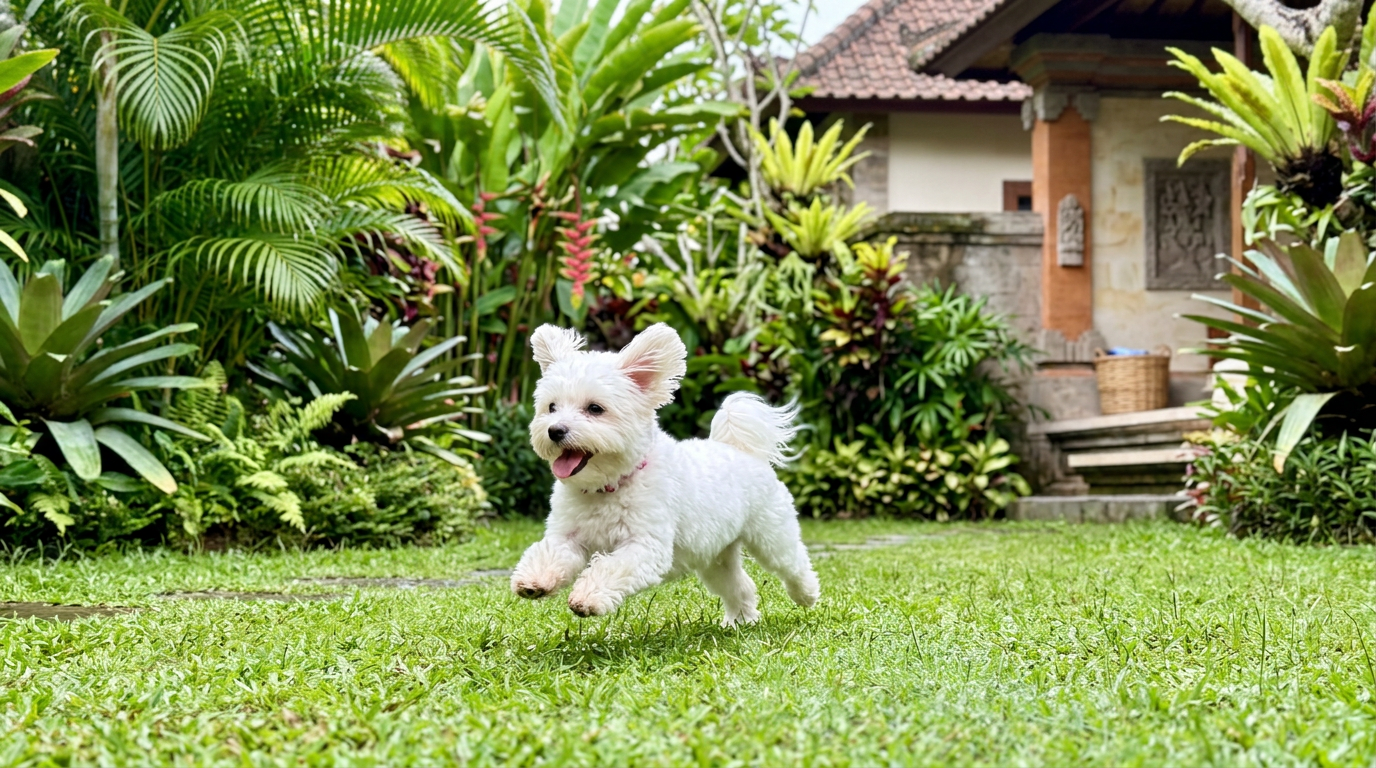
Imagine you are sitting on your couch at home, scrolling through Bali villa listings that say they are “pet-friendly,” and thinking the hardest part will be picking the best view. You find a place with a nice layout, you picture morning walks in the sunshine, and your pet is already part of the trip. Then it hits you that “pet-friendly” can mean two very different things, depending on where the rules apply.
That is the core idea of this article: there is the villa side and the Bali side. A villa can welcome pets as guests, but bringing a pet into Bali is governed by strict rabies-prevention requirements, not by the kindness of a listing headline. That is why the same booking label can still leave you with a stressful surprise later.
To keep things simple, we will decode what “pet-friendly” usually means in Bali villa listings, what features matter for day-to-day comfort (like outdoor space and secure setups), and how the Bali-specific logistics work at a high level, so you know what to ask before you reserve. We will also flag the most common mistakes that happen when people assume villa acceptance automatically equals easy pet import.
Once you understand what “pet-friendly” typically promises, the next step becomes clear: before you plan any logistics, you need to decode what that label means in real life, then move into the definition and the features that make a villa truly workable for your pet.
Want help finding a pet-friendly Bali villa that fits your pet’s routine? Bali Villa Hub can guide you toward the right listings.
Pet-friendly villa policy
If a Bali villa listing says it is pet-friendly, it usually means the property owner or manager allows pets as guests and will accept them under specific conditions. This is the promise that changes your booking decision, because you are not just visiting Bali, you are choosing a place where your pet is permitted to stay on-site. A common confusion is treating that label as a blanket guarantee for every pet and every situation.
What it doesn’t cover
Here’s the part that surprises many pet owners: a pet-friendly villa policy does not automatically mean you can bring your pet into Bali without paperwork and compliance. Bali has strict rabies-prevention requirements for pet entry, including microchip, vaccination, a rabies titer test, and an import permit, plus mandatory quarantine. In other words, the villa says “yes to staying,” while the government decides “yes to arriving.”
What “truly” pet-friendly looks like
Once the rules are separated, the next clue is the setup. A genuinely pet-friendly villa typically offers practical comfort cues like private outdoor access, secure or enclosed areas that help prevent escape, and a layout that makes daily routines easier. If you are choosing between similar listings, prioritize properties that feel designed for pets, not just properties that will tolerate them for a night. For how pet owners evaluate villa suitability and features, see Seven Stones Indonesia’s guidance on pet-friendly villas.
When you get both parts right, it becomes simple again: the villa works for your pet day to day, and the arrival process stays compliant. That’s why understanding the promise behind the label matters, and it also sets you up for the next step, where we talk about why pet-friendly villas matter so much to travelers.
Private gardens and outdoor access
When a villa has real private gardens and easy outdoor access, pets can move without you constantly reorganizing the day. It also keeps routines simple, like letting them stretch after breakfast. If the listing feels like “pets are allowed,” but the outside space is tiny or awkward, you will feel it fast.
This matters because daily comfort is built on repetition, and pets thrive when their routine stays predictable.
Enclosure and security for daily peace
Look for fencing or enclosed areas that help prevent escape. A secure setup does more than protect your pet, it reduces stress for you, especially when you step away for a shower or a quick dinner run. The idea is basically: the property setup supports pet safety without constant supervision.
That safety is what keeps your trip calm instead of turning into constant “please don’t run” moments.
Durable flooring and pet-friendly layout
A pet-friendly villa usually has a layout that works with how animals move and rest. Durable flooring and an open, workable flow make cleanup easier and keep outdoor-to-indoor transitions smooth. If the space is all fragile surfaces or cramped corners, even a “yes to pets” policy can feel inconvenient in real life.
Comfort here matters because small frictions add up over days, not just hours.
Nearby veterinary services for peace of mind
Finally, location can matter when it comes to nearby veterinary services. You do not plan for emergencies, but experienced pet owners plan for access, especially in a new environment. Proximity to vets can be part of what makes a villa truly pet-friendly.
That kind of backup support is what helps you enjoy Bali without hovering over every little worry.
With these features in place, the stay feels easier from day one, and that leads directly into why pet-friendly villas matter to travelers in the first place.
“Pet-friendly” stops being a marketing word the moment your pet can actually live like itself inside your stay, not just visit for a photo.
That “at-home” feeling matters because it reduces the emotional friction of travel. When your pet stays with you, you avoid constant pet-sitting, you keep routines steadier, and you spend less energy managing what happens when they are not with you.
It also explains why the pet-inclusive trend shows up more and more in Bali guides and listings. For a sense of that wider movement, see The Bali Bible’s roundup of pet-friendly stays, which reflects what many travelers now expect to find.
Now that you know why it matters, here’s the part that surprises many people: Bali’s import rules.
Ready to shortlist villas that support your pet’s outdoor access and routines? Bali Villa Hub helps you narrow down the options faster.
Why do Bali pet trips feel so stressful right when you think you already solved the villa part? Because you actually need to run two tracks at the same time: the villa’s pet rules and Bali’s entry rules for animals.
Experts call this separation the “two Balis” reality. Once you treat them as separate, you can plan calmly instead of hoping the listing label will cover the hard bits.
1. Booking the villa is step one
Start by confirming the pet details with the host before you pay. Ask for the exact pet policy in writing, including any limits on size or type, the number of pets allowed, and whether there are extra fees or deposits.
Then clarify day-to-day access. You want to know where your pet can be inside, where they can be outside, and whether the villa has outdoor access that supports routine comfort.
2. Bringing a pet to Bali is the hard part
Next comes the Bali entry requirements, and this is where most planning mistakes happen. Key elements tend to include a microchip, up-to-date vaccinations (including rabies), and a rabies titer test, plus an import permit.
Timing matters as much as paperwork. The veterinary health certificate has a validity window, pets are transported as cargo, and there is mandatory 14-day quarantine on arrival, so you cannot “figure it out later.” For the full requirements summary, see Bali Home Immo’s guide on bringing a pet to Bali.
This step is the make-or-break piece because compliance affects whether your pet can arrive at all. Once you know how the two-track workflow works, the next move is choosing a villa that truly fits your pet’s day-to-day needs.
1. Booking the villa is step one
Have you confirmed the pet rules in writing before you book? It’s the fastest way to avoid the “they didn’t mean it that way” problem later.
Ask the host for clear details: pet allowance, any size or breed limits, how many pets are accepted, and what extra fees or deposits apply. Then spell out where your pet can go, inside and outside, so there are no fuzzy boundaries when you arrive.
Next, get practical about daily life. Confirm outdoor access and waste disposal expectations, because that’s what shapes your routines on day one. Even small wording gaps can cause big friction, so keep your questions concrete and your answers explicit.
Once the villa part is locked in, remember this: even a “yes” from the property does not simplify Bali’s pet entry requirements, and Step 2 is where things get stricter.
Bringing a pet to Bali is the hard part
Picture this: you book a villa that sounds perfect for your dog, and everyone agrees your pet is welcome at the property. Then the travel planning hits a wall, because bringing a pet to Bali is not decided by the villa listing. It is decided by strict rabies-prevention rules.
In this case, your checklist quickly becomes very specific. You need a microchip, up-to-date rabies vaccination, and a rabies titer test, then you must arrange an import permit and make sure your veterinary health certificate is issued within the required timing window. This is the part that people often underestimate.
After paperwork is underway, logistics add another layer. Pets are transported as cargo, and on arrival they face mandatory 14-day quarantine, which can dramatically increase stress and delay if your timeline is off. If you miss something, the consequences can include major trip disruption, with risks such as denial and even pet confiscation.
That is why the “two tracks” mindset matters: villa acceptance is only step one, and compliance is the gatekeeper for arrival. Once you handle that legal piece, the next smart move is choosing a villa that actually supports your pet’s day-to-day life.
Choosing a “pet-friendly” villa can feel like a gamble, because listings rarely explain what life with your pet is actually like inside the space.
Here’s the checklist approach: look for comfort features (especially outdoor routines), match the practical setup to your pet, and ask questions that remove ambiguity before you commit. For a pet-focused property lens, see Seven Stones Indonesia’s pet-friendly villa guidance.
Will your pet have a fenced outdoor space
Ask about fenced or enclosed outdoor areas, because this directly impacts whether your pet can safely be outside without constant guarding. A garden sounds nice, but the real question is whether it is secure and practical for daily movement.
That’s the foundation of a calmer routine.
Is the flooring and layout easy to live with
Clarify what the indoor-outdoor flow feels like and whether the villa has durable flooring and a layout that supports cleanup. Pets create mess, and a good setup makes it manageable instead of stressful.
Comfort is not just for humans, it is also about reduced hassle.
Where exactly can the pet go in the villa
Get specifics on allowed areas, not vague “yes, pets are okay” wording. You want to know where your pet can be inside, where they can be outside, and how that works with the villa’s boundaries.
Clear boundaries prevent last-minute rule surprises.
Enclosure and security for daily peace
Look for fencing or enclosed areas that help prevent escape. A secure setup does more than protect your pet, it reduces stress for you, especially when you step away for a shower or a quick dinner run. The idea is basically: the property setup supports pet safety without constant supervision.
That safety is what keeps your trip calm instead of turning into constant “please don’t run” moments.
Are there pet fees, deposits, or limits
Confirm any extra fees or deposits, plus whether there are restrictions on pet type, size, or number of pets. This is where many bookings go off track, because “pet-friendly” can still be conditional.
Knowing the cost and limits upfront protects your expectations.
How close are veterinary services if something happens
Finally, consider whether the villa’s location gives you reasonable access to veterinary services. You hope nothing goes wrong, but being close to support is part of what makes a villa truly pet-friendly.
Peace of mind matters as much as the space.
As you compare villas, keep matching suitability to your pet’s needs, including escape risk and routine comfort, because that is what turns “pet-friendly” into a workable stay.
Even with the right villa, common mistakes can derail your trip, so next we’ll cover what to watch out for
Want to avoid surprises at check-in
Start with the basics: ask whether your pet is truly allowed and what the exact limits are. A good answer spells out size or type rules and doesn’t hide behind vague language.
Next, ask where your pet can go inside versus outside. That matters for safety and comfort, especially if the villa relies on fenced or enclosed areas to reduce escape risk.
Then confirm any fees, deposits, or added conditions. When you know the cost and boundaries up front, you avoid the kind of booking friction that can ruin the first day of your stay.
After that, clarify outdoor routines like waste and cleanup expectations. If you do not know how waste disposal works, you will end up improvising instead of relaxing with your pet.
Finally, ask about the agreement length. Long-term versus short-term rentals can change how flexible pet rules are, so get the exact duration clarified before you reserve.
Now that you have these questions lined up, you’re ready to book better, and next we’ll tackle the mistakes people make after they hit “reserve.”
Pet-friendly means I can import any pet easily
This one is the biggest trap: a villa can allow pets on-site, but Bali entry is controlled by rabies-prevention rules. So the villa “yes” does not automatically equal the government “yes.”
If paperwork is off, the trip can face denial risk and even pet confiscation, which is exactly why the villa label alone is not enough. For the full overview, see Bali Home Immo on bringing a pet to Bali.
All pet-friendly villas are the same
Some places simply tolerate pets, while others are set up for them with enclosed outdoor space and practical routines. Treating every “pet-friendly” listing like a clone usually leads to mismatched expectations.
When the fencing, layout, or rules are not right for your pet, the stay becomes stressful instead of relaxing.
Pets are welcome everywhere in Bali
Even when the vibe feels relaxed, pets are not welcome in sacred areas like temples, and public expectations matter. Pets need to be controlled in public spaces.
Ignoring that can lead to cultural missteps and avoidable problems during your trip.
Bali climate is automatically fine for every breed
Heat and humidity can be harder on some pets than people expect, especially if you assume tropical weather equals effortless comfort. Particular strain can occur for some dog types, so planning matters.
If you do not plan for shade, hydration, and routine, you can end up with a miserable pet and a disrupted schedule.
Relocation is just a flight plus a vet check
That shortcut thinking breaks down for Bali. Requirements tend to include a microchip, vaccinations including rabies, a rabies titer test, an import permit, a health certificate timing window, and mandatory 14-day quarantine.
Missing any part is where delays and serious outcomes start, not at the moment you arrive.
Long-term and short-term pet rules match
This is a subtle one, but it matters. Long-term and short-term rentals can differ in flexibility, which affects what you can realistically do with your pet and how strict the agreement feels.
Get the exact duration and terms before assuming you can “figure it out later.”
That’s why the “two Balis” idea matters
Villa pet-friendliness and Bali pet-import compliance are two different systems. If you plan them separately, you reduce stress and avoid the most common surprises.
Next, here’s how to make it smoother, using practical planning choices that reduce risk and keep your stay enjoyable.
These are the assumptions that feel reasonable until they collide with Bali reality. Each one can turn a smooth trip into a scramble, especially if you plan villa choice and pet travel as the same problem.
Easy import means villa rules are enough
Here’s the problem: a pet-friendly villa only tells you your pet can stay there. Importing into Bali is tightly regulated for rabies prevention, including requirements like a microchip, rabies vaccination, a rabies titer test, an import permit, and mandatory 14-day quarantine.
If you miss compliance, the trip can face denial or even confiscation risk, so don’t treat “pet-friendly” as a shortcut. For the full import breakdown, use Bali Home Immo’s guide.
All pet-friendly villas are equally prepared
That label can be misleading. Some villas are set up for pets with fenced outdoor space, while others are only “tolerant,” which affects safety and comfort.
The consequence is simple: you can end up booking the wrong setup for your pet and spending your stay managing preventable issues.
Pets are welcome everywhere in Bali
Most people don’t realize that “welcome” does not mean “everywhere.” Local expectations around control apply and sacred areas like temples are not suitable for pets.
When you ignore that, the result can be cultural missteps and practical problems during activities.
Warm weather automatically suits every dog
It feels like tropical means “easy mode,” but Bali’s heat and humidity can stress pets. Special strain can occur for certain types, like brachycephalic breeds, which means planning still matters.
If you assume the climate fixes everything, you can end up with a stressed pet and a disrupted schedule.
Relocation is just a flight plus a vet check
That shortcut thinking breaks down for Bali. Requirements tend to include a microchip, vaccinations including rabies, a rabies titer test, an import permit, a health certificate timing window, and mandatory 14-day quarantine.
Missing any part is where delays and serious outcomes start, not at the moment you arrive.
Long-term and short-term pet rules match
This is a subtle one, but it matters. Long-term and short-term rentals can differ in flexibility, which affects what you can realistically do with your pet and how strict the agreement feels.
Get the exact duration and terms before assuming you can “figure it out later.”
Planning only the villa is the real mistake
Once you separate the two systems, everything becomes more manageable. The “two Balis” insight is that villa acceptance is one track, and importing compliance is the other.
Next, here’s how to make it smoother by focusing on the actions that reduce stress after you reserve.
“Two tracks” is what turns a chaotic pet trip into a plan you can actually trust.
Pros when you plan both tracks
You reduce surprises by confirming the villa pet policy and Bali import requirements separately. That way, your pet’s daily comfort is handled by the property, while arrival compliance is handled by the rules for bringing pets to Bali.
You also get to choose better-fit villas for your pet’s real routine, which makes the stay feel calmer from day one.
Cons when you assume the villa takes care of everything
Booking a villa without thinking about import requirements can derail the whole timeline. Under-asking host questions can leave you with fuzzy answers about outdoor access, limits, or fees, and ignoring quarantine or timing can create delays and serious consequences.
In short, one skipped detail turns “pet-friendly” into an anxiety problem instead of a comfort win.
So start early, keep confirmations in writing, and treat villa selection and import compliance as separate checklists. Next, let’s wrap up with the final takeaway and a clear CTA you can act on right away.
Yes, many Bali villas are pet-friendly, but that does not automatically mean your pet can arrive easily. The villa “yes” only covers staying in the property. The Bali “yes” depends on strict import and rabies-prevention rules, which are separate from the accommodation policy.
So the real win is using a two tracks mindset. Confirm the villa’s pet policy first, then confirm the pet import requirements separately and well in advance, because compliance affects whether your pet can actually arrive.
Before you book, message the host for the exact pet limits and outdoor setup, then review the Bali pet import requirements from Bali Home Immo early enough to handle paperwork, timing, transport, and mandatory 14-day quarantine without panic. If you do those as two separate checklists, your Bali stay with your pet starts on solid ground.
Want a smoother booking checklist from the start? Bali Villa Hub can help you find pet-friendly options that match your needs, so you can plan the Bali side with confidence.