Are there many mosquitos in Bali?
Bali Villa Hub
2/2/2026
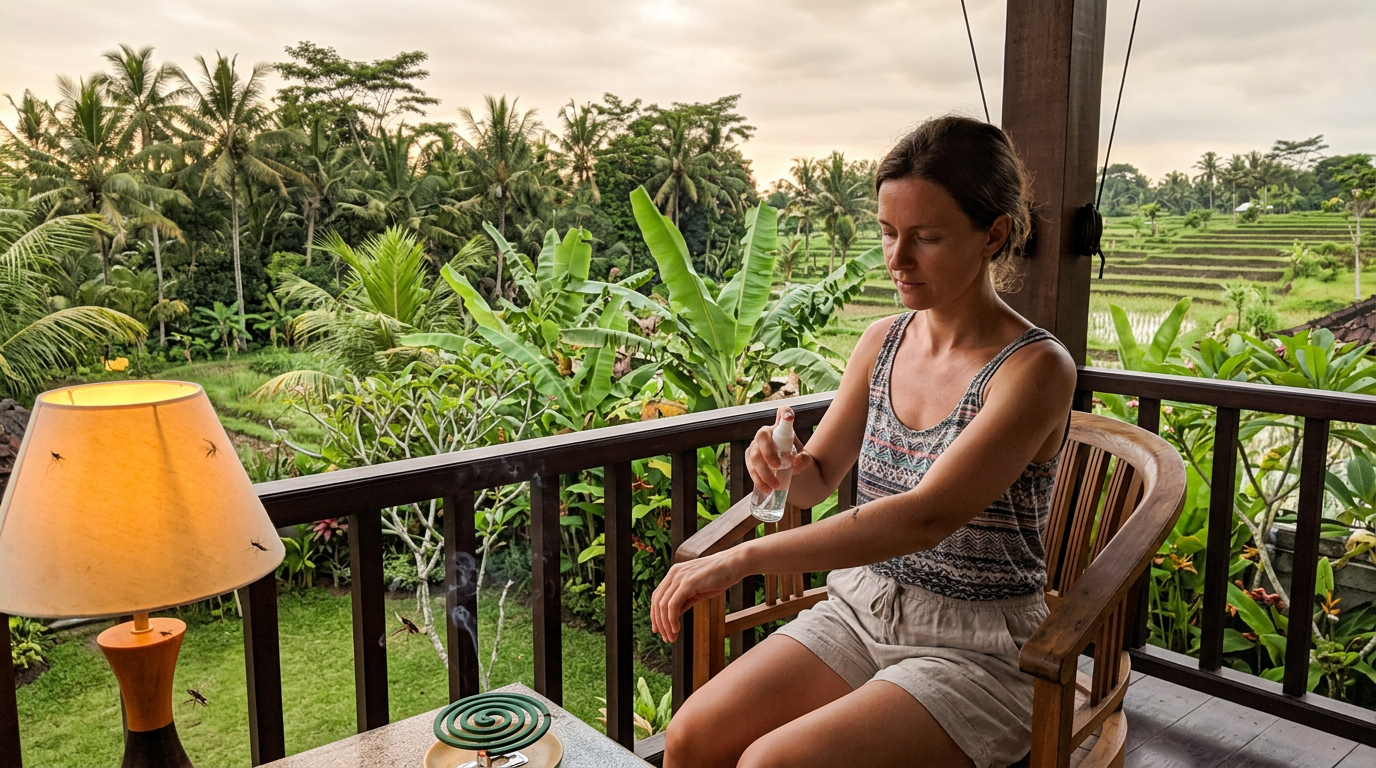
Are there many mosquitos in Bali?
Bali’s mosquitoes are a familiar part of the island environment, but their presence and the health risks they pose vary by place and season. This guide explains where and when mosquitoes are most common in Bali, which diseases they can carry, practical prevention measures and what to do if you are bitten. Read on to plan sensible precautions so your trip is more comfortable and lower risk.
How severe are mosquito problems across Bali
Mosquito presence in Bali is constant but variable. Nuisance levels tend to be low in well maintained, air conditioned resorts and moderately high in rice fields, wetlands and dense gardens. The most important public health issue linked to mosquitoes is dengue, which is endemic and causes seasonal spikes in cases across the island.
Severity changes with location and season. Lowland rice terraces, mangroves, slow moving streams and standing water around villages tend to host large numbers of mosquitoes. Urban pockets in Denpasar, Kuta and adjacent districts can also be problematic where drains and discarded containers collect water. Coastal resort compounds that maintain screens, mosquito nets and regular vector control report far fewer insects. Higher altitude areas above 700 meters typically have cooler temperatures and noticeably fewer mosquitoes.
Different species drive different risks. The day‑biting Aedes aegypti thrives in small, shaded containers and is the main dengue vector, so expect bites during daylight hours in built‑up and peri‑urban areas. Night‑active species that breed in larger water bodies increase nuisance at dusk and dawn near rivers and rice fields. Public health authorities in Bali monitor and respond to outbreaks, so periodic local warnings and intensified mosquito control work are common during the wet months of November through March.
In short, mosquito problems across Bali are not uniform. Your experience will depend on where you stay, how close you are to breeding habitats and the time of year. With reasonable precautions most travellers will avoid serious issues, but expect some biting insects during much of the year.
Seasonal patterns and when mosquitoes peak in Bali
Understanding seasonal rhythms helps you choose travel dates and plan simple precautions. Below are the main seasonal patterns to be aware of and how local microclimates modify risk.
Wet season peaks
The wet season runs roughly November through March and is when mosquito activity is highest. Frequent rain fills small containers and puddles that Aedes aegypti uses to breed, so daytime biting and dengue transmission rise. Most years reported dengue cases reach their highest monthly totals in January and February, making this period the highest risk for both nuisance and illness.
Dry season and lower mosquito activity
From April through October mosquito numbers generally drop as standing water diminishes and soils dry. Expect fewer daytime bites in urban and resort areas during July and August. That said, adult mosquitoes persist in shaded gardens and irrigated rice fields, so a complete absence of insects is uncommon even in the driest months.
Local differences and altitude effects
Microclimates matter. Coastal mangroves, rice paddies and poorly drained suburbs can host mosquitoes year round. Higher elevations above about 700 meters are noticeably cooler and show much lower mosquito abundance. Small actions by property managers — clearing drains, covering water containers and maintaining pools — strongly influence local mosquito levels regardless of season.
To summarize, peak mosquito activity coincides with the wet season (November through March) with the greatest dengue risk in January and February. Plan for more aggressive prevention during those months while maintaining basic protection year round.
Dengue hotspots and higher-risk areas to avoid in Bali
Dengue risk is uneven across the island. Certain environments consistently support Aedes aegypti and are associated with higher case numbers, so being aware of these places helps you reduce exposure. Steer clear of standing water, dense human activity and poorly drained areas, especially in the wet season.
- Urban neighborhoods in DenpasarOlder suburbs with mixed residential and small commercial plots often have clogged drains and container breeding sites, making daytime biting mosquitoes common.
- Kuta, Legian, Seminyak tourist stripHigh visitor density and many small businesses mean discarded containers and temporary water storage can be abundant, increasing local mosquito numbers.
- Rice paddies and irrigated fields around Ubud and TabananShallow irrigation channels and standing pools near plantations provide ideal habitats for immature stages, particularly after heavy rain.
- Construction sites and poorly maintained villasBuilding sites, unused swimming pools and uncovered water tanks are frequent breeding grounds when not properly managed.
- Local markets and flower cemeteriesWater stored for produce washing or floral offerings collects in containers and vases and supports mosquito development close to many people.
- Mangrove fringes and slow moving canalsBrackish and stagnant water edges with shaded vegetation keep adult mosquito populations stable through wet and dry months.
Avoiding these environments when possible will lower immediate bite risk, but mosquitoes persist in many settled locations so use repellent and protective clothing even outside named hotspots.
Do you need to pack mosquito repellent for a Bali trip
Yes — bringing mosquito repellent is a practical must for Bali. The island has daytime biting Aedes mosquitoes that spread dengue and other species that bite at dusk and night, so a reliable topical repellent reduces nuisance and disease risk.
Choose products with proven active ingredients. DEET (N,N-diethyl-meta-toluamide) at 20–30 percent or picaridin at 20 percent provide several hours of protection in tropical conditions; IR3535 (ethyl 3-(N-acetyl-N-butyl)aminopropionate) is another effective option. Apply evenly to exposed skin and reapply according to product instructions, especially after swimming or heavy sweating. For longer stays consider treating clothing and bed nets with permethrin or packing pre‑treated garments to reduce bites without repeated skin applications.
Repellents are available in Bali but potency and authenticity vary, so bringing a trusted supply from home avoids disappointment. Pack at least one spare bottle for delays or extended day trips. If travelling with infants or pregnant people consult a health professional for tailored advice. Complement topical repellent with long sleeves in peak biting times, screened windows or air conditioning, closed doors while sleeping, and bed nets in basic accommodation. During the wet season (November–March) take extra care as mosquito numbers rise.
Best mosquito repellents and protective measures for Bali
A layered approach gives the best protection: combine topical repellents, treated clothing and sensible environmental measures. Below are practical options and how to use them.
Topical repellents and how to use them
Select a repellent with an effective active ingredient (see DEET and IR3535 definitions above) and follow instructions for application and reapplication. Avoid applying to cuts or irritated skin and seek professional advice for infants and pregnant travellers.
Clothing treatment and physical barriers
Wear lightweight long sleeves and trousers in early morning and late afternoon when day‑biting mosquitoes are most active. Treat clothing and bed nets with permethrin or bring pre‑treated garments. Use screens, air conditioning or closed doors and windows at night, and choose accommodation with intact nets or screened verandas for sleeping.
Devices and habitat reduction
Indoor plug‑in vaporizers and outdoor coils can lower numbers around seating areas but do not replace skin protection. Reduce breeding near where you stay by avoiding open containers of water, asking hosts to cover tanks and clear clogged drains, and requesting regular site maintenance at villas. Construction sites and unused pools are frequent hotspots, so avoid lingering near them.
Combining an effective topical repellent, treated clothing and sensible habitat control gives the most reliable protection in Bali. Pack a trusted repellent, check accommodation for physical barriers and take small daily steps to keep mosquito encounters to a minimum. For villa options that prioritise good maintenance, screens and AC, consider browsing listings at https://www.balivillahub.com/en to find places that match your needs.
How to treat mosquito bites and when to seek medical care in Bali
Most mosquito bites can be managed at your villa or hotel with simple first aid: gently clean the area with soap and water, then apply a cool compress for 10–15 minutes to reduce swelling and itching. For persistent itch, an over‑the‑counter antihistamine such as cetirizine or loratadine can help, and a 1 percent hydrocortisone cream or calamine lotion applied sparingly may relieve symptoms. Avoid scratching to reduce the risk of skin infection. If a bite becomes increasingly red, warm, painful or develops pus, clean the area, keep it covered and seek a local clinic for assessment and possible oral antibiotics. If you experience an allergic reaction with rapid swelling of the face or throat, difficulty breathing or fainting, get emergency medical help immediately.
Seek medical care in Bali without delay if you develop a fever within two weeks of being bitten, especially if it is high or accompanied by severe headache, pain behind the eyes, intense muscle or joint pain, rash, bleeding from the gums or nose, persistent vomiting or severe abdominal pain. These can be signs of dengue, which requires prompt evaluation with blood tests and monitoring of platelet counts. Tell the clinician about recent travel and any time spent in rural or forested areas, as malaria remains possible in some remote Indonesian islands. Early presentation improves outcomes, so when in doubt consult a clinic or hospital rather than waiting it out at your accommodation.