Avoid these Bali areas for a safer, more respectful trip
Bali Villa Hub
3/22/2026
Avoid these Bali areas for a safer, more respectful trip
Planning a trip to Bali means balancing excitement with practical choices. While the island offers serene rice terraces, peaceful beaches, and vibrant nightlife, some areas can be noisy, crowded, or prone to petty crime. This guide highlights specific neighbourhoods and behaviours to watch for so you can make informed decisions and enjoy a smoother, more respectful visit.
Neighborhoods tourists should think twice about
Bali has spots tailored to quiet retreats and lively nights alike, but certain neighbourhoods require extra caution. Noise, congestion, petty crime and aggressive hawkers are common in a few hotspots and can turn a holiday into a hassle when you least expect it.
Below are specific areas that deserve attention and clear reasons why you might prefer an alternative for a calmer stay.
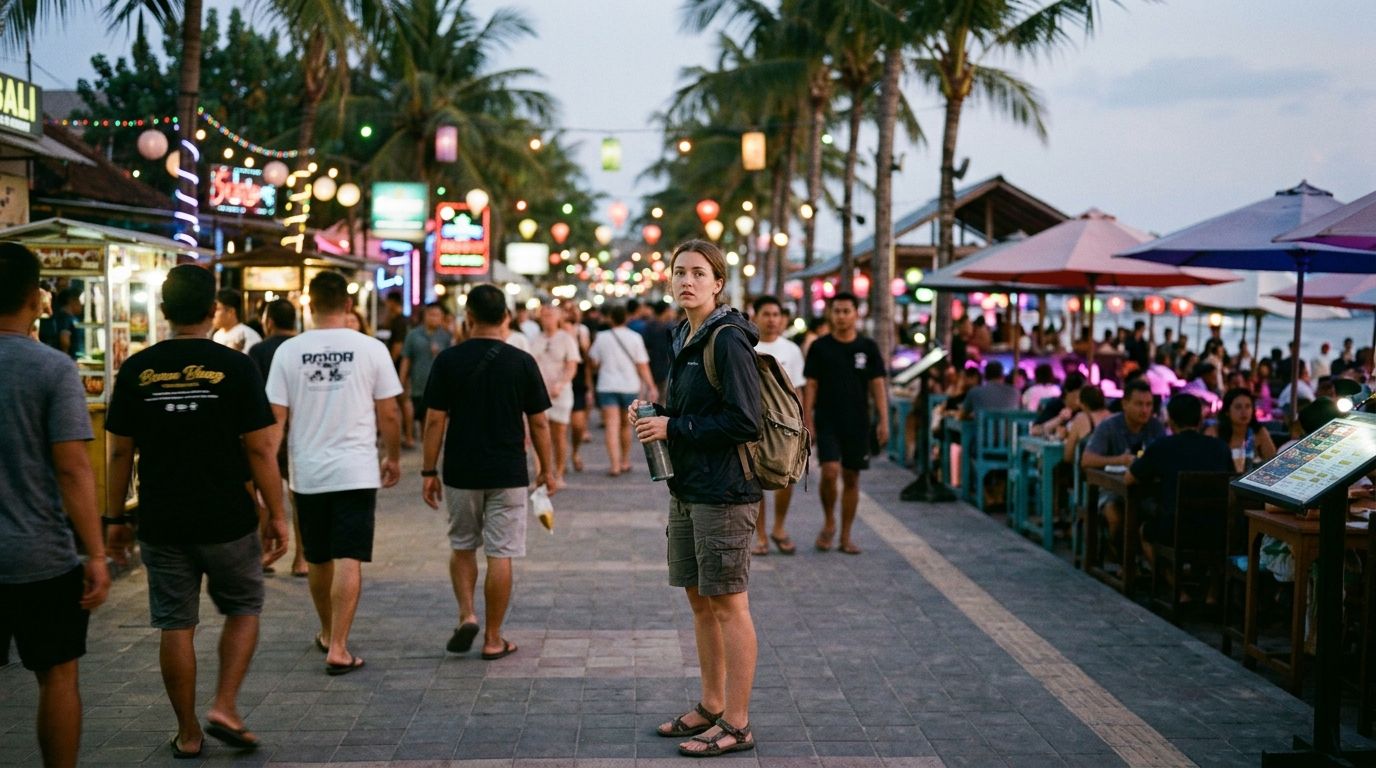
- Kuta central is a high-energy zone with nonstop nightlife and frequent traffic chaos. Expect loud streets late into the night and an elevated risk of pickpocketing; families and anyone seeking rest should avoid booking accommodation on the main strips.
- Legian and lower Seminyak pair upscale dining with tourist traps and heavy bar crowds, which can lead to overpriced services and rowdy scenes after midnight. Touts and persistent vendors are common near beach access points.
- Canggu main roads have experienced rapid development without matching congestion control, resulting in long traffic jams and slippery surfaces during the rainy season. If you plan to ride a motorbike, avoid the busiest junctions during peak hours.
- Uluwatu sunset spots attract huge crowds at dusk and often have limited safety barriers along cliffs. Foot traffic becomes chaotic and minor thefts rise during busy evenings—arriving early or choosing a guided visit can improve safety.
- Overexposed photo hotspots often mean long queues, aggressive photo sellers and staged scenes that feel commercial rather than cultural, diminishing the experience and inviting pressure to pay for photos.
Use these notes to match your priorities to the right neighbourhood and avoid surprises. Do basic checks on maps and recent reviews before booking, and opt for accommodations set back from the busiest streets to protect both sleep and safety.
To see how these issues play out on the ground, the next section examines Kuta as a clear example of the trade-offs found in popular tourist hubs.
Why Kuta can be a poor choice for many visitors
Kuta is one of Bali's most famous areas and draws a constant stream of visitors seeking nightlife and surf. That popularity brings visible trade-offs for travellers who want calm, authentic culture or family-friendly conditions.
Overcrowding and noise
Main streets and beachfronts fill quickly with day trippers and partygoers, which means crowded cafes, long waits and limited personal space. If your priority is quiet mornings and restful nights, Kuta rarely delivers that experience—especially on weekends and during holiday seasons.
Safety and petty crime
Small thefts and opportunistic scams occur more often where crowds gather and visitors are distracted. Tactics range from overcharging at street stalls to bag lifting in busy areas, so always secure valuables and be wary of offers that seem too persistent or too good to be true.
Traffic congestion and beach quality
Roads around Kuta often slow to a crawl during peak hours, and rainy days make scooter rides slippery and stressful. Some stretches of the main beach can suffer from pollution and heavy surf on certain days, reducing their appeal for casual swimming with young children.
For travellers who value calm streets, green spaces and more considered hospitality, consider quieter coastal towns or inland villages focused on relaxation and cultural immersion. Booking accommodation set back from the busiest strips helps preserve sleep quality and reduce daily stress.
Understanding local transport risks leads naturally to the next topic: riding motorbikes safely in Bali.
Risks when riding motorbikes and how to stay safe
Riding a motorbike in Bali is convenient but poses real hazards that many travellers underestimate. Narrow lanes, sudden potholes and uneven drains appear without warning, and local traffic mixes scooters, cars, bemos and trucks in ways that surprise newcomers. Night riding is particularly risky because many roads lack reliable lighting and animals or pedestrians can step into your path. Wet surfaces become slippery very quickly during tropical showers, and sand or gravel near construction sites reduces traction. To reduce risk, ride at a controlled speed, keep headlights on at all times, and avoid peak commute windows when junctions become chaotic. In built-up areas aim to stay under 40 kilometres per hour and on rural two-lane roads keep speeds below 60 kilometres per hour unless the surface is clearly smooth and visibility is excellent.
Before you set off, inspect the vehicle and test brakes, lights, horn and mirrors, and take photos of any pre-existing damage. Wear a certified helmet, closed shoes, long trousers and a lightweight jacket to protect against abrasion and sudden weather changes. Never ride after consuming alcohol and avoid carrying valuables in plain view so you do not attract opportunistic thieves at traffic stops. If you are involved in a collision, record the scene, collect contact details of witnesses and file a police report before seeking treatment so your insurance claim has a clear record. If you feel uncertain, consider a short guided lesson with a local instructor or use alternative transport for longer or unfamiliar journeys.
With those precautions in place, it's also helpful to be aware of common scams and petty crime that target distracted travellers.
Common scams petty crime and how to avoid them
Petty crime and simple scams tend to target moments when you are distracted or rushed. Most incidents are opportunistic rather than violent, but they can ruin a day and complicate travel logistics. Knowing the typical tricks and a handful of clear precautions will prevent most problems.
Expect taxi drivers to quote inflated fares or take a longer route when a meter is not used, and watch for unofficial drivers near airports and clubs. At ATMs (automated teller machines) avoid machines in dimly lit stalls as card skimming and hidden cameras have been used to capture details. In busy markets and on beaches, pickpocketing and scooter bag snatches occur when bags are left open or phones are used in the street. Other common approaches include fake officials who request immediate fines and aggressive vendors who pressure you to buy tours or souvenirs at inflated rates. Rental motorbikes can lead to disputes when owners claim new damage unless you document the vehicle condition at pick up.
Practical steps work best. Keep passports and extra cash locked in a hotel safe and carry only the money you need for the day, split between two secure pockets or a hidden pouch. Use ATMs inside bank branches and shield your PIN. Photograph credit card machines before inserting a card if you suspect tampering and enable bank alerts for all transactions. Insist on a written receipt and an agreed price before accepting services, and take timestamped photos of any rental vehicle before you leave. When someone approaches claiming to be an officer, ask to see identification and request a formal receipt for any fine.
If you fall victim to a scam, remain calm, gather evidence, get contact details of witnesses and report the incident to local authorities and your accommodation host. Filing an official report helps with insurance and helps prevent the same scam targeting others. With simple vigilance you can avoid most problems and enjoy Bali with confidence.
Respectful behaviour enhances everyone’s experience, so the final section covers local customs and quieter alternatives to crowded attractions.
Respectful behaviour and quieter alternatives to crowded attractions
When popular sites swell with visitors, the best experience often comes from modest behaviour and simple timing changes. Thoughtful actions preserve local customs and make quieter corners of Bali more enjoyable for both guests and residents.
Simple local customs to follow
Cover shoulders and knees when entering temples and community compounds, and use a sarong and sash when required. Never step over offerings placed on the ground and avoid touching statues or ceremonial objects. Keep voices low during rituals and ask permission before photographing people at ceremonies. If a local asks you to move or observe a boundary, comply politely and without argument.
Carry a small pack of tissues and a resealable bag for any waste you produce and dispose of it at your accommodation or a designated bin. Small gestures like returning plastic bottles to recycling points and refusing single-use plastic straws have a visible positive effect in villages that receive many visitors.
- Sidemen valley provides rice terraces and village walks with far fewer tourists than the main terraces—hire a local guide and arrive mid-morning to enjoy calm footpaths and authentic home visits.
- Sanur beach is ideal for gentle swimming and long walks at sunrise, keeping you away from afternoon crowds and noisy beachfront bars.
- Nusa Dua shoreline offers managed public beaches that are quieter during weekdays and are better suited to families who need safe swimming conditions and clear entry points.
- Jimbaran bay works well for an evening meal if you arrive before sunset to avoid the busiest hours and support small fishers who serve dinner on the sand.
Choosing quieter alternatives and observing local rules enhances every visit. Plan to go early, arrange local guides when appropriate, and keep noise and waste to a minimum so Bali stays welcoming and peaceful for future travellers. If you’re looking for calm, well-reviewed places to stay that align with these priorities, consider browsing options at https://www.balivillahub.com/en to find villas in quieter neighbourhoods with reliable local hosts.
With simple preparation, respect for local customs and a few safety habits, you can enjoy Bali’s beauty while minimizing stress and supporting the island’s communities.