Can a Private Pool in a Bali Villa Be Heated?
Bali Villa Hub
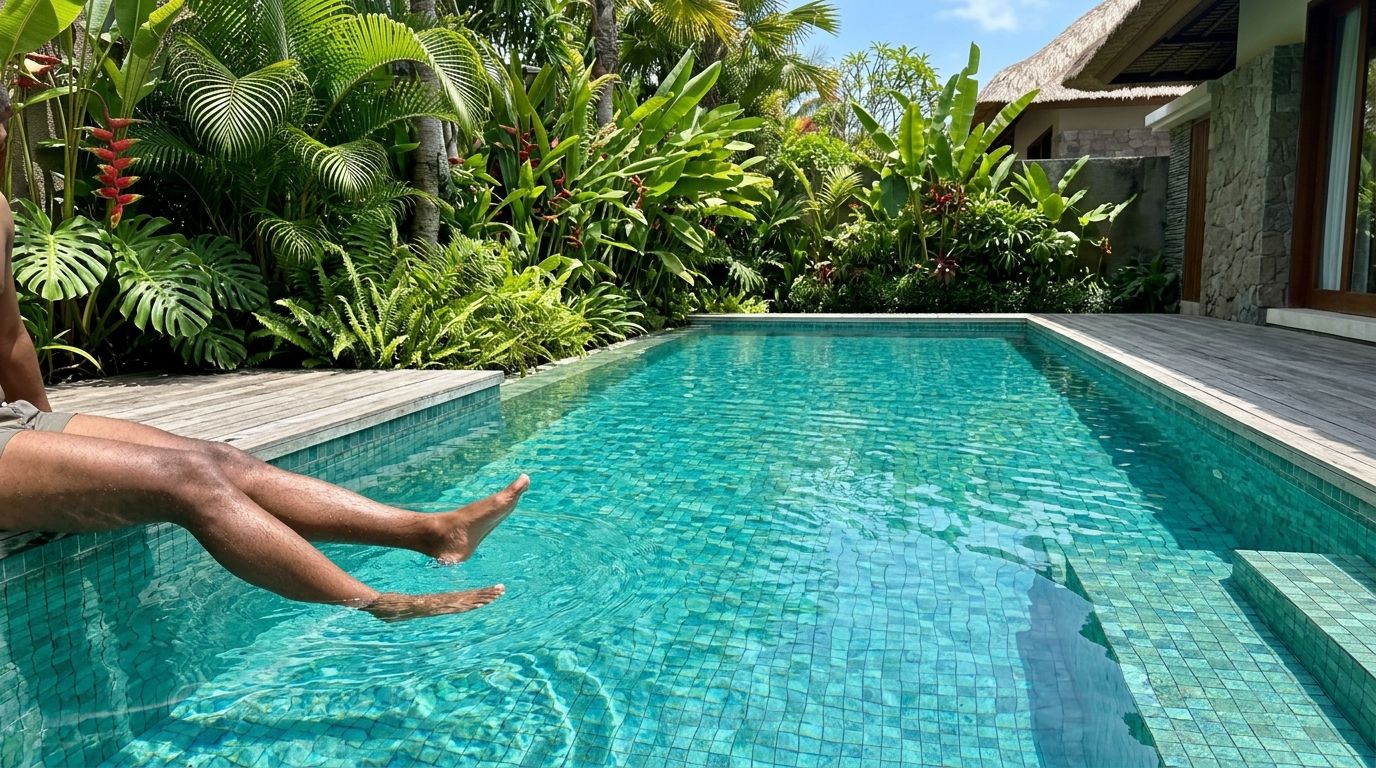
Imagine this: you book a Bali villa because you want an easy, private swim. Then you step into the pool first thing in the morning, and the water feels cool. Or you try again later, but when the sun is blocked by shade or the weather shifts, it never quite feels “inviting.”
So, can a heated private pool be part of your Bali villa stay? The answer is yes, but with an important catch: some villas have actively heated pools, while others only rely on natural warmth from the tropical sun. In listings, “heated” can also be used loosely, so you need to confirm what it actually means for that specific villa and when the heating is available.[1][3][7]
In the rest of this article, we’ll break down what “heated” really means in plain language, explain how pool heating typically works, then give you a practical checklist to verify it before you book. You’ll also learn the most common mistakes that lead to disappointment or surprise costs, and end with a simple next step so you can plan your pool time with confidence.
If you want help filtering villas by amenities like heated private pools, teams at Balivillahub.com can guide you toward the right match.
What a “heated private pool” actually is
The biggest misunderstanding about Bali villas is assuming every “warm pool” means the same thing as an actively heated pool. In reality, “heated” can mean equipment is raising the water temperature, while “warm” may just be the natural effect of Bali’s sun, plus when and how your pool gets it.[2][4]
Private pool
A private pool is the pool attached to (and basically reserved for) one villa’s guests. You don’t have random strangers using it, so you feel like it’s “yours” during your stay.[5][6]
This matters because when people ask, “Can it be heated?” they usually mean the comfort level of that specific, guest-only pool, not some shared resort setup.
Heated pool
A heated pool has a heating system that actively raises or maintains the water temperature. Instead of hoping the sun does the job, the villa can use equipment to bring the pool closer to a comfortable target.[1][3][7]
Here’s the nuance: “heated” is mostly about comfortable warmth, not turning the pool into a hot bath spa.
Warm-from-the-sun pool
A warm-from-the-sun pool relies on solar gain. The water temperature follows the environment, so it may feel great at peak sun and noticeably cooler when conditions change.[2][4]
If your pool sits in shade, gets less direct sun, or you’re hoping to swim early morning or late afternoon, “warm” can be more unpredictable than you expect.
Plunge pool
A plunge pool is typically smaller and shallower than a full-size pool. Smaller water volumes often respond faster to sunlight, so it can feel warmer at times.[2]
But small does not automatically mean “always warm.” Shade, wind, and whether there’s active heating still affect how it feels.
Pool heater
A pool heater is the equipment that supplies heat to the water. Conceptually, water circulates through the system, gets warmer, and returns to the pool.
When a villa truly offers heating, this is what you’re paying attention to, because it’s what makes the experience more consistent across the day.
Heat pump
A heat pump is a common kind of pool heating equipment that helps maintain warmth by transferring heat from the surrounding air to the pool water. It’s known for being a practical solution when you want steadier temperatures without relying entirely on sun.
If a villa advertises heating and wants to sound confident about consistency, a heat pump is the kind of system you’ll often be thinking of.
Key takeaway: “heated” usually means equipment actively raises temperature, while “warm” can vary based on sun exposure and shade. Once you know the difference, the rest gets much easier, because you can interpret what a villa listing is really promising.
Next, let’s look at how pool heating works day to day, so you can predict what you’ll feel when you actually jump in.
How heating works in Bali villa pools
“If it’s heated, you should be able to rely on the temperature, at least more than just the sun.”
Reliance on solar gain vs active heating
A pool warmed mainly by solar gain is at the mercy of the day. When the sun is strong, water feels pleasantly warm. When the sun is weaker, the pool can feel cooler surprisingly fast, especially if it’s partly shaded.[2][4]
With active heating, the villa can push the water temperature toward a comfort goal. Instead of “whatever the sun gives,” you get a more consistent feel, which is exactly what people want when they plan morning swims or evening dips.[1][3]
Heat pump vs “no heating”
A heat pump transfers heat from the surrounding air to the pool water, helping maintain steadier warmth. This is why heated pools tend to feel reliable across different times of day.
Meanwhile, a “no heating” pool still benefits from Bali’s climate, but the water temperature can drift. Your experience will be more variable, and that’s where guests sometimes feel misled by vague “warm pool” wording.[2]
Pool covers vs no cover
A pool cover helps reduce heat loss, especially from evaporation. That means the pool can hold onto warmth longer, so it’s easier for the water to stay at a comfortable level.
Without a cover, warmth escapes faster. Even if a pool is heated, the water may need more frequent heating to keep the same feel, which can affect how steady it is when you actually want to swim.
Location and shade vs sun exposure
Where the pool sits changes everything. Pools in brighter spots usually warm more, while shaded or wind-exposed layouts cool faster, mainly because the environment strips heat from the surface.[4]
That “feels” difference matters. Two pools can be at similar temperature, yet one feels better because the air, shade, and breeze influence evaporation and how quickly your skin cools after you dip in.
Now that you understand what heating aims to do, the next step is simple but crucial: confirm the pool is truly heated, not just “warm sometimes,” before you book.
Want a quick way to match your dates with the right amenity setup, including heated private pools? Consider reaching out to Balivillahub.com so you can book with confidence.
How to confirm a pool is truly heated
Messaging a villa and still wondering whether “heated” is actually working is the worst kind of uncertainty. You want to know what will happen when you step in, not just what the listing promises.
Check the listing wording
- Does it say heated or just “warm”
- Look for hints of a real system like a pool heater
- Confirm it’s a private pool, not a shared setup
This step helps you spot vague phrasing early. When a listing relies on sun warmth language, your morning or shaded swim may feel less comfortable than you planned.
Ask the right questions
- Is the heating active (and what type if they know)
- When is heating available (some may limit it in already warm months)
- Can staff adjust the water temperature for you
- What temperature range are they aiming for, for comfort
Asking these questions directly targets the biggest knowledge gaps: active heating, timing, and how they manage temperature day to day. It also sets up realistic expectations so you’re aiming for “pleasantly warm,” not unrealistic “always hot” water.
Clarify cost and availability
- Is heating included, or is it an extra charge
- Is there a daily time window when heating is on
- Do they turn it on before arrival or only after you request
This prevents the common surprise where heating exists, but not when you need it. If heating is optional, you’ll want to know the operating pattern so you can plan your swims around it.
Confirm temperature control behavior
- How does it work in practice once you’re there
- Will the pool stay consistent, or fluctuate with the day
- Does a pool cover get used to help maintain warmth
Even with a heater, temperature “feel” can change due to heat loss factors like evaporation and shade. Checking how they maintain warmth helps you understand whether the pool will feel reliably inviting when you use it.
Bottom line: heated pools aim for comfortable warmth, while unheated “warm” pools can vary. Align your expectations early, and then you’ll enjoy the swim you pictured.
Next up, let’s talk about what can go wrong, even when you try to be careful.
What to watch out for (common mistakes)
Most pool disappointments come from predictable misunderstandings. If you catch these early, you’ll avoid the “why is it not what I expected” moment.
Not all Bali private pools are heated
People often see “warm pool” in a villa description and assume it means an actively heated setup. The tempting part is simple, Bali is tropical, so it sounds like every pool should feel good.
Reality check: some pools rely only on solar gain and can cool if they’re shaded or used outside peak sun. The consequence is obvious disappointment when you plan a relaxing swim and the water feels cooler than you pictured.[2][4]
Heated doesn’t mean hot like a spa
Here’s the catch: “heated” sounds like “scalding hot.” It feels intuitive to expect spa-level warmth when a villa uses that word.
What’s more accurate is that heated pools are meant to provide pleasant comfort, not a dramatic temperature jump. If you want water that feels like a hot bath, you may end up uncomfortable because the goal is usually “warm,” not “hot.”
Heating is always included (it often isn’t)
That sounds logical, but it’s not always true. Guests assume the word “heated” means the heater is on whenever you want to swim.
In many cases, heating can be an extra charge or only available during certain times or periods. The consequence is a surprise cost or a pool that feels less heated at the exact moment you’re ready to swim.
Small plunge pools automatically stay warm
This one backfires when people think “smaller water” equals “always warmer water.” It can be warmer at times because it responds faster to sunlight.
Still, shade, wind, and whether heating is running all affect the feel. Without verification, you might choose a plunge pool expecting guaranteed comfort and get something cooler than expected.
Warmer water doesn’t matter for babies
If you’re traveling with infants, you might focus only on comfort and forget maintenance. Warmer pools can be more sensitive to how well water chemistry and hygiene are managed.
So while a heated pool can be nice for babies, you still want careful sanitization and consistent upkeep. The consequence is increased attention needed for cleanliness, since warmer conditions can make proper maintenance more critical.
“Warm climate” overrides shade and heat loss
Even in Bali, sun is not the same everywhere. A pool’s warmth changes with location, shade, and how quickly heat escapes from the water surface.
Evaporation and wind can cool the pool feel, especially when you want to swim in the morning or later in the day. The result is a pool that seems “not warm enough” compared to what you expected from the weather alone.
You don’t need to ask about temperature controls
Quick reality check: if you don’t ask, you often can’t know how heating is actually managed during your stay. Some villas may adjust temperature based on guest preference, while others may run it on a schedule.
Skipping this can lead to fluctuating comfort or a pool that only hits your preferred warmth briefly. Verification helps you get the “works” part and the “feels right” part.
Next, let’s wrap this up with the direct answer you came for, plus what you should do now to lock in the right expectations.
So, can you get a heated pool in Bali?
Yes, you can get a heated private pool in a Bali villa, but you’ll enjoy it most when you understand what “heated” really delivers.[1][3][7]
Pros of a heated private pool
A heated private pool usually feels more consistent when you want to swim in the morning or the evening. If you dislike cooler water, this is the kind of amenity that turns a “nice idea” into something you actually use every day.
It also helps when your pool isn’t in peak sun all day. Instead of relying only on weather and shade, the villa can actively support comfort.
The tradeoffs you should expect
Here’s the tradeoff: heated pools can involve extra energy and operating costs, so some villas charge extra or limit when the heating is available. “Heated” also typically means pleasantly warm, not “hot like a spa,” so your personal comfort level still matters.
Even with heating, design choices and conditions affect the feel, like sun exposure, wind, and heat loss from evaporation. That’s why two pools can both be “heated” but feel different.
Best-fit situations for families
If you’re traveling with babies or young children, a heated pool can make the experience easier because comfort is more predictable. It can also reduce the chances that you avoid the pool simply because the water seems too cool at first.
Just keep one practical point in mind: warmer water makes maintenance and hygiene extra important. Clear communication about how the pool is managed helps you feel confident about the quality, not just the temperature.
The bottom line is simple: “works” doesn’t always mean “feels right.” So verify the heating details upfront, align your expectations to comfortable warmth, and you’ll be in the best position to enjoy the pool the way you imagined.
Next, let’s make that verification effortless by turning it into the exact steps to do before you finalize your booking.
Make your booking “heated enough” for your needs
1. Confirm active heating and availability
Want the pool experience you pictured? Start by asking whether heating is actually on (not just “warm from the sun”), and when it’s available during your dates.
If they limit heating during already warm periods, you need to know now so you can plan morning or evening swims.
2. Clarify comfort temperature goals and controls
Next, ask what temperature they’re aiming for and how temperature adjustments work once you arrive. Heated pools usually target comfortable warmth, not “hot bath” heat.
This is how you avoid the “it works, but it doesn’t feel right” problem.
3. Ask about extra costs and operating windows
Then confirm whether heating is included or an extra charge. Also ask if it runs on a schedule, and whether staff can turn it on before you use the pool.
Knowing the cost and timing helps you set expectations and avoid surprises.
4. Plan pool time and maintenance expectations
Finally, ask how the pool is maintained, especially if you’re traveling with babies or young children. Warmer water makes hygiene and water quality management extra important.
Once you’ve got the answers, you can choose swim times with confidence.
CTA: Copy these questions and send them now to the villa or booking agent before you pay or confirm your booking: Is the pool heating active, what kind of system is it, when is it available, is there an extra charge, how do temperature adjustments work, and how do you maintain water quality. If you want to streamline this process, Balivillahub.com can help you check the details so your pool is heated enough for how you actually plan to swim.