Can I sue a hotel in Bali for having a camera in my room?
Bali Villa Hub
2/19/2026
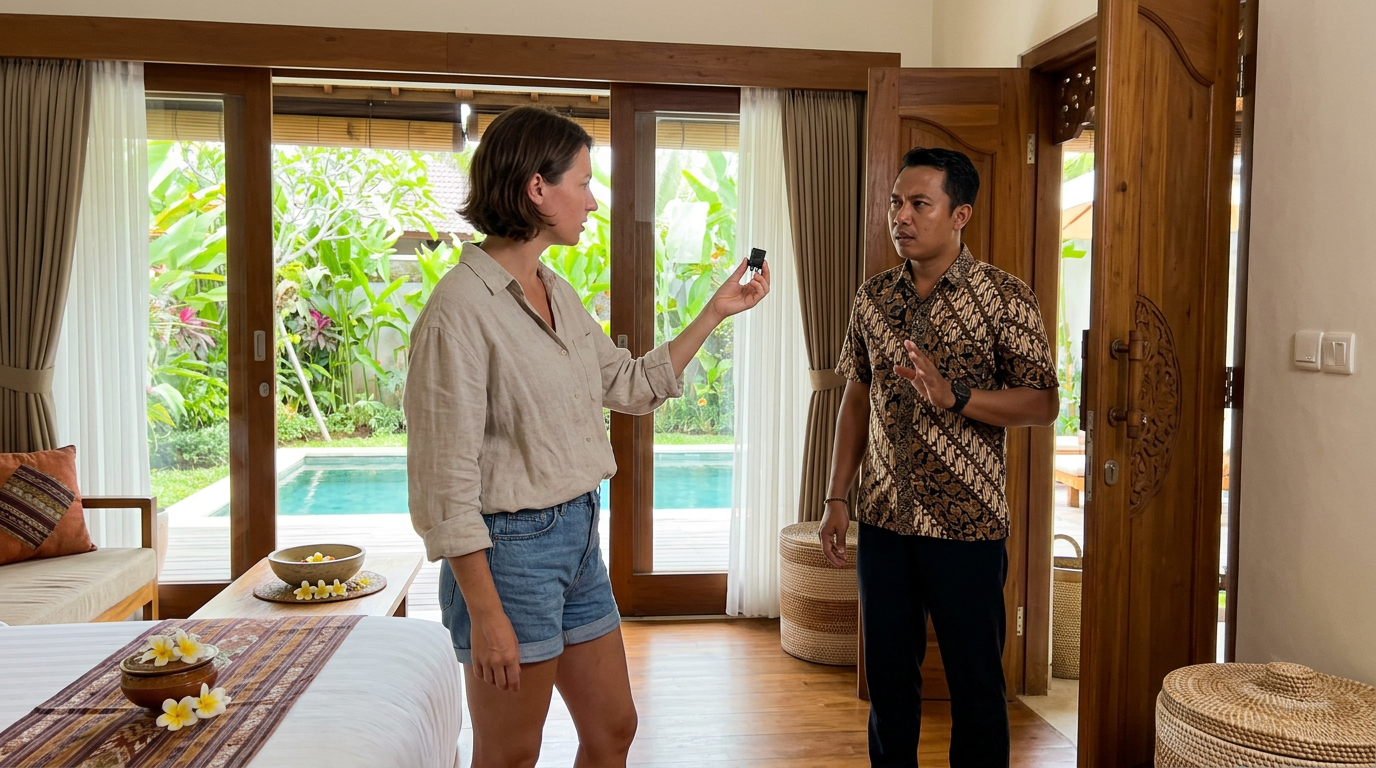
Can I sue a hotel in Bali for having a camera in my room?
Discovering a camera in your hotel room is alarming and raises immediate privacy, safety, and legal concerns. This article explains how Indonesian law treats in-room recording, what to do if you find a hidden camera, the civil and criminal routes available, how to gather and preserve evidence, and when to contact a lawyer. Read on for clear, practical steps to protect your rights while staying in Bali.
Are cameras allowed in hotel rooms under Indonesian law
Under Indonesian law, placing a camera in a private guest room without the occupant's clear consent is generally treated as a serious invasion of privacy. Electronic recording in private settings can trigger criminal liability under information and electronic transaction regulations and may also violate provisions that prohibit unlawful intrusion into another person's private life. Courts and authorities in Indonesia recognize that a hotel room is an inherently private space where guests have a reasonable expectation of privacy.
Security cameras are commonly permitted in public hotel areas such as lobbies, stairwells, and parking lots when their purpose is legitimate and guests are informed. By contrast, installing any recording device in sleeping areas, bathrooms, or other private parts of a booked room is unacceptable unless the guest has given explicit, documented consent. Consent must be affirmative and informed—for example, a clear written notice at booking or check-in that explains what is recorded, how it is used, and how long footage is retained.
If a hidden camera is discovered, the matter can give rise to both criminal proceedings and civil claims. Criminal charges might address illegal surveillance, unlawful distribution of intimate images, and related offenses and can lead to investigation, arrest, or prosecution. Civil remedies include claims for invasion of privacy, breach of contract, and damages for emotional harm. Local tourism regulators may also impose administrative sanctions on the property for failing to protect guest safety and privacy.
Travelers who suspect illegal recording should preserve evidence, document the finding, and report promptly to the police and to hotel management while avoiding tampering with the device. For tailored guidance on local procedures visitors may seek advice from a qualified Indonesian lawyer or consult trusted local resources such as BalivillaHub for practical next steps.
If you find a camera, act immediately; the following section explains the practical first steps to protect your privacy and the integrity of evidence.
What to do immediately if you find a hidden camera in your room
If you discover a concealed camera, stay calm and act deliberately. Your priority is to protect your privacy while preserving evidence for authorities and any later legal action.
Do not touch or move the device unless you are documenting it for evidence, since tampering can destroy forensic traces and complicate police investigations or civil claims.
- Step back and observe — Note the camera's location, the direction it faces, and any nearby power sources or network equipment.
- Take clear photographs — Photograph the device from several angles and include contextual shots showing its placement in the room and any labeling or serial numbers.
- Do not disconnect or destroy the device — Leave the camera intact so law enforcement can inspect it for ownership marks and data storage.
- Preserve other evidence — Keep the room as you found it and save records such as booking confirmations, receipts, and any messages with hotel staff.
- Report to police and hotel management — Contact the local police to make an official report and notify hotel management in writing, asking for a formal incident record and immediate remedy such as a room change or refund.
After these initial actions, request copies of any hotel incident reports and ask whether the property will retain the device and its footage. Obtain a police report number and written confirmation of any steps taken by the hotel. Next, you will need to understand the legal routes available, which the following section summarizes.
Civil claims and criminal charges you can pursue against a hotel or host
Finding a camera inside a private guest room can give rise to separate civil and criminal pathways. The precise claims available depend on the facts, but in Bali you commonly face both tort and criminal law responses when a host or hotel records guests without informed consent. Acting quickly to preserve evidence strengthens both types of cases.
Civil claims you can bring
Guests often pursue claims for invasion of privacy, breach of contract, and negligence. Invasion of privacy seeks compensation for the unauthorized intrusion itself and for emotional harm. A breach of contract claim arises when the property failed to deliver the privacy implied by the reservation and hotel policies. Negligence claims target failures to maintain a safe and private environment for paying guests.
Other civil avenues include claims under data protection principles for unlawful collection or retention of personal images and consumer protection rules when the property misrepresented its safety. Remedies from civil courts may include financial compensation, injunctive relief to prevent use or distribution of footage, and court orders to preserve or delete recordings.
Criminal charges the hotel or host may face
Criminal liability can be pursued under Indonesian law for unlawful electronic surveillance and for distributing intimate or private images without consent. Police can investigate, seize recording devices, and pursue prosecution, which may lead to fines or imprisonment depending on the offense and available evidence. Authorities may also bring charges related to voyeurism or other privacy-related crimes.
Administrative sanctions are also possible. Local tourism or licensing bodies may suspend operations, impose fines, or revoke permits if the property is found to risk guest safety and privacy.
Both civil litigation and criminal complaints are realistic options after discovering a hidden camera, but success turns on evidence and timely reporting. The next section explains how to document and secure that evidence.
Gathering evidence and what compensation you may recover
When you find an illicit recording device, the strength of your case rests on careful evidence gathering and prompt reporting. Preserve the scene and document everything with clear notes and dated media to support both criminal and civil claims.
Documenting the device and the scene
Photograph the device from multiple angles and include wide shots that show its location relative to the bed, bathroom, and power outlets. Record a short video stating the date, time, and what you found while keeping the device untouched. Note serial numbers, labels, and nearby electronics such as routers or chargers, and retain booking confirmations, receipts, and any correspondence with the property.
Securing digital evidence and witnesses
Report immediately to the local police and obtain an official report number before the hotel can alter or remove any material. Request that police seize the device and preserve any hotel CCTV (closed-circuit television) footage. Ask the hotel for a written incident report and collect witness names and statements from staff or other guests. Maintain original files and create verified copies with intact metadata to support chain of custody for forensic review.
Types of compensation you may recover
Civil remedies commonly include reimbursement of accommodation and relocation costs, medical and counseling expenses, and compensation for emotional distress and invasion of privacy. Courts may order injunctive relief to prevent distribution of footage and issue orders to preserve or destroy recordings. In some cases courts award damages for reputational loss, lost income, and legal costs, while regulators can impose fines or licensing sanctions on the property.
Outcomes depend on the quality of evidence, timely reporting, and legal strategy. Preserve everything, obtain a police report, and seek guidance from a qualified Indonesian lawyer. For local practical support while you remain in Bali, consider reaching out to https://www.balivillahub.com/en for assistance connecting with experienced practitioners and resources.
When to contact a lawyer and how to get a free case assessment
If you discover a hidden camera, contact a lawyer as soon as you have secured initial evidence and filed a police report because timing is critical to preserve footage and chain of custody; aim to consult an attorney within 48 hours of discovery for the best chance to have devices seized and data preserved. Reach out sooner if the recording is intimate in nature, shows you in a state of undress, or there is reason to believe images have been shared online, because those facts increase criminal exposure and may require immediate injunctive relief.
A lawyer can advise whether to request an immediate court order to preserve or remove material, how to avoid altering evidence, and how to coordinate with investigators. For a free case assessment, prepare a concise packet including clear photographs of the device, date- and time-stamped notes, the police report number, booking confirmation, receipts, messages with hotel staff, and the names of any witnesses; send these materials to the lawyer before the first meeting so they can give a focused initial view of your options. Many competent Indonesian lawyers offer a no-charge preliminary review by phone or email and will tell you whether you have viable criminal complaints, civil claims, or administrative complaints against licensing authorities and what urgent steps to take next. Ask during the assessment about their experience handling privacy and voyeurism matters in Bali, fee arrangements, whether they work with local forensic experts, and an expected timeline.
Act promptly to document the scene, obtain a police report, and get a free legal assessment to protect your rights and preserve options for criminal and civil remedies. If you need local, practical assistance to coordinate evidence gathering or legal introductions while in Bali, visit https://www.balivillahub.com/en to connect with trusted resources and experienced practitioners.