Evaluating the Risks of Staying in an Airbnb in Bali
Bali Villa Hub
2/24/2026
Evaluating the Risks of Staying in an Airbnb in Bali
Bali remains a sought-after destination for its landscapes, culture, and hospitality, yet visitors often ask whether staying in an Airbnb carries extra risk compared with traditional hotels. This article walks through the island's safety landscape, how crime data translates into practical precautions, the most common scams and how to avoid them, and how Airbnb and hotels compare on safety so you can make an informed choice.
Assessing visitor safety in Bali
Understanding safety in Bali means looking beyond headlines to practical, on-the-ground information. The island generally records low levels of violent crime in tourist areas, but predictable risks—mostly property-related—do occur and are best managed with clear precautions.
Crime patterns and tourist areas
Most incidents involve petty theft such as bag snatching, scooter theft and credit card skimming in busy markets, beaches and nightlife districts. Keep important documents secured in a locked safe at your accommodation and carry only the cash and cards you need for a day outing.
When possible use hotel safes for passports and extra cash and be cautious with ATMs (automated teller machine) at night. Avoid openly displaying expensive electronics and split valuables between members of your group to reduce risk.
Health services and emergency response
Major towns have private clinics and hospitals able to treat a range of conditions while more remote areas have limited services. Purchase comprehensive travel insurance that covers medical evacuation and keep a list of nearby clinics before you arrive.
Protect against mosquito-borne illness by using repellent and covering up at dawn and dusk, and stay current with routine vaccines by consulting your healthcare provider ahead of travel.
Road safety and natural hazards
Scooter accidents are the most common cause of serious injury for visitors, so only ride if you have experience and always wear a certified helmet. Avoid night driving on narrow rural roads and never combine alcohol with driving.
At beaches respect flag warnings and ask locals about currents before entering the water. During the rainy season be mindful of heavy downpours that can trigger flash floods and make some mountain routes hazardous.
With sensible precautions and local awareness Bali is a safe and rewarding destination. Rely on your accommodation staff for up-to-date local advice and plan your activities with realistic assessments of risk. Next, we look at crime data and what it means for travelers so you can apply those assessments practically.
Bali crime data and what it means for travelers
Available crime data and tourism reports point to a clear pattern: violent crime against visitors is uncommon while property-related incidents are the most frequent concern in tourist districts. These incidents concentrate in busy hubs during high season and around nightlife areas.
- Petty theft and pickpocketing occur most often in crowded markets, transport hubs and beaches. Keep wallets and phones in front-facing pockets or a locked bag and limit what you carry for a day out.
- Scooter theft and dishonest rental practices are regular complaints in tourist zones. Photograph the vehicle condition, use a visible lock, and choose established rental counters with receipts and clear terms.
- Card skimming and ATM (automated teller machine) fraud happen at unattended machines and some smaller vendors. Prefer ATMs located inside banks, shield your PIN entry and monitor transactions on the spot when possible.
- Scams targeting newcomers include overcharging and informal tour arrangements that fail to deliver. Confirm prices in writing, use official booking channels when you can and ask your host for trusted vendor names.
- Serious violent incidents involving tourists are rare according to local reporting but do occur in isolated cases. Stay alert in unfamiliar late-night areas, travel in groups when possible and avoid unlit streets after hours.
Interpreting the data means accepting that risk is manageable with preparation. Purchase travel insurance that covers theft and evacuation, register key documents in a secure place at your accommodation and keep emergency contacts at hand. With that context, the next section drills into common scams and simple avoidance measures you can use every day.
Common scams and crimes in Bali and how to avoid them
Travelers often report a handful of recurring scams and common crimes that are easy to avoid with a few concrete steps. Below are the most frequent incidents and clear actions you can take to reduce risk and keep your trip smooth.
Frequent petty scams and how to prevent them
Pickpocketing and distraction theft are common in crowded markets and on busy beaches. Keep your wallet in a front pocket or a zipped crossbody bag, leave nonessential cards at your accommodation, and carry a photocopy of your passport rather than the original when out for the day.
Overcharging and shortchange schemes often target new arrivals. Agree prices in writing when possible, ask for a printed receipt for purchases and meals, and count change before leaving the counter.
Rental and transport frauds with practical steps
Scooter rental disputes and false damage claims are frequent. Before you ride, photograph the scooter from all angles including the odometer and fuel level, ask for a written rental agreement and keep the receipt. Use a visible lock when parked and avoid leaving helmets or valuables with an unattended vehicle.
Taxi and transport overcharging can be avoided by choosing providers that display clear fares and by asking your host for trusted operator names. If a meter is available insist it be used and request a receipt when you pay.
Violent crime and personal safety measures
Serious violent crime against tourists is relatively rare but it helps to be prudent at night. Stay in well-lit areas, travel with companions if possible, limit alcohol consumption and avoid carrying large amounts of cash.
If you ever feel unsafe move to a public place or your accommodation and contact local authorities and your host. Quick reporting improves the chance of recovery and helps authorities track problem areas.
These practical precautions greatly reduce the likelihood of becoming a victim. Rely on your host for local updates and keep a modest level of vigilance to enjoy Bali with confidence. In the next section we compare how Airbnb properties and hotels stack up on safety and safeguards so you can choose the option that fits your needs.
Comparing Airbnb and hotels in Bali safety and safeguards
When weighing Airbnb against hotels in Bali, safety often comes down to control over the environment and access to immediate assistance. Both options can be secure when chosen carefully but they offer different layers of protection and practical trade-offs for travelers.
Security features and host accountability
Hotels typically provide 24-hour reception, CCTV (closed-circuit television) in public areas and formal emergency procedures that offer predictable support late at night. These services make rapid assistance and record keeping more reliable if a problem occurs.
Private Airbnb properties often vary in security measures depending on the host and location. A vetted host who uses smart locks, a gated entrance and clear check-in instructions can match many hotel standards, but verification before booking is essential.
- On-site response and staffing are a key difference. Hotels usually have trained staff available around the clock while Airbnb responses depend on the host and may be slower outside business hours.
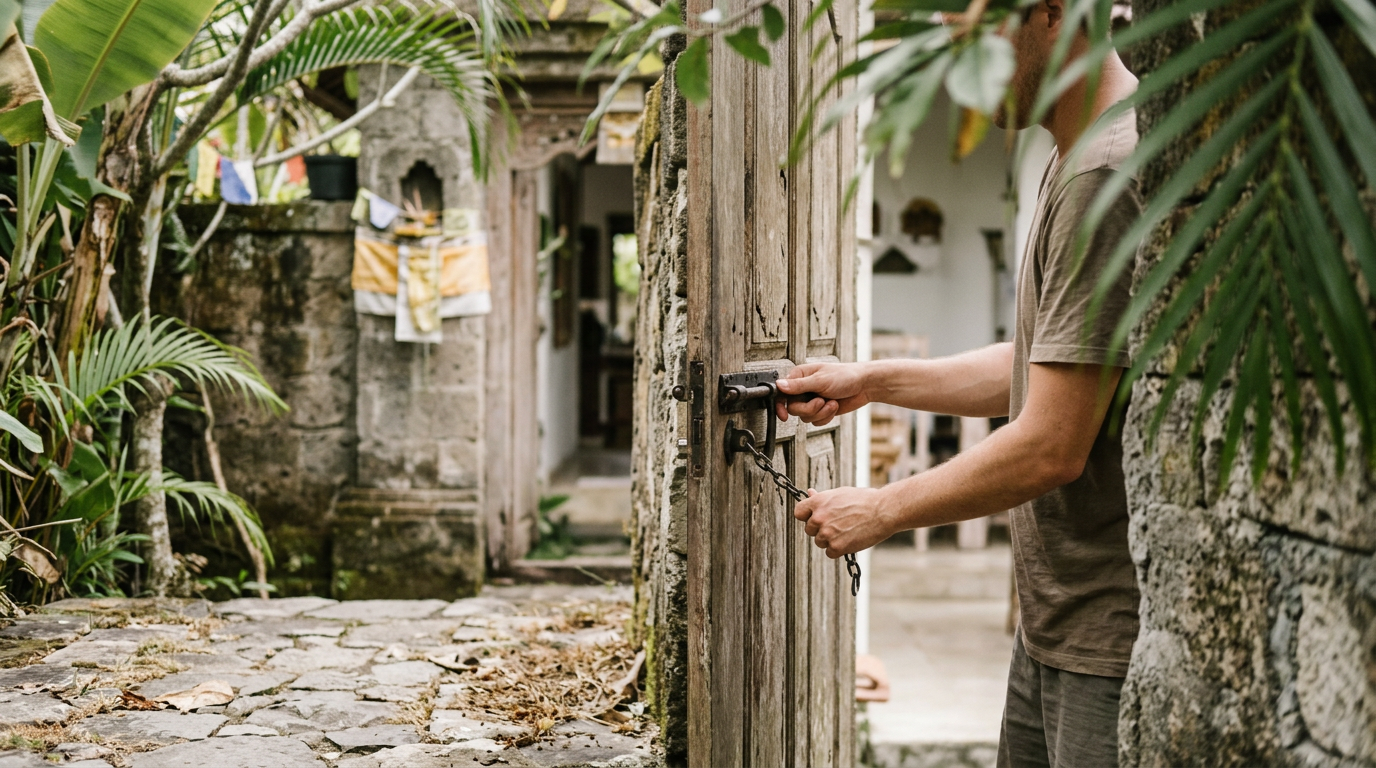
- Property security and control of access vary widely at Airbnbs. Confirm locks, outdoor lighting and whether the property has a guard or gated compound before arrival to reduce risk.
- Neighborhood risk and local knowledge matter a great deal. Hotels are often in established tourist zones with predictable safety levels while some private rentals sit in quieter residential areas that require more situational awareness.
- Consumer protections and documentation differ. Hotels provide formal invoices and chains of accountability that help in disputes while Airbnb bookings rely on platform records and host cooperation to resolve issues.
Choose based on the level of immediate support you want and verify specific safeguards with hosts or hotel staff. Practical checks before you book greatly increase the safety of either choice. Before the final summary and tips, consider checking vetted villa listings with clear security details to simplify your decision-making.
Final thoughts and practical safety tips for your Bali stay
Bali is a welcoming destination when you travel with clear, practical safeguards in place. Keep your passport in a locked safe at your accommodation and carry a photocopy plus a cloud backup for quick access. For daily outings carry only what you need: a single credit card and roughly 200000 to 500000 IDR (Indonesian Rupiah) in cash for food, transport and small purchases. When using ATMs (automated teller machine) choose machines inside banks during daytime, shield your PIN entry and check the card slot for tampering. If you rent a scooter photograph it from all angles, note the fuel level and get a written receipt before you ride, and always wear a properly fastened helmet. Avoid riding at night on rural roads and never combine alcohol with driving. For bookings and activities prefer verifiable providers and ask your host for trusted recommendations; if you book a private villa confirm locks, outdoor lighting and whether a night guard or gated entry is present. Use discreet bags in markets and beaches, keep valuables split between members of your group and avoid leaving electronic devices unattended. Purchase travel insurance that includes medical treatment, theft and emergency evacuation and store emergency contact numbers including your host, local hospital and your embassy where you can find them quickly. If a dispute arises document everything with photos, receipts and messages and report serious incidents to the local police as well as your host. Finally treat local advice seriously: ask accommodation staff about current safety concerns and beach conditions and adjust your plans accordingly.
For vetted villa options and clear property details that can help you assess security before you arrive, consider browsing https://www.balivillahub.com/en to compare listings and confirm the safeguards that matter most to you. With these specific steps you protect yourself and your group and make it far more likely that your time in Bali will be relaxed, enjoyable and trouble-free.