Exploring Nudism in Bali What Visitors Should Know
Bali Villa Hub
3/6/2026
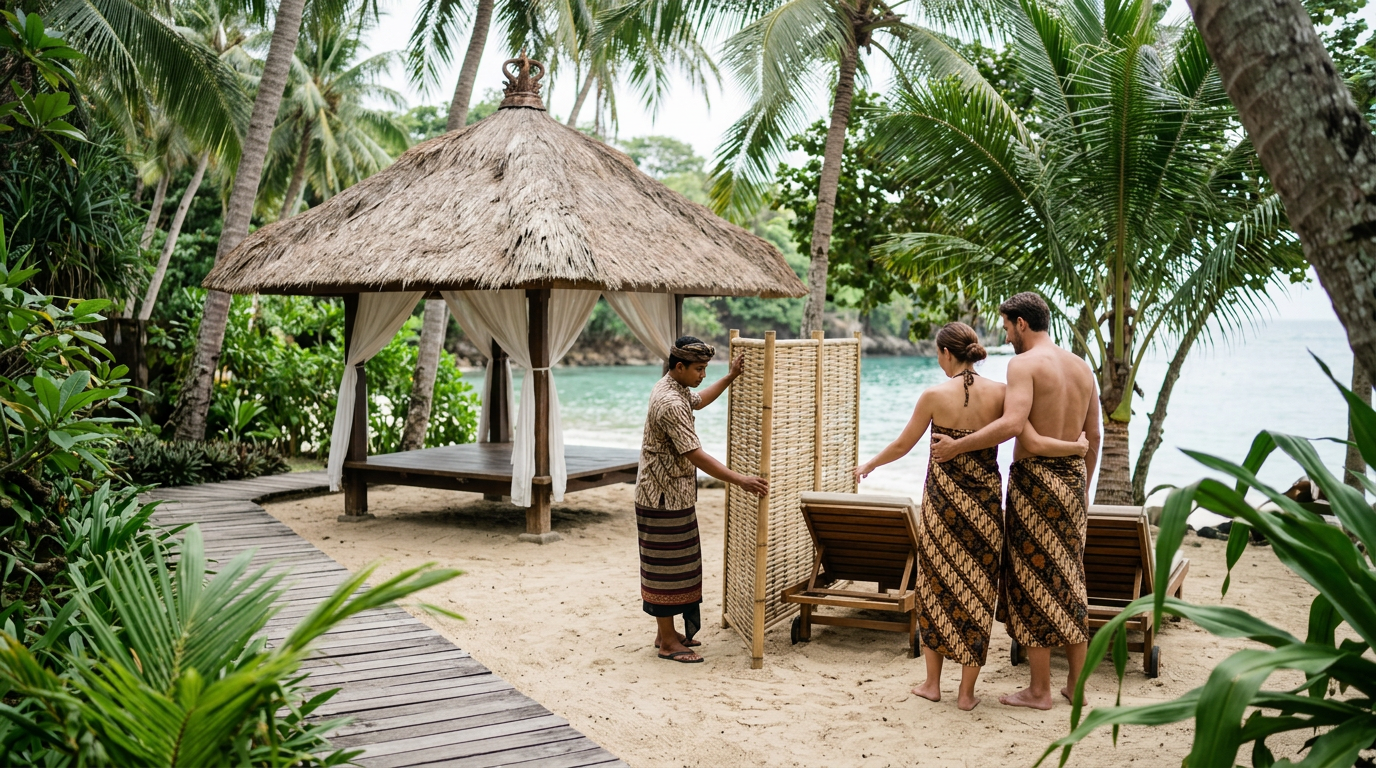
Exploring Nudism in Bali What Visitors Should Know
Bali draws visitors for its landscapes, culture and hospitality, but questions about nudism and clothing-optional stays often surface. This guide clarifies the legal framework, cultural expectations and practical steps to minimise risk while showing respect for local communities. Read on to learn what to avoid, how to choose suitable accommodation and how to travel responsibly with children.
Legal rules and enforcement for public nudity in Bali
Public nudity in Bali is treated as both a legal and social issue rather than a tourist novelty. Indonesian law prohibits acts considered indecent in public, and local customary rules in Bali often add an extra layer of sensitivity around modesty. Visitors should understand that exposing intimate parts in public spaces can lead to immediate intervention from police or community security forces.
Local enforcement comes from a mix of authorities. National police handle criminal complaints and can detain or charge offenders, while village security teams known as pecalang often act swiftly during ceremonies and in tourist zones to prevent conduct that offends local customs. Incidents involving photographs or sexual behaviour may attract scrutiny under pornography provisions and are treated seriously by prosecutors.
Consequences for being caught can include on-the-spot fines or warnings, short detention, formal criminal charges and potential deportation for foreign nationals. Administrative procedures vary by circumstance, but expect to be photographed, fingerprinted and questioned if authorities decide to press the case. Even when a legal outcome is minor, the reputational and personal cost can be significant, especially when local families or religious groups are involved.
Practical risk reduction means avoiding any public nudity outside strictly private spaces and respecting dress requirements at temples and ceremonies. If you plan clothing-optional activities, use private villas, registered resorts or specific naturist facilities and always obtain explicit permission from owners. With these enforcement realities in mind, the next section explains how local dress expectations shape what is acceptable in public.
Local dress code and acceptable nudity norms
Bali expects visitors to dress with sensitivity to local customs and public decency. Modesty is especially important at temples, in village centres and during religious events, where exposed shoulders and hips are considered inappropriate.
What is tolerated in one place may be unacceptable in another, so small choices matter. Beaches can be relaxed, but public nudity is not universally accepted and can draw complaints from locals or intervention from authorities.
- Temple dress rules should be followed at all times: cover shoulders and knees with a sarong or long skirt and remove hats when entering temple grounds.
- Beach behaviour varies by location and community: stick to swimwear that covers intimate areas and avoid topless sunbathing in family-oriented or village beaches.
- Private villas and resort pools offer more discretion: use these private spaces for clothing-optional activities and always confirm the property rules with management first.
- Street and market attire should be conservative to avoid offence: lightweight shirts and longer shorts or trousers are practical and respectful when moving through towns.
- During ceremonies and festivals dress modestly and observe what locals wear: if a ceremony is private or community-led give space and do not photograph without permission.
When unsure, err on the side of covering up and follow local cues rather than personal preferences. Respect and a low profile ensure smoother interactions and reduce the chance of misunderstandings. Having covered local norms, the next section helps you choose accommodation that aligns with privacy expectations.
Choosing accommodation and naturist friendly stays
Selecting the right place matters more than you might expect. Privacy features and local sensitivity determine whether a clothing-optional stay will be relaxed or stressful. Prioritise properties with clear descriptions of private outdoor space and a track record of hosting discreet guests.
Private villas and dedicated naturist properties
Private villas with high walls, mature gardens and secluded pools offer the safest option for naturist stays. Look for explicit statements about clothing-optional policies and photographic evidence of privacy such as full perimeter walls, gated entrances and set-back landscaping.
Check neighbourhood context and legal boundaries
Consider where the property sits in relation to temples, markets and local housing. A villa tucked into a tourist estate or a secluded hillside is usually more suitable than one bordering a village main road. Verify there are no local restrictions imposed by the village or by community guardians that could affect behaviour on the grounds.
Communicate house rules with owners and staff
Never assume privacy is automatic. Ask owners about staff schedules, CCTV (closed-circuit television) and whether neighbours might complain. Request written confirmation that clothing-optional use is permitted and agree on rules about visitors, photography and children if relevant. Clear communication reduces misunderstandings and helps avoid potential enforcement actions.
Choose accommodation that matches your expectations for discretion and comfort and get confirmations in writing. When you combine careful selection with respectful behaviour you protect yourself and the local community while enjoying naturist-friendly stays in Bali. The practical guidance above leads naturally to specific respectful practices to adopt while you are there.
Respectful practices visitors should follow
When visiting Bali, adopt a low profile and prioritise respect for local people and sacred places. Small acts of consideration protect both your experience and the community around you. These practices cover clothing, behaviour, photography and how you act in temples, markets and residential areas.
Dress and public modesty
Cover shoulders and knees when entering temples and during religious events. At beaches, wear swimwear that conceals intimate areas and avoid topless sunbathing in family-oriented or village beaches. Carry a sarong or wrap for quick cover-ups and choose lightweight shirts and longer shorts when walking through towns or markets.
Photography and consent
Always ask permission before taking photos of people, especially during ceremonies and in rural villages. Never photograph children without explicit parental approval and avoid close-up images that might embarrass or expose someone. If you plan to share images online, remove identifying details and consider whether the subject would be comfortable with wide distribution.
Conduct in sacred and communal spaces
Observe local cues at ceremonies: remove shoes where required and do not step over offerings. Do not join in ritual practices unless you are clearly invited and instructed by a host. Keep voices low, switch phones to silent and respect requests from village guardians or pecalang who manage local order.
Discretion and clear communication with your hosts go a long way. For clothing-optional stays, prefer private villas or properties that state privacy rules and confirm expectations in writing. The next section summarises actions to avoid to reduce legal and cultural risk.
Actions to avoid legal and cultural pitfalls
Avoiding legal and cultural pitfalls in Bali depends on clear boundaries and predictable behaviour. Do not be naked or engage in sexual activity in any public place, including beaches, paths and communal gardens, because public indecency can lead to on-the-spot fines, temporary detention or formal criminal charges for foreigners and locals alike. Never take photographs of people during ceremonies or in village settings without explicit permission and never photograph children without parental consent, as this can trigger serious complaints and legal follow-up. Do not enter temples with uncovered shoulders or knees and do not step over offerings placed on the ground, as these are immediate sources of local offence. Refrain from making disrespectful gestures, commenting critically about religion or arguing with village guardians or pecalang; refusal to comply with instructions from local authorities can escalate swiftly into police involvement. Avoid loud parties or disruptive behaviour near residential compounds and do not leave rubbish or damage offerings, both of which inflame community relations. Do not assume private accommodation means total freedom; confirm clothing-optional policy in writing with owners and ask about staff and neighbour arrangements to prevent misunderstandings. Never take sexually explicit images on the property without clear consent from everyone involved because Indonesia has strict pornography rules that can be enforced even for private content. Avoid illicit drugs entirely as penalties are severe and often lead to long detentions. When a situation arises, apologise calmly, follow local requests and involve your embassy only if necessary. Practical measures reduce risk: carry a sarong for immediate cover, use private, registered naturist venues for clothing-optional stays and always ask first before photographing or participating in any community event. Respect and discretion keep you safe and preserve the goodwill of the places you visit.
Traveling with children legal and safety considerations
Bringing children to Bali requires extra care on both legal and practical fronts. Public nudity and sexually suggestive conduct are prohibited in public areas and can become a child protection concern if minors are present. Plan ahead so your itinerary avoids situations that could attract official attention or community complaints, and keep children covered in public spaces at all times.
Supervision and documentation
Carry each child's passport and any proof of parentage such as a birth certificate. If one parent travels alone, bring a signed consent letter from the other parent and contact details for both parents, because immigration or local authorities may ask for proof of guardianship.
Check with your accommodation about child safety measures and staff presence. Confirm whether staff are required to be off site during clothing-optional hours and request locked gates and pool alarms if available to reduce accidental exposure or unsupervised access.
- Documentation and border checks: follow airline and immigration rules for minors and have copies of all documents stored separately from originals to speed up any queries.
- Privacy and photography: never photograph local children without explicit parental consent and avoid sharing images online that show minors in any state of undress to prevent legal complications.
- Venue and staff policies: choose properties that state clothing-optional rules clearly, confirm staff schedules and guest access, and prioritise villas with high fences and private outdoor areas for any clothing-optional time.
When in doubt, choose privacy and caution: keeping children fully clothed in public and using registered private venues for any naturist activity protects your family and shows respect for local laws and community values. If you need help finding discreet, privacy-focused villas that match these requirements, consider browsing available options at https://www.balivillahub.com/en to compare properties and confirm their privacy features.
In summary, enjoying Bali while respecting local norms means choosing appropriate accommodation, communicating clearly with hosts, and behaving with discretion in public. These steps preserve your safety and the goodwill of the communities you visit.