How Crowded Is Bali in Peak Season and What to Expect
Bali Villa Hub
2/25/2026
How Crowded Is Bali in Peak Season and What to Expect
Bali draws visitors year-round, but crowds swell noticeably at certain times. This guide walks you through when the island is busiest, which places fill up first, how crowds affect costs and logistics, the trade-offs of traveling during peak months, and practical ways to keep your trip calm and enjoyable. Read on to plan smarter and make the most of your visit.
Which months are considered Bali's peak tourist season
Bali's busiest periods are concentrated around two clear windows each year. The island sees the largest influx of international and regional visitors from mid June through August and again around late December into early January. These months bring the highest hotel occupancy and the strongest demand for tours, restaurants and key experiences.
Core peak months
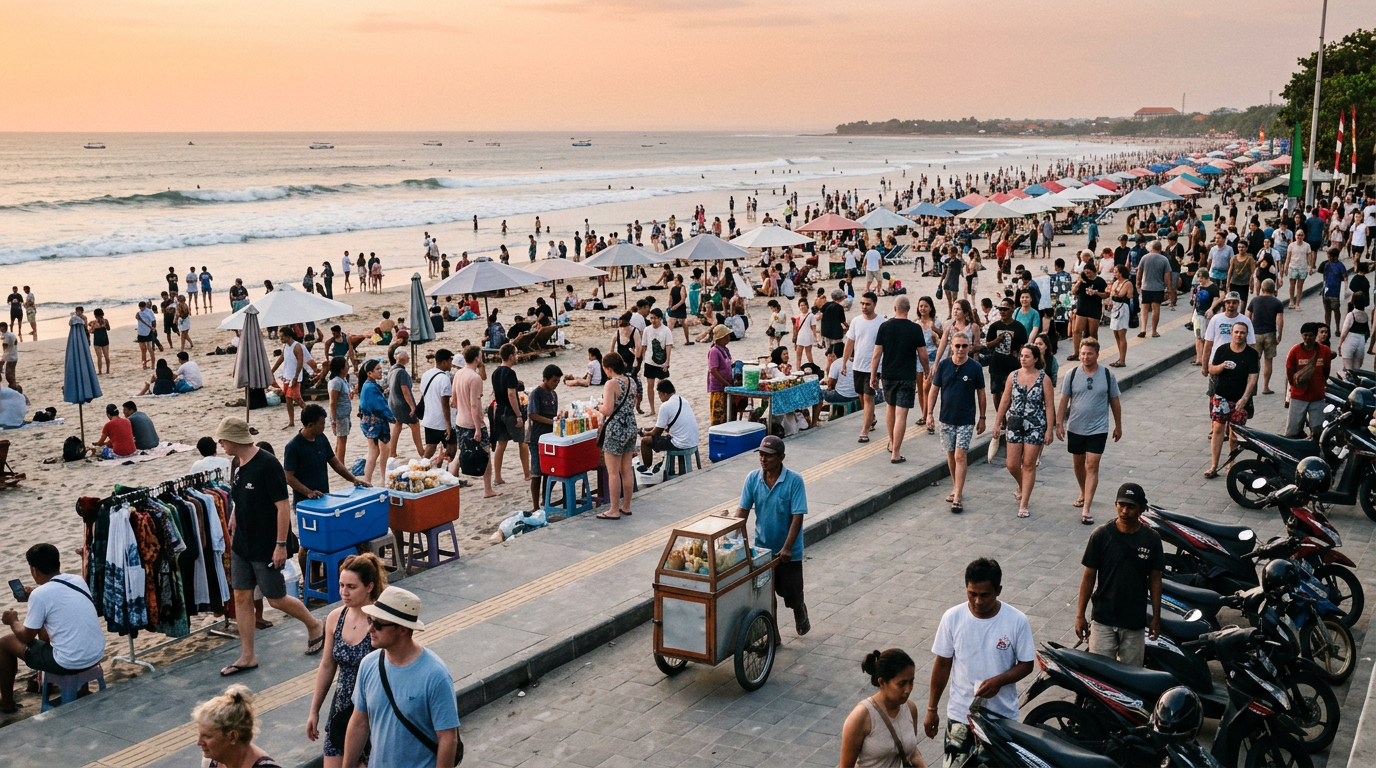
July and August are the single busiest months with steady demand from European and Australian holiday travelers. Expect crowded beaches and popular villas to reach near full occupancy, especially in Seminyak, Canggu, Uluwatu and Ubud. Late December and the first week of January form the other peak window, driven by Christmas and New Year travel when flights and accommodations often sell out well in advance.
Shoulder periods that can feel busy
June and September are transitional but still very active, particularly in early June and the first three weeks of September. School holiday overlaps and festival weekends push visitor numbers up during these months. If you travel in June or September you will see strong crowds at main attractions yet find slightly better availability and lower prices than in the core peak months.
Regional and event driven spikes
Certain areas and specific dates attract concentrated crowds outside the main windows. Surf competitions, music festivals and the Bali Arts Festival draw visitors at particular times, while the Nusa islands and the Bukit peninsula can be packed during surf season. Cultural holidays shift visitor flows toward Ubud and temple towns at particular moments.
In short, plan for the heaviest crowds in July, August and late December. Book early and choose quieter pockets of the island if you prefer a less busy experience. Knowing these windows also helps you decide where crowds are likely to concentrate, which leads into the next section on hotspots.
Hotspots and attractions that get most crowded
Certain places on the island attract a large share of visitors during the busiest months. Understanding which sites fill up and when gives you an advantage when planning where to go and when to arrive.
Sunset temples, main beaches and a handful of iconic viewpoints see the highest concentration of tourists. Below are the specific hotspots that routinely become crowded so you can plan to avoid the worst of the lines and traffic.
- Kuta and Seminyak beaches fill quickly on weekends and public holidays, with heavy foot traffic and limited parking from late morning into the evening.
- Central Ubud and the Monkey Forest draw steady daytrippers with peak congestion in mid to late morning, while nearby rice terraces like Tegalalang see continuous tour bus arrivals.
- Tanah Lot and Uluwatu temples become exceptionally busy in the hour before sunset, creating long waits for the best viewpoints and photo spots.
- Mount Batur sunrise treks gather large groups before dawn, so the ascent and summit areas can be congested when multiple operators run early departures.
- Nusa Penida and Nusa Lembongan day trips concentrate visitors at signature sites such as Kelingking and Broken Beach, resulting in short windows at each viewpoint and crowded boat piers.
Plan to visit the busiest sites either very early in the day or later in the afternoon when possible. Booking transfers and tours in advance and choosing weekdays instead of weekends will significantly reduce time waiting in lines. With those hotspots in mind, consider how peak-season pressure changes prices, activity availability and travel times.
How peak-season crowds impact prices activities and transport
Peak season on Bali reshapes the travel experience in three clear ways. Higher demand pushes up costs for accommodation and services, popular activities fill quickly and require advance booking, and road congestion makes transfers slower and less predictable. Understanding these effects helps you plan timing and budgets with confidence.
Prices and availability
Accommodation rates rise as rooms sell out and only higher-priced options remain. For the most sought-after villas and hotels in Seminyak, Ubud and the Bukit peninsula it is common to see limited inventory two months before arrival. Book at least eight weeks ahead to secure reasonable rates and preserve cancellation flexibility where possible.
Activities and tour scheduling
Guided excursions and signature experiences become fully booked well before arrival. Sunrise treks, scuba trips and small group cultural tours often require reservations two to four weeks in advance during the busiest months. If you prefer a private guide or a small group, reserve as early as possible and confirm meeting points to avoid last-minute changes.
Transport and transfer times
Roads and ferry terminals absorb much higher volumes of traffic, which increases transfer times. Allow an extra thirty to ninety minutes when traveling between popular hubs such as Seminyak and Ubud or when crossing to the Nusa islands during weekend peaks. Airport pickup windows can fill fast, so prearranged transfers or taxi bookings are recommended to avoid long waits.
In short, peak-season crowds mean higher costs, tighter booking windows and slower journeys. Plan early, prioritize must-do activities and build extra time into your itinerary to keep your trip calm and enjoyable even when the island is at its busiest. With these impacts in mind, it’s useful to weigh the advantages and disadvantages before you decide on travel dates.
Advantages and disadvantages of traveling during peak season
Advantages include an energetic atmosphere and a full roster of services and events. During the busiest months most restaurants, spas and tour operators run their complete menus, which means more choices for dining and activities. Direct flights from Australia and parts of Europe increase in frequency, making travel planning simpler. Weather is often at its best in the dry season months so beach days and outdoor adventures are more reliable. Cultural festivals and surf competitions are typically scheduled when visitor numbers are high, so you can attend unique performances and lively local events not available year-round.
Disadvantages are higher costs and reduced availability. Popular villas and hotels often sell out early, making advance booking essential and pushing prices up noticeably. Major attractions and viewpoint areas become crowded, which reduces the sense of solitude and increases time spent queuing. Road congestion and ferry lines add travel time so transfers between hubs can take an extra thirty to ninety minutes depending on route and timing. There is also more strain on local infrastructure, which can affect service speed and environmental quality at well-known beaches. If you value space and quiet you may prefer shoulder months instead.
Understanding these trade-offs helps you decide whether the lively atmosphere and fully open services are worth the extra planning and cost. If you opt for peak-season travel, the next section outlines practical strategies to reduce crowds' impact on your trip.
Practical strategies to avoid crowds and plan smarter
Traveling smarter on Bali begins with small adjustments that yield a quieter experience. Focus on timing your visits, selecting less busy neighborhoods and booking essential services early. These practical steps reduce time waiting in lines and allow you to enjoy more serene moments on the island.
Choose time windows and alternatives
Visit popular sites at off-peak hours such as early morning or late afternoon when tour buses have not yet arrived. Select nearby lesser-known attractions that offer similar scenery and atmosphere without the heavy foot traffic. This approach preserves highlights while cutting out the busiest periods.
- Book in advance for must-do activities to secure early slots and private options. Reserving sunrise treks, boat transfers and guided tours ahead of time prevents disappointment and gives you the best time windows.
- Opt for weekdays instead of weekends when possible because local and regional travelers inflate numbers on Fridays through Sundays in many parts of the island.
- Split your stay between two locations to avoid daily transfers and to experience quieter areas. Combining a coastal base with a short Ubud stay reduces repeated travel through congested corridors.
- Hire a driver for half-day trips rather than full-day tours to control arrival times and avoid the common circuit of packed attractions. A flexible driver allows last-minute detours to quieter spots.
Apply these tactics together to multiply their effect. If you're looking for villa options that match a quieter itinerary or need help securing accommodations early, consider browsing listings at https://www.balivillahub.com/en where you can filter by location, availability and amenities to suit your preferred travel rhythm.
Think ahead about which experiences are essential, reserve them early and remain flexible on routes and timing. Doing so will turn a crowded season into a travel plan that feels calm and rewarding.