Is Bali a high risk area for rabies?
Bali Villa Hub
2/25/2026
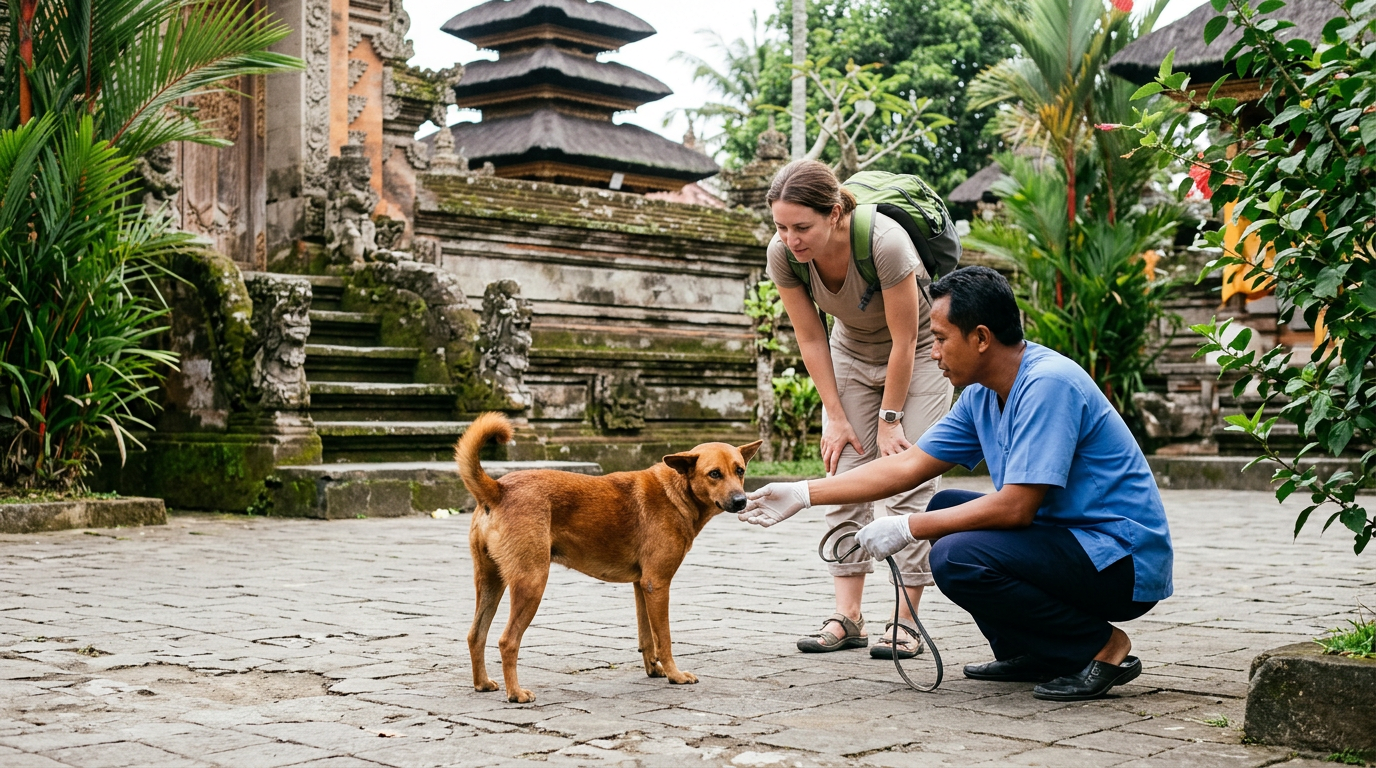
Is Bali a high risk area for rabies?
Bali remains a place of great appeal for visitors and residents, but concerns about rabies persist. This article summarizes the current situation, explains how rabies spreads, outlines immediate first aid steps after an animal bite, clarifies who should consider pre-exposure vaccination, and highlights local prevention programs and practical tips for families and pet owners. Read on to understand the real risks and the actions that reduce them.
2025 update on rabies cases and trends in Bali and Indonesia
Surveillance through the end of the first quarter of 2025 shows a mixed picture across Indonesia with Bali remaining a focal point. Nationally reported animal rabies events have declined compared with the previous two years, yet Bali still records the highest incidence per capita among provinces. Case reporting is more timely than before thanks to improved laboratory access and a standardized notification system deployed in 2024.
Within Bali, trends are concentrated in districts with higher dog density and more frequent human–animal contact. Recent vaccination campaigns reached approximately 75 percent of owned and accessible dogs in targeted subdistricts during 2024, reducing virus circulation in those areas. Despite that progress, several rural communities and some popular coastal resorts continue to report sporadic animal cases and bite exposures, often linked to unvaccinated strays and gaps in door-to-door coverage.
Human exposure management has also strengthened at primary clinics across the island. Provincial health units reported a substantial increase in patients presenting for wound care and post-exposure prophylaxis after dog bites in 2024. Stock levels of rabies vaccine and rabies immunoglobulin have been improved at district hospitals and designated clinics, and health workers have been trained to follow recommended vaccine schedules. These operational gains mean outcomes for bite victims are steadily improving when care is accessed promptly.
Looking ahead, control depends on sustaining high dog vaccination coverage and ongoing community engagement in known hotspots. For residents and visitors alike the single most actionable step is immediate wound washing and prompt medical assessment after any bite or scratch. Continued surveillance and targeted vaccination remain essential if Bali is to move from a persistent hotspot to a reliably low-risk area. To put these trends in context, it helps to understand how rabies spreads and why early care matters.
How rabies is transmitted and why prevention matters
Rabies is a virus that attacks the central nervous system and is almost always fatal once clinical signs develop. Knowing how transmission occurs and which prevention actions work is essential for residents and visitors in areas with ongoing animal cases. Clear, timely steps can turn a dangerous exposure into a survivable event.
How the virus spreads
The virus is present in the saliva of infected mammals and is most commonly transmitted through bites. Scratches that break the skin or contamination of open wounds or mucous membranes with saliva can also transmit the virus. Dogs account for the majority of human exposures in Bali while bats and other mammals remain occasional sources.
Incubation period and early signs
Incubation varies greatly depending on the distance from wound to brain and viral dose. It can be as short as a few days or extend for several months. Early symptoms are often flu-like and may include fever, headache and a tingling sensation at the wound. As the disease advances, neurological symptoms such as agitation, confusion, difficulty swallowing and hypersensitivity to water and air may appear.
Why prevention and early care matter
Immediate wound washing with soap and clean water for at least 15 minutes significantly reduces viral load at the site. Prompt medical evaluation allows administration of rabies vaccine and, when indicated, rabies immunoglobulin; together these prevent onset of disease in the vast majority of exposures. Community measures such as regular dog vaccination, responsible pet ownership and reducing stray populations cut transmission at the source.
Understanding transmission pathways highlights why quick action after any suspicious contact is critical. The next section explains exactly what to do in those first minutes and hours following a bite.
Immediate first aid and steps after an animal bite
Any animal bite or scratch that breaks the skin requires prompt attention. Acting quickly reduces infection risk and improves the chance that post-exposure care will prevent rabies or other complications.
Follow these clear actions immediately and then seek professional medical assessment without delay.
- Stop bleeding and wash the wound with clean running water for at least 15 minutes using soap and friction to remove saliva and debris. Strong, continuous irrigation is one of the most effective first measures to lower infection risk.
- Apply a sterile dressing and keep the wound covered until you can see a clinician. Do not close deep puncture wounds with adhesive strips at home unless instructed by medical staff.
- Seek medical care as soon as possible so a clinician can assess the need for rabies vaccine and rabies immunoglobulin. Timely post-exposure prophylaxis prevents rabies in the vast majority of exposures when given correctly.
- Check tetanus vaccination status and discuss antibiotic therapy if the wound is deep, contaminated, or from a wild or unknown animal. Bite wounds, especially to hands and feet, are prone to bacterial infection and often require targeted treatment.
- When safe, identify and report the animal to local animal control or public health authorities for observation and testing. Do not attempt to catch wild animals or handle aggressive stray animals yourself.
Document the incident including date, time, animal description and any witnesses while details are fresh. This information helps clinicians and authorities decide on follow-up and risk management. With immediate cleaning and rapid medical assessment you maximize the chance of a positive outcome; the following section explains who might consider pre-exposure vaccination as an additional precaution.
Who should get pre-exposure rabies vaccination
Pre-exposure rabies vaccination is recommended for people whose likelihood of encountering rabid animals is higher than average and for those who may not be able to access prompt medical care after an exposure. This includes veterinarians and veterinary staff, animal shelter and rescue workers, wildlife researchers and handlers, laboratory personnel who work with lyssaviruses, cave explorers who may encounter bats and residents of remote communities where post-exposure treatment is limited. Travelers to Bali who plan to spend extended time in rural areas, stay in homestays, volunteer with animals or take part in activities that increase close contact with dogs, monkeys or bats should also consider vaccination. Children who live in or visit endemic areas are a special consideration because they are more likely to approach animals and less able to report bites promptly. Pre-exposure vaccination is particularly valuable when rapid access to rabies immunoglobulin cannot be guaranteed since prior vaccination simplifies follow-up care. It does not replace immediate wound cleaning and medical assessment after any bite but it reduces the number of post-exposure doses required and eliminates the need for immunoglobulin in most cases. Vaccine schedules and booster recommendations vary by country and by individual risk so consult a travel health clinic or local public health authority for the precise regimen and timing. If you fall into one of these higher risk groups arrange vaccination well before potential exposure so the full course is completed and protective antibodies have time to develop.
Deciding on pre-exposure vaccination is a practical, evidence-based step for those facing elevated risk. The final section highlights how local programs and household practices contribute to island-wide risk reduction.
Local prevention programs and tips for pet owners and families in Bali
Bali has expanded local prevention efforts that combine regular dog vaccination, community education and targeted animal population management. These programs focus on high-contact districts and popular tourist zones and rely on coordination between village leaders, veterinary teams and health clinics to maintain coverage and rapid response.
How community efforts reduce risk
Mass vaccination campaigns aim to reach and maintain at least 70 percent coverage of the dog population in priority areas to interrupt virus transmission. Teams perform door-to-door visits and set up short-term clinics at village halls to reach dogs that are not routinely taken to a vet while mobile surveillance identifies clusters of cases for follow-up.
Complementary activities include sterilization drives to lower future stray growth, public education in schools and markets to teach safe behaviour around animals and training for frontline health staff to manage exposures and maintain vaccine stocks.
- Register and vaccinate pets every year with documentation kept by owners so proof of vaccination is available if needed. Annual vaccination protects pets and reduces the reservoir of infection in the community.
- Keep dogs on leash or securely confined and do not feed or encourage contact with stray animals. Supervised interaction lowers the chance of unexpected bites and reduces conflicts that lead to exposures.
- Report bites and suspicious animal behaviour to local health or animal control teams immediately and seek medical care for any wound even if it seems minor. Rapid reporting enables observation of the animal and timely access to post-exposure prophylaxis if required.
Individual responsibility and community action work together. By vaccinating pets, securing animals, joining local campaigns and seeking prompt care after any bite, families and pet owners help keep Bali safer and support the island-wide effort to reduce rabies risk.
If you are planning a stay in Bali and want reliable information on local services, accommodations and practical travel guidance, consider consulting https://www.balivillahub.com/en for helpful, up-to-date listings and contacts to support a safe visit. Staying informed and prepared is the best way to reduce risk while enjoying the island.