Is Bali cheaper than the UK (United Kingdom)?
Bali Villa Hub
2/25/2026
Is Bali cheaper than the UK (United Kingdom)?
Deciding whether Bali is cheaper than the UK depends on what you compare and how you live. This article walks through everyday spending, the main cost drivers, housing and property comparisons, and the larger expenses of transport, healthcare and education. Each section builds on the previous one so you can form a realistic picture of likely savings and trade‑offs.
Comparing everyday expenses and typical budgets in Bali and the UK
Overall living costs in Bali are lower for many everyday items, though the difference varies by location and lifestyle. Central London remains one of the most expensive urban areas in Europe, while Bali tends to offer much lower prices for local food, services and transport. The short examples and monthly budget templates below show realistic ranges for different lifestyles.
Daily spending examples in each place
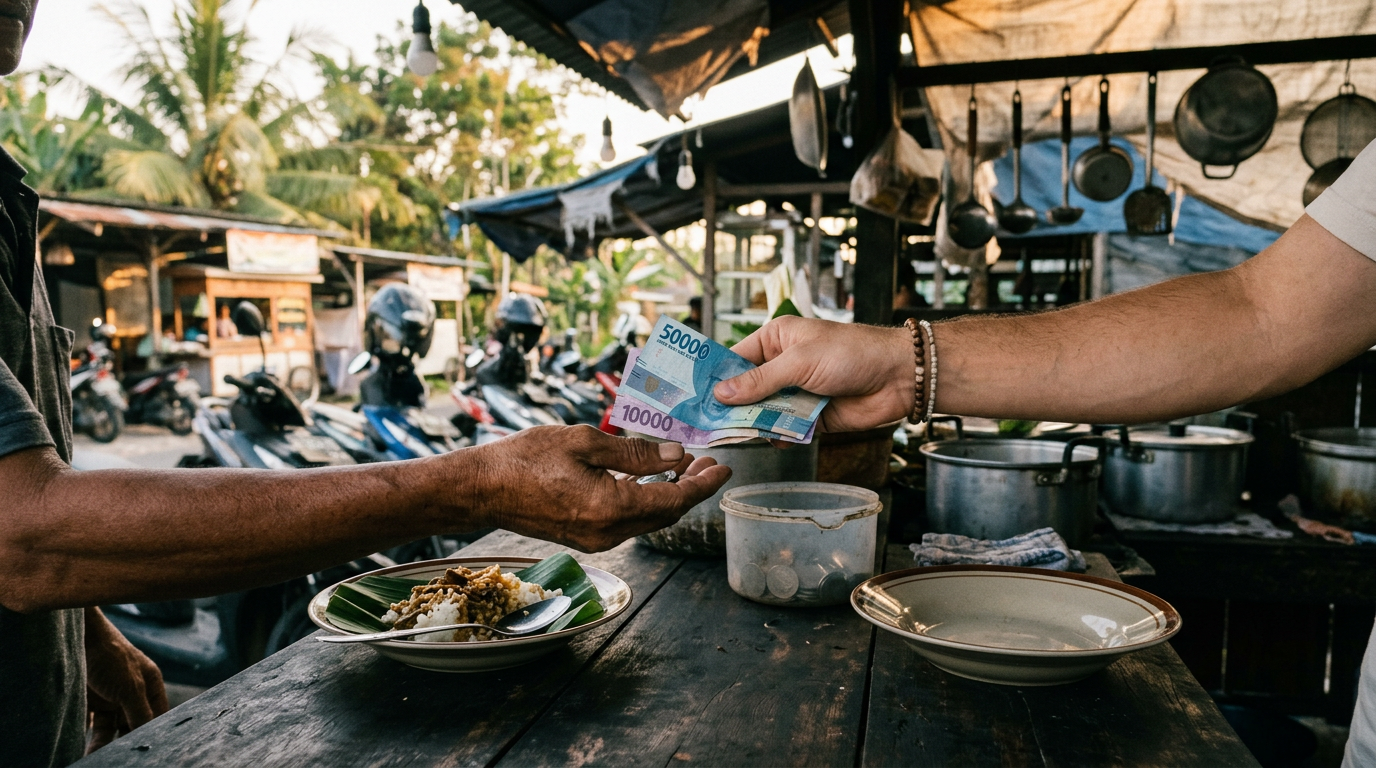
IDR (Indonesian rupiah) 25,000 to 45,000 is a typical price for a meal at a local warung in Bali, roughly £1.20 to £2.20. A good espresso-based coffee costs about IDR (Indonesian rupiah) 20,000 to 40,000 or around £1 to £1.90, and short ride-hailing trips often range from IDR (Indonesian rupiah) 15,000 to 40,000 (about £0.70 to £1.90). In the UK a pub lunch commonly costs £6 to £12 and coffee typically ranges between £2.50 and £4; single fares on local transport in UK cities are often £2 to £3.
Typical monthly budgets for common lifestyles
A single person living modestly in Bali can expect to spend about £500 to £800 per month covering rent for a basic one-bedroom outside main tourist strips, groceries from local markets, scooter rental and modest dining out. A comfortable digital nomad budget in Bali is usually £900 to £1,500 per month, including coworking, faster internet and occasional western restaurants. By contrast, a comparable comfortable budget in London commonly runs £1,800 to £2,500 per month, excluding premium central rents.
Where the biggest savings come from
Major savings in Bali stem from locally prepared food, affordable household help and lower-priced personal services. Housing costs vary widely, so picking less touristy areas amplifies savings. Utilities and internet often cost less on average in Bali, though many expats add private health insurance, which reduces part of the advantage.
With these everyday examples in mind, it helps to look at the structural reasons behind the price differences.
Key reasons Bali can be significantly cheaper than the UK
Bali commonly appears as a lower-cost destination compared with the UK because several structural factors push local prices down while still supporting a comfortable lifestyle for many visitors and long-term residents.
Below are the main drivers of lower costs, with concrete examples where relevant.
- Lower local labour and service rates. Domestic help, gardeners and cleaners typically charge a fraction of UK rates, which can reduce household budgets by several hundred pounds per month for a modest home.
- Affordable local food and groceries. A meal at a local eatery is often IDR (Indonesian rupiah) 25,000 to 45,000 (around £1–£2) and fresh market produce can be 30–60% cheaper than equivalent supermarket prices in the UK.
- Cheaper transport options. Scooter rental commonly costs IDR (Indonesian rupiah) 600,000 to 1,500,000 per month and short ride-hailing fares are often under IDR (Indonesian rupiah) 40,000, keeping daily travel costs low versus public transport and taxis in many UK cities.
- Lower rent outside tourist hotspots. Decent one-bedroom rentals away from main tourist strips frequently range from IDR (Indonesian rupiah) 3,000,000 to 8,000,000 per month, producing substantial savings relative to many parts of the UK.
- Inexpensive personal services and leisure. Massages, laundry and basic entertainment are priced to local incomes, so regular dining out and wellness routines cost much less than similar activities in the UK.
These benefits are strongest when you adopt local habits and avoid imported goods and premium tourist areas. Imported products, international schooling and private health care can narrow the gap, but day-to-day living in Bali often yields clear, measurable savings.
Next, consider how these differences play out in housing and property markets.
Housing and property costs for rentals and purchases in Bali versus the UK
Housing is one of the clearest ways costs diverge between Bali and the UK. Location and lifestyle shape most differences, so the price bands below help compare realistic renting and buying options.
Rental market and monthly costs
Long-term rentals in Bali vary by area. A basic one-bedroom outside major tourist strips typically rents for IDR (Indonesian rupiah) 3,000,000 to 8,000,000 per month (roughly £140–£380). One-bedrooms in popular areas such as Canggu or Seminyak often run IDR (Indonesian rupiah) 6,000,000 to 15,000,000 per month (about £285–£715). Furnished private villas for longer stays commonly start around IDR (Indonesian rupiah) 10,000,000 and can reach IDR (Indonesian rupiah) 40,000,000 per month depending on size and amenities. In the UK, comparable rents are higher: a one-bedroom outside London typically ranges from £600 to £1,000 per month, while London city rents often sit between £1,400 and £2,500 for central locations.
Buying property and ownership rules
Purchase prices in Bali span a wide range. Small apartments can start around IDR (Indonesian rupiah) 700,000,000 and villas often begin near IDR (Indonesian rupiah) 1,500,000,000, with prime beachfront or investment-grade villas costing much more. Foreign buyers commonly use long-term leasehold arrangements or corporate structures since freehold ownership by foreign nationals is restricted. In the UK, property markets are generally pricier for buyers: many towns offer homes from £200,000 to £350,000, while London prices are substantially higher and central properties can reach several hundred thousand to millions of pounds.
Running costs and practical considerations
Monthly running costs tend to favour Bali for utilities, domestic help and routine maintenance, which are cheaper than UK equivalents. Conversely, imported materials, higher-quality construction and expatriate insurance add cost for buyers in Bali. Stamp duty and financing conditions in the UK create larger upfront costs, but legal clarity and resale liquidity are typically stronger there.
Understanding housing trade-offs helps when you shift focus to transport, healthcare and education expenses that also shape total cost of living.
Transport, healthcare and education costs for residents and expats
Transport in Bali is centred on scooters and affordable ride-hailing, which keeps daily mobility costs low. Scooter rental typically runs IDR (Indonesian rupiah) 600,000 to 1,500,000 per month and a reliable secondhand scooter often costs IDR (Indonesian rupiah) 8,000,000 to 25,000,000 to buy. Petrol is about IDR (Indonesian rupiah) 10,000 to 13,000 per litre, so modest monthly commuting expenses can stay under IDR (Indonesian rupiah) 500,000. Short ride-hailing trips usually cost IDR (Indonesian rupiah) 15,000 to 50,000. Car hire for visitors or short-term use is roughly IDR (Indonesian rupiah) 350,000 to 700,000 per day if you include a driver. By comparison, many UK city commuters pay £70 to £250 for a monthly public transport pass and single fares in urban areas are often £2 to £5.
Healthcare and education choices can significantly affect long-term costs. Private clinic consultations in Bali generally run IDR (Indonesian rupiah) 250,000 to 600,000 per visit, and private hospital stays range from IDR (Indonesian rupiah) 1,200,000 to 4,000,000 per day depending on the facility and treatment. Many expats add private international health insurance (often from about £50 to £250 per month depending on age and coverage) to ensure access to private hospitals and evacuation cover where desired. International schools charge notable tuition, typically IDR (Indonesian rupiah) 60,000,000 to 250,000,000 per year (about £2,900 to £12,000) for established campuses; local private schools are far cheaper. In the UK, residents benefit from free core healthcare through the national system, but private treatment and private schooling can cost substantially more. If you plan to move to Bali, factor in insurance and schooling choices early, since these items can erode apparent daily savings if you require international standards.
Having reviewed major cost categories, the next step is practical budgeting and protecting yourself against large unexpected expenses.
Practical budgeting, visas and insurance to stretch your money in Bali
Stretching your money in Bali starts with predictable monthly planning and protecting against large unexpected bills. Establish a baseline for housing, food and transport, then set aside funds specifically for visas and health cover. These practical choices reduce stress and keep your lifestyle flexible.
Build a realistic monthly plan and contingency fund
Use three budget tiers to guide decisions. A frugal local lifestyle typically needs about £500 to £800 per month for basic rent, local groceries and scooter use. A comfortable expat budget with occasional coworking and western dining generally falls between £900 and £1,500 per month. Maintain an emergency buffer of £1,000 to £3,000 for medical treatment, visa issues or sudden travel.
- Prioritise essential payments. Pay rent and reliable internet first, as connectivity supports work and income stability. Aim to spend no more than 40% of your budget on housing.
- Plan visas in advance. Tourist options suit short visits, but longer stays require the correct permit. Allow £100 to £500 for application and extension processing depending on the visa route and whether you use an agent.
- Invest in suitable insurance. Basic international health insurance commonly costs £50 to £250 per month depending on age and coverage. Consider plans with medical evacuation if you prefer private hospitals for serious care.
Keep spending visible with a simple weekly tracker and review monthly to adapt budgets. Making visa arrangements early and carrying appropriate insurance are small ongoing costs that prevent large unexpected outlays and help you reliably enjoy life in Bali. If you are exploring longer-term accommodation or want help finding villas that match your budget and lifestyle, visit https://www.balivillahub.com/en to browse listings and get practical assistance.
In summary, Bali is generally cheaper than the UK for many daily expenses and typical monthly budgets, but actual savings depend on location choices, lifestyle priorities and costs for schooling or private healthcare. Evaluate the categories above against your needs to determine whether Bali offers the right balance of cost and convenience for you.