Is Bali Really Suffering From Overtourism and Decay
Bali Villa Hub
2/26/2026
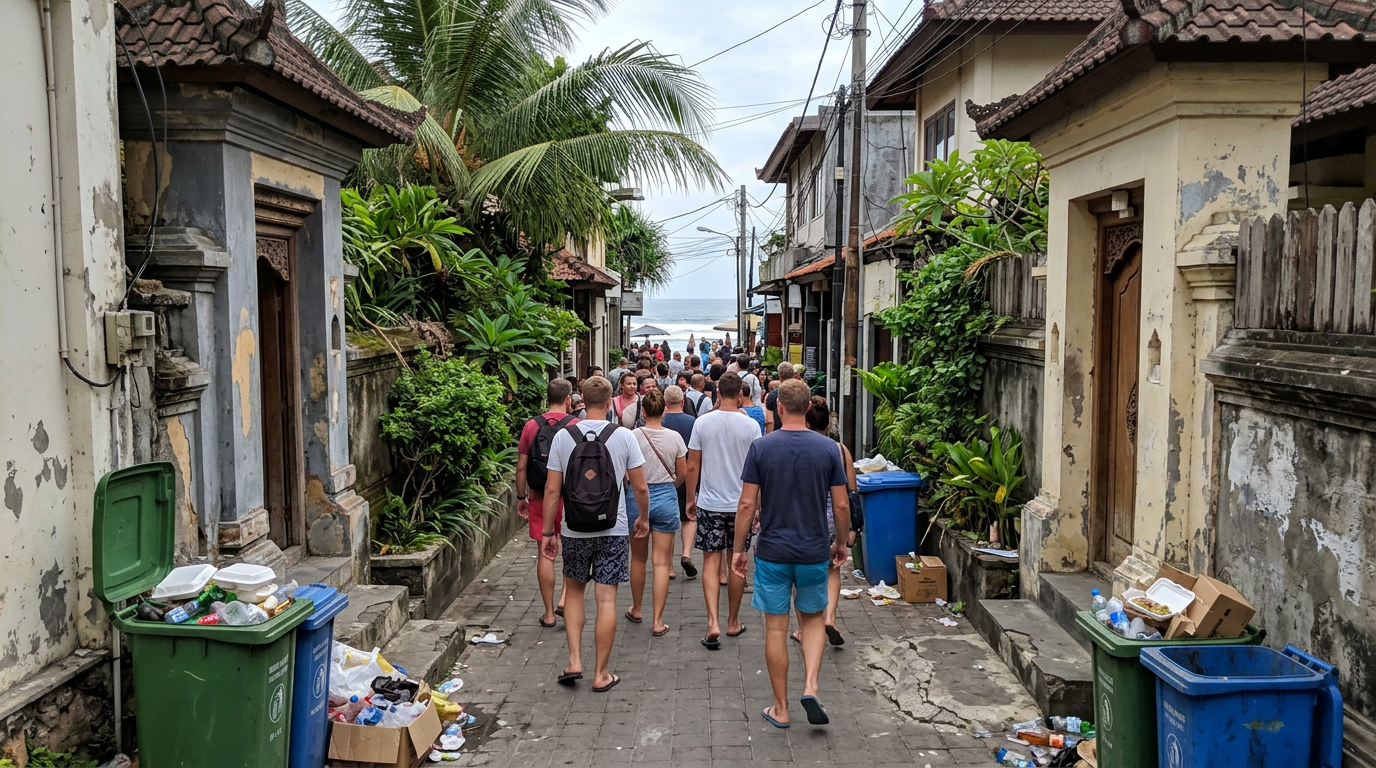
Is Bali Really Suffering From Overtourism and Decay
Bali’s popularity as a travel destination has brought clear economic benefits but also mounting concerns about environmental damage, strained services and changing community life. This article looks at the costs of mass tourism, how overcrowding affects infrastructure, the responses of residents, policy options to manage visitor growth, and practical solutions that can be implemented locally. Each section builds on the last to show how interconnected pressures require coordinated responses.
Environmental and social costs of mass tourism
Mass tourism has reshaped Bali in visible and subtle ways. Beyond the charms that draw visitors here lie concentrated pressures on water, land and community life that compound year after year. This section examines the most significant environmental stresses and the social consequences that follow when visitor numbers exceed local capacity.
Environmental degradation and resource pressure
Tourist demand for hotel pools and landscaped gardens strains freshwater supplies already limited by seasonal variability. Groundwater extraction has lowered aquifers in several coastal areas, causing wells to dry and salt water intrusion to increase. Coral reefs and mangroves suffer when coastal developments replace native vegetation and when boats and swimmers damage fragile ecosystems.
Waste management and pollution
Rapid growth in accommodation and dining options produces volumes of solid waste and untreated sewage that local infrastructure struggles to process. Streets, rivers and beaches see heavier loads of plastic and organic refuse, especially during peak months. Open burning and improper disposal add air and soil pollution that affect both human health and biodiversity.
Social displacement and cultural erosion
Rising land values and short term rentals push long term residents out of central districts, making affordable housing scarce for workers and young families. Traditional rituals and artisanship face commodification as ceremonies are adapted for visitor spectacles. At the same time service work growth has improved incomes for some while deepening inequality for others who lack secure employment or property rights.
These impacts are interconnected and location specific. Addressing them requires coordinated planning that respects carrying capacity and prioritizes community stewardship of resources. Recognizing the costs as well as the benefits of tourism is the first step toward policies that protect Bali's environment and social fabric for the long term. With those environmental and social pressures in mind, the next section examines how physical infrastructure and services are coping.
How overcrowding strains Bali's infrastructure and services
Overcrowding concentrates pressure on systems that were designed for a smaller resident population. During high season visitor flows cluster in south coast towns such as Kuta, Seminyak and Canggu as well as cultural hubs like Ubud, producing everyday strains on roads, utilities and public amenities. Those pressures are tangible for households and workers and they chip away at the island experience that visitors seek.
Traffic congestion is the most visible sign. The area around Ngurah Rai airport and major arteries into tourist districts suffer long delays and frequent bottlenecks. Limited public transport means private cars and motorbikes dominate the road network, raising accident rates and extending commute times for service staff. Chronic parking shortfalls push informal expansion of paved areas into green spaces and narrow residential streets.
Basic utilities also feel the burden. Many accommodation providers draw large volumes of groundwater for pools and irrigation which lowers aquifers and increases salt water intrusion near the coast. Sewage systems built for smaller loads are often overwhelmed so untreated effluent reaches rivers and beaches after heavy rain events. The electricity grid sees peak demand surges that cause localized outages and drive some businesses to depend on diesel generators for reliability.
Public services from healthcare to waste management are stretched thin. Hospitals and clinics record higher nonurgent caseloads that lengthen waits and complicate emergency response. Municipal waste collection hits capacity during holiday spikes, producing temporary accumulations and higher cleanup costs. Practical remedies must align visitor numbers with what infrastructure can reliably support so residents and guests both benefit from a well functioning island. Beyond these operational strains, overcrowding also reshapes local social dynamics and cultural life.
Resident reactions and cultural impacts on local life
Resident responses to high visitor numbers range from pragmatic acceptance to organized resistance. People who work in hospitality often welcome the jobs and income while others feel squeezed by rising prices and shifting neighborhood character.
Local culture has adapted in visible ways. Some traditions are preserved and shared with respect while others are simplified to suit tourist schedules and expectations, creating tensions over authenticity and ownership.
- Protests and community pushback Residents in several districts have staged protests when development threatens sacred sites or removes public spaces used for ceremonies. These actions aim to reclaim decision making and slow unchecked construction.
- Housing pressure and displacement Short term rentals and higher land values reduce housing options for young families and workers. Some long term residents relocate farther inland where costs are lower.
- Commodification of tradition Rituals and crafts are sometimes packaged for visitors which provides income but can dilute meaning. Artisans face choices between commercial demand and maintaining traditional techniques.
- Changes in daily life and behavior Increased nightlife and tourist services shift noise and traffic patterns late into the night which affects sleep and family routines. Public spaces once quiet now host vendors and entertainment aimed at visitors.
- Grassroots stewardship and adaptation Many communities lead beach cleans and waste sorting programs and negotiate visitor codes of conduct. These local initiatives show how residents can shape tourism to fit community values.
Understanding resident reactions means listening to varied voices and mapping where benefits and burdens fall. Policy and planning that center community priorities and cultural integrity will be essential to maintain Bali as a living place not just a destination. The next section outlines policy tools that can be used to slow growth and direct it more sustainably.
Policy options and regulations to rein in visitor growth
Managing visitor growth requires a mix of limits, incentives and clear standards so tourism supports rather than overwhelms the island. Practical rules can be phased and geographically targeted so that crowded districts are prioritised while other areas can absorb a planned share of activity. Below are concrete options that balance immediate relief with longer term capacity building.
Regulating arrivals and accommodation
Introduce a temporary moratorium on new hotel permits in south Bali for three years while a carrying capacity study is completed. Implement zonal daily visitor quotas for sensitive beaches and temple complexes enforced through an online reservation system with timed entry. Require all short term rentals to register and cap usage at 120 nights per year to keep housing stock available for residents.
Economic instruments and service funding
IDR (Indonesian rupiah) 150,000 per international visitor per stay and a lodging tax of IDR 20,000 per room night with revenues ring fenced for wastewater treatment, solid waste services and affordable housing projects would provide steady funding for essential upgrades. Use tiered fee structures to incentivise longer stays and off peak travel which reduce daily intensity on infrastructure.
Standards enforcement and community stewardship
Mandate tertiary sewage treatment for all commercial accommodation within 18 months and restrict groundwater extraction to defined limits per room. Enforce violations with graduated penalties up to IDR 50,000,000 and suspension of operating licenses for repeat offenders. Formalise community benefit agreements so villages receive a share of tourism revenues and participate in zoning and monitoring decisions.
No single measure will suffice. A coordinated package of targeted limits, realistic fees and stringent environmental standards combined with transparent monitoring allows Bali to stabilise visitor flows while investing in the services and spaces that keep the island healthy and welcoming. Complementing regulation with practical, locally managed projects helps translate policy into everyday improvements.
Practical solutions from waste reform to tourist codes
Practical change combines clear rules with visible projects that communities can manage. Bali needs targeted interventions that reduce waste streams, protect water and reefs, and guide visitor behaviour through positive incentives and fair enforcement. The measures below are specific and scalable so they can be piloted then expanded where they succeed.
Local waste systems and infrastructure upgrades
Create community compost hubs in each subdistrict with simple aerobic digesters to process food scraps from markets and restaurants. A network of fifty hubs sized to handle about five tonnes per day each would divert most organic waste from landfills and produce compost for local farms and public green spaces.
Require source separation of organics, recyclables and residuals at all accommodation and food service premises within two years and introduce pay as you throw pricing for residual waste to encourage diversion. Invest in modular tertiary treatment for sewage at clusters of hotels and villages to stop untreated effluent reaching rivers and reefs.
- Deposit return and plastic bans Introduce a container deposit scheme for beverage bottles and phase out non recyclable single use items in markets and hotels. Collection points at transport hubs will recover value and reduce coastal pollution.
- Tourist code and site management Implement a short code of conduct for temple and beach visits with multilingual signage and small fines for littering or disrespectful behaviour. Pair the code with free briefings at arrival points and clear timed entry to reduce crowding at sensitive sites.
- Finance and local jobs Ring fence modest visitor levies to fund waste processing, toilet upgrades and affordable housing. Prioritise local contracts so new services create steady employment for waste collectors, technicians and community guides.
These steps work best when led by villages and supported by regional authorities. Practical pilots with measurable targets will prove what scales up and keep Bali functional for residents and rewarding for visitors alike. For travellers and property managers seeking accommodation options that align with sustainable and community-focused approaches, https://www.balivillahub.com/en provides listings and local insight that can help make responsible choices.
In summary, Bali faces real strains from concentrated visitor growth, but a mix of targeted regulation, community-led projects and clear funding mechanisms can reduce harm while preserving the island’s vitality. The challenge is to balance tourism’s economic benefits with long-term stewardship so Bali remains a living home for residents as well as a destination for visitors.