Is homosexuality allowed in Bali?
Bali Villa Hub
2/27/2026
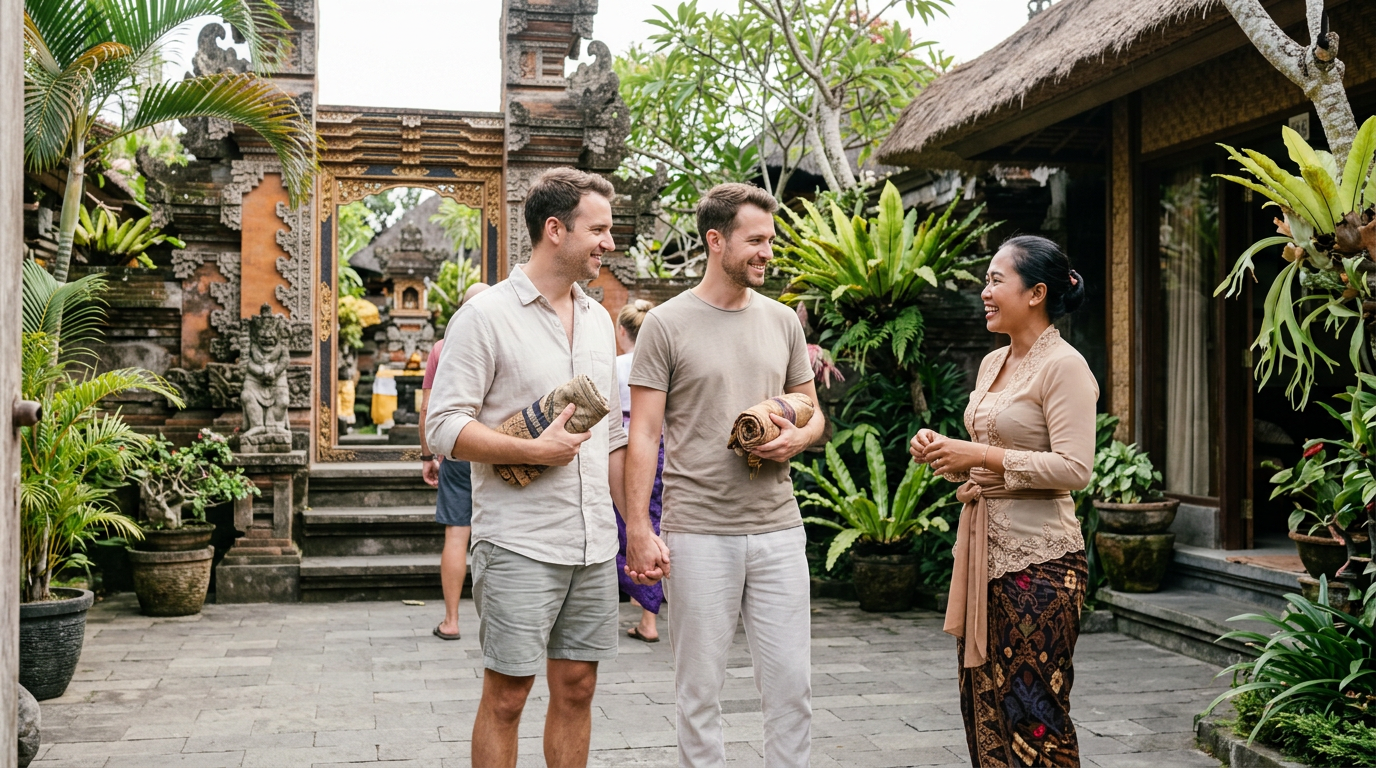
Is homosexuality allowed in Bali?
Bali is often described as more relaxed and welcoming than many other parts of Indonesian archipelago, yet the situation for same-sex couples and queer individuals combines legal ambiguity, local customs and pragmatic tolerance. This article outlines the legal context, offers practical safety guidance, and explains how local attitudes and cultural life shape everyday experiences on the island.
Legal status of same-sex relations in Bali and Indonesia
At the national level consensual same-sex sexual activity is not explicitly criminalized under Indonesia’s central criminal law. That absence of penal provisions does not mean formal recognition exists: there is no legal framework for same-sex marriage, civil unions or joint adoption, and there are no comprehensive nationwide protections against discrimination based on sexual orientation.
Local autonomy means treatment varies between regions. The province of Aceh enforces Islamic criminal law, which penalizes same-sex acts with fines, caning and other punishments. Several districts elsewhere have passed local regulations aimed at moral behaviour that have been applied in ways that put lesbian, gay, bisexual and transgender people at legal risk. Enforcement is uneven and often depends on local political priorities.
Recent legal and political developments have added concerns for same-sex couples and activists. A revised criminal code approved in 2022 includes provisions penalizing sex outside formal marriage that could be used against unmarried couples, including same-sex partners. Public statements from officials and episodic police scrutiny and raids contribute to a climate where legal risk coexists with social stigma, even in places that feel more accepting.
In practice Bali is socially more tolerant than many parts of the country and same-sex couples encounter fewer legal confrontations there than in hardline jurisdictions. Still, the formal legal picture remains unchanged: no recognition and limited protections, which means vulnerability to discrimination and arbitrary enforcement. Given this legal backdrop, travellers and residents should be aware of these limits while engaging respectfully with local norms and seeking local advice when needed.
Safety and practical advice for LGBTQ+ travellers in Bali
Bali offers a generally welcoming atmosphere in many tourist areas, yet legal uncertainties and local sensitivities remain. To be clear, this section uses the term LGBTQ+ (lesbian, gay, bisexual, transgender, queer and others) to refer to a broad range of identities discussed in the article. Being informed and cautious helps you enjoy the island while reducing the chance of uncomfortable encounters.
Plan practical details before you travel and during your stay. Simple measures such as choosing accommodation in central neighbourhoods and keeping copies of important documents make a big difference in everyday security.
- Public behaviour and dress Avoid overt public displays of affection in temples and village ceremonies and dress modestly when visiting sacred sites. In beach clubs and popular nightlife areas people are more relaxed, but discretion is still wise in less touristy neighbourhoods.
- Accommodation and room sharing Many hotels and villas welcome same-sex couples, but small guesthouses may be conservative, so confirm booking policies in advance. Keep your passport locked in a safe and carry a photocopy or secure digital image instead of the original when exploring.
- Meeting people and social spaces Use established venues and meet new people in public places for the first few times to assess comfort and safety. Share your plans with a friend and consider setting a check-in time when meeting someone new.
- Interactions with authorities If stopped by police remain calm and polite and present identification when requested. If you feel your rights are under threat, request consular assistance and document the encounter as soon as possible.
- Health and support Locate trusted clinics in Denpasar and Seminyak and ensure your travel insurance covers medical needs and evacuation. Bring essential medication in original packaging and carry contact details for local support networks where available.
With sensible precautions Bali can be an enjoyable destination for LGBTQ+ travellers. Beyond these practical steps, it helps to understand how local attitudes shape everyday life on the island before deciding where to spend time.
Bali's local attitudes and public opinion toward LGBTQ+ people
Bali presents a complex social picture where public opinion varies by location, age and social circle. Visitors often notice a contrast between the relaxed atmosphere in tourist hubs and the more reserved attitudes in traditional villages. Understanding these nuances helps set realistic expectations and encourages respectful engagement.
Urban acceptance and tourist zones
In Denpasar, Seminyak, Canggu and parts of Ubud visibility and acceptance are higher because of international visitors, creative industries and hospitality businesses. Nightlife venues, beach clubs and many guesthouses are accustomed to gay couples and queer travellers; interactions there tend to be casual and accepting.
Traditional values and religious life
Bali's predominant form of Hindu practice emphasizes community harmony, ritual propriety and respect for local customs. That cultural framework often translates into tolerance expressed as discretion rather than vocal advocacy. Open displays that challenge community norms at ceremonies or temple areas can prompt social discomfort, so many locals expect visitors to be mindful of dress and behaviour.
Generational change and community voices
Younger Balinese who work in tourism, the arts and digital sectors are generally more open and connected to global conversations about gender and sexuality. Local activists, small community groups and sympathetic health providers quietly support LGBTQ+ people, though public campaigning remains cautious given national political sensitivities. Social media has become an important space for younger people to share experiences and build networks.
Overall public opinion in Bali leans toward pragmatic tolerance in many public spaces while remaining shaped by traditional expectations and national politics. For visitors and residents alike, the safest approach is to seek out welcoming venues, respect local customs and listen to local community perspectives when navigating sensitive situations. This leads naturally to how cultural and religious life influences tolerance more broadly.
How Bali's cultural and religious context shapes tolerance
Bali's social fabric is woven from ritual practice, village customs and a strong emphasis on community harmony. These cultural threads influence how difference is perceived and negotiated, producing a form of tolerance that is practical and situational rather than legal or ideological. Understanding local frameworks helps explain why Bali often feels more welcoming than other regions.
Religious practice and ritual inclusivity
Balinese Hinduism focuses on ritual balance and the upkeep of communal life. Temples and ceremonies are central to identity and social order, and participants are expected to show respect for ritual norms. This focus on propriety fosters an atmosphere of quiet acceptance where people are judged by adherence to ceremony and courtesy rather than private relationships.
Customary institutions and community harmony
Village councils called banjar and customary authorities known as desa adat prioritise cohesion and mutual respect. Conflict resolution tends to emphasise mediation and restoring social balance, which can protect individuals in everyday interactions. At the same time these institutions uphold conservative expectations, so tolerance often means discretion rather than public advocacy.
Tourism economy and cultural exchange
Longstanding contact with international visitors and creative industries has introduced more visible queer spaces in towns and beaches. The tourism economy encourages hospitality and pragmatic openness in many urban areas, creating pockets of visible acceptance while leaving traditional zones relatively unchanged.
In short, Bali's tolerance is shaped by ritual priorities, communal governance and economic exchange. It is stable enough to offer safety and visibility in many settings yet bounded by local norms that reward discretion and respect for sacred life. With that cultural context in mind, it helps to know where to find supportive venues and services on the island.
Access to LGBTQ+ venues events and supportive services
Finding LGBTQ+ friendly venues, events and support services in Bali is easiest in urban centres where tourism and creative communities intersect. Knowing where to look and what to expect helps you connect with social spaces, health providers and discreet community networks while respecting local norms. This section uses NGO (non-governmental organization) when referring to community organisations that provide services and support.
Where venues and events are most visible
Seminyak, Canggu and parts of Ubud host the highest concentration of inclusive bars, clubs and themed nights that welcome queer guests. These areas tend to have regular weekly events, film nights, drag performances and occasional community fundraisers that attract both locals and visitors.
Smaller towns and village areas are quieter and less visible but may offer occasional pop-up events or private gatherings. Event timing shifts with the season and festivals, so checking ahead is important.
- Nightlife and social venues Stick to established venues with steady reputations and staff who understand diverse guests. Visit earlier in the night to assess the atmosphere and avoid isolated places late alone.
- Community organisations and health services Look for trusted clinics in Denpasar and larger towns for sexual health services and friendly counselling. Local NGO (non-governmental organization) groups and sympathetic health providers can offer confidential support and referrals when needed.
- Finding events and networks Community noticeboards, social media groups and local hospitality staff provide the most up-to-date information about meetups, workshops and private events. BalivillaHub listings and local community pages are useful starting points to discover vetted options.
By focusing on reputable venues, using local guidance and preparing basic safety plans you can enjoy Bali's queer-friendly offerings while minimising risk. Stay flexible, respect local customs and reach out to community contacts when you need additional support. For travellers looking for vetted accommodation and local recommendations, consider checking https://www.balivillahub.com/en for curated listings and practical information to help plan a respectful and enjoyable stay.