Is it safe to swim in Bali?
Bali Villa Hub
3/5/2026
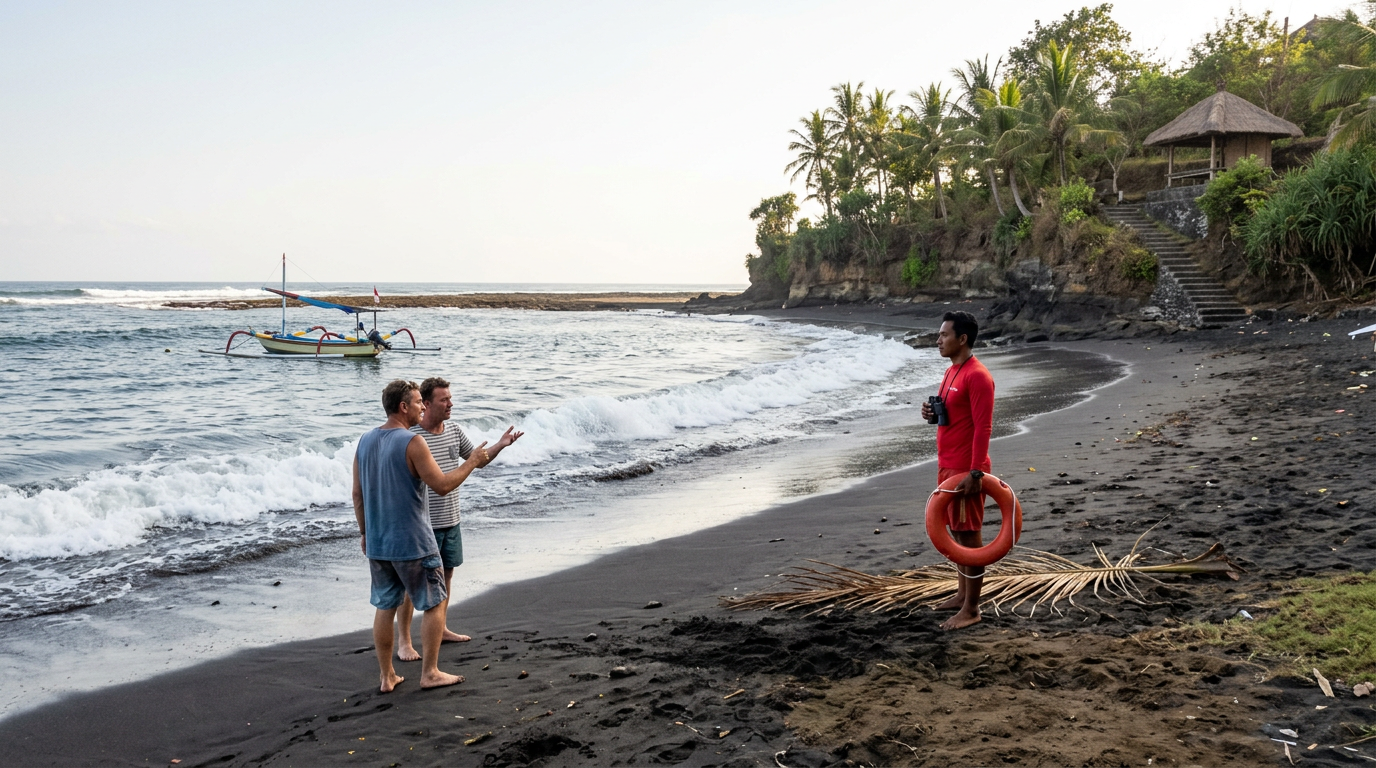
Is it safe to swim in Bali?
Bali’s beaches are among the island’s greatest draws: warm water, clear visibility and dramatic coastlines. Yet the same seas that tempt swimmers can be unpredictable. With a little knowledge about local conditions and sensible precautions, you can enjoy Bali’s water activities while minimizing risk. This guide explains the most important hazards, how to spot them, and practical steps to stay safe.
Understanding rip currents and how to recognize them
Rip currents are powerful, narrow flows of water that move from the surf zone straight out to sea. They form where incoming waves return to deeper water through gaps in sandbars or around reef features and can pull an unwary swimmer away from shore faster than expected. Typical rip channels measure roughly 10–30 meters wide and can reach speeds up to about 2.5 meters per second, which is faster than many recreational swimmers can sustain.
- Calm or discolored water moving seaward — a patch that looks darker or less choppy than surrounding areas may be a rip channel and often carries foam or debris out to sea.
- Breaks in the incoming wave pattern — where waves stop breaking in a narrow strip you may see water streaming back out through that gap, signaling a return flow.
- Lines of foam or seaweed heading straight out — floating material moving directly seaward rather than drifting sideways with the wind is a clear cue.
- Narrow channel between breaking waves — if waves break on both sides of a narrow opening but not over that opening, the current there is likely stronger.
- Sudden drop in water level near your feet — feeling a distinct outward pull or noticing drawdown in the surf is a warning to avoid the area.
If you find yourself caught in a rip, remain calm and conserve energy. Do not attempt to swim directly back to shore against the current. Instead, float or tread water and swim parallel to shore for 20–50 meters until you are out of the flow, then angle back toward the beach. Before entering the sea, take a few minutes to scan the surf for these signs and choose areas with lifeguards or marked safe zones. Awareness is the best prevention and will keep your time in Bali both safe and enjoyable.
With rip currents in mind, the next step is understanding how different types of waves and surf behavior create additional hazards.
Identifying hazardous waves and smart water behavior
Waves that look inviting can hide serious risks. Recognizing visual and audible signs of dangerous surf and adopting deliberate water behavior will reduce the chance of injury or the need for rescue.
Types of hazardous waves
Shore break occurs when waves steepen and collapse directly onto shallow sand or reef, which can throw a person forward into the seabed and cause head or spinal injuries. Plunging sets and long-period swell carry extra energy and can deliver sudden large waves with little warning. Waves breaking over shallow reef produce concentrated impact in a small area, posing particular danger to swimmers and bodyboarders.
How to read the surf before entering
Spend several minutes watching the lineup from a safe vantage point. Look for steep faces and loud, explosive breaking, which indicate stronger impact zones. Note whether waves arrive in predictable sets or if occasional larger waves appear at intervals. Check where waves are breaking relative to the shore and avoid spots where water funnels through narrow gaps between reefs or sandbars.
Smart behavior in the water
Enter feet first and only when the surf is breaking gently at your chosen spot. Keep children and less experienced swimmers within arm’s reach and stay within sight of a lifeguard when possible. If you are knocked over or feel a strong push, protect your head with your arms and try to relax until the turbulence subsides. Avoid diving headfirst and do not swim after consuming alcohol. When unsure, choose a calmer beach or ask local authorities for guidance so your visit remains safe and enjoyable.
Knowing how to interpret the surf naturally leads into choosing the safest beaches and swim spots that match your experience level.
Best beaches and spots to swim safely in Bali
Bali offers exposed surf and sheltered bays; selecting the right spot makes a big difference. Look for beaches with natural protection from reefs or headlands and those monitored by lifeguards. The recommendations below focus on predictable conditions, clear water and easy access for families and less experienced swimmers.
Gentle sheltered beaches in the south
Sanur features a long fringing reef that breaks most waves offshore, creating calm, waist-deep water ideal for children and casual swimmers. Nusa Dua has a managed white-sand bay with a gradual slope and often marked swim zones that reduce exposure to strong currents. Jimbaran Bay is shallow and typically protected at low tide, making it suitable for wading and gentle swimming near the shore.
Calm bays on the east and north coasts
Amed and Tulamben on the east coast offer sheltered coves and clear water that are excellent for snorkeling and relaxed swimming; Tulamben’s shallow wreck is often reachable from the beach with minimal current in the mornings. In the northwest, Pemuteran and the Menjangan area present very calm water and excellent visibility because reefs block open-sea swell, making them top choices for safe snorkeling and leisurely swims.
Managed beaches and flagged swim areas
Whenever possible choose beaches with visible flags and on-duty lifeguards. Even lifeguarded beaches can experience strong surf, so always swim between the flags and follow posted guidance. Prefer bays with a gradual seabed slope to reduce sudden drop-offs, and avoid crowded surf breaks for casual swimming.
Plan swims for calm mornings, check the flag system and ask a lifeguard about recent conditions. Swim with a partner, stay hydrated and avoid alcohol. These simple habits will help you enjoy Bali’s best beaches with confidence.
After picking the right beach, be aware that reefs and underwater terrain introduce another set of hazards to watch for.
Hidden reef hazards and underwater risks to watch for
Reefs are beautiful but conceal sharp and sometimes dangerous surprises under the surface. Hard coral can slice skin and embed fragments that are difficult to remove and prone to infection if not cleaned promptly. Sea urchins hide in crevices and produce fine spines that puncture feet easily when wading; such punctures can be deep and may require medical removal. Venomous animals like stonefish and lionfish rest motionless on the reef and sting when disturbed, producing intense pain and swelling that often requires prompt care. Moray eels and other sheltering fish can bite if provoked or if you reach into holes. Sudden reef ledges and uneven seabeds create unexpected drops that can throw a swimmer into rock or coral with enough force to cause head or spinal injury. Strong surge over shallow reef can drive a swimmer into sharp structures and trap limbs beneath overturned rocks. Additional unseen hazards include abandoned fishing line and nets that can entangle fins, propeller scars and jagged rubble from past storms.
To reduce risk: wear flexible reef shoes and consider a flotation aid for longer swims; enter and exit at sandy access points rather than stepping on coral; keep feet off the bottom when snorkeling and maintain neutral buoyancy to avoid contact; avoid reef areas at low tide when hazards are exposed and visibility is poor; carry a small first aid kit capable of flushing wounds and applying a sterile dressing; and keep tetanus immunization current. If stung by a venomous species, immerse the wound in hot water where available and seek immediate medical attention for severe reactions. Observant, respectful behavior and timely care will prevent most reef incidents and keep your time in Bali safe and enjoyable.
Whether you plan to snorkel from shore or join an organized trip, it’s also important to follow safe practices when traveling by boat.
Staying safe on boats and during sea tours
Boat trips and sea tours are a highlight of visiting Bali but require practical preparation and attentive behavior. A clear briefing from the operator together with a personal checklist will reduce risk and help you enjoy the excursion, whether it is a short island hop or a full-day charter.
Before you board and while underway
Confirm the vessel carries life jackets for every passenger and that sizes are suitable for children. Check that the guide or skipper provides a safety briefing covering where life jackets are stored, how to use the ladder and what to do in an emergency. Ask about the planned route, expected sea conditions and the location of first aid supplies and communication equipment. If you are prone to seasickness, mention it before departure and position yourself midship where motion is least noticeable.
- Use life jackets consistently — even good swimmers should wear a life jacket for transfers and when weather or sea state worsens because floats conserve energy and aid rescuers.
- Stay clear of engines and propellers — enter and exit the water from designated swim platforms and only when the engine is stopped and the crew confirms it is safe.
- Limit alcohol and keep hydrated — alcohol reduces balance and decision-making while increasing dehydration risk in tropical heat, so pace consumption and drink water regularly.
Follow the crew’s instructions, carry a small dry bag for essentials and plan for sun protection and sudden weather changes. Practical choices and calm behavior will keep your sea tour comfortable, safe and memorable.
When planning where to stay or which beaches to visit, consider accommodations that place you close to calmer, lifeguarded spots. For trusted villa listings near popular and sheltered beaches, see https://www.balivillahub.com/en which can help you find a convenient base for safe water activities.
With careful observation, respect for the sea and basic precautions, swimming and snorkeling in Bali can be both safe and rewarding. Enjoy the water, stay aware, and prioritize safety on every visit.