Is there any Michelin star in Bali?
Bali Villa Hub
3/7/2026
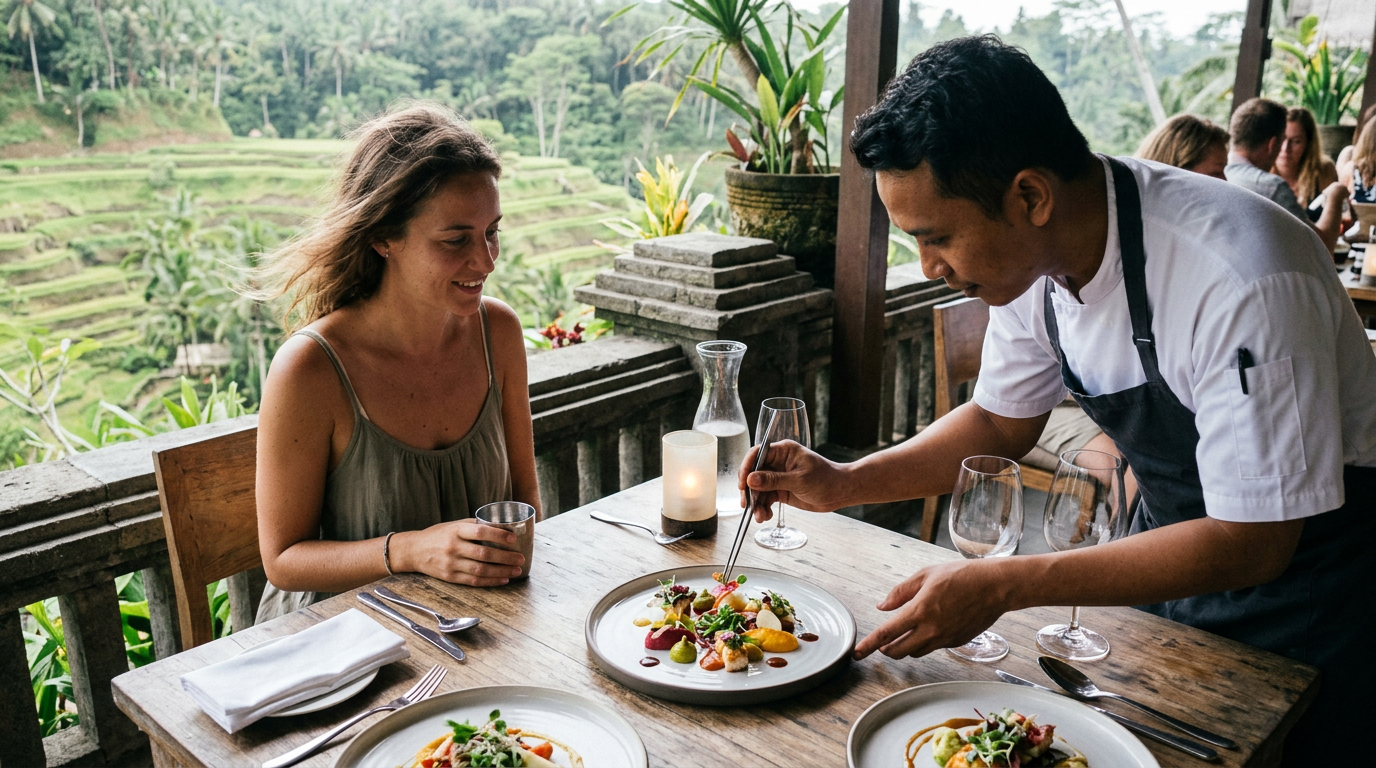
Is there any Michelin star in Bali?
Bali's dining scene has evolved dramatically over recent years, raising the question many travellers and food lovers ask: are there any Michelin-starred restaurants on the island? This article unpacks what a Michelin star actually signifies, why Indonesia and Bali have yet to appear in the Guide, which venues match Michelin-level standards locally, and how to enjoy that calibre of dining during your visit.
What does a Michelin star actually mean for restaurants?
Michelin stars represent more than a decorative plaque: they are an internationally recognised shorthand for culinary excellence, awarded after anonymous inspections focused on ingredients, technique, consistency and the personality of the chef.
Beyond culinary merit, a star shapes expectations across service, kitchen organisation and the overall dining experience. Earning a star increases public attention and places a restaurant under sustained scrutiny from both critics and regular guests.
- Recognition and credibility A star validates a restaurant on a global stage and signals to diners that the kitchen meets a widely accepted benchmark of excellence.
- Business impact Stars often drive higher demand; reservations fill faster and restaurants gain pricing power that can reshape revenue and long-term planning.
- Operational pressure Maintaining a star requires relentless consistency, influencing sourcing, staff training and service rituals every day.
- Creative validation For chefs, a star acknowledges creative vision and technical skill, opening doors to collaborations and wider recognition.
- Guest expectations Diners arrive expecting precision, atmosphere and memorable flavours, which affects menu composition and front-of-house presentation.
In short, a Michelin star is both an accolade and a covenant: it rewards excellence while demanding that excellence be delivered reliably. Understanding these criteria helps explain why some outstanding restaurants may still fall outside the Guide's scope.
Why Indonesia and Bali still have no Michelin-starred restaurants
The absence of Michelin-starred restaurants in Indonesia reflects a mix of practical reasons and different culinary traditions, rather than a lack of talent. First, the Michelin Guide has not launched an Indonesia edition, so local dining scenes have not been assessed under the Guide protocol. Appearing in the Guide requires a sustained presence by anonymous inspectors and a logistical and strategic case for the guide to operate in a country, which typically follows regional demand and market concentration.
Beyond that structural barrier are concrete challenges that affect eligibility and visibility. Many island fine-dining rooms rely on highly seasonal local produce and menus that change daily, which makes the consistency Michelin expects harder to document. High staff turnover and diverse service models contribute to variable guest experiences from one visit to the next. Bali’s business models often balance tourism-driven seat turnover with experiential offerings rather than fixed tasting menus and strict service choreography, so the guest expectations Michelin measures do not always align with local operations. Regulatory and administrative hurdles—such as licensing and import rules for specialty ingredients—can limit reproducible techniques inspectors might seek. Language and menu standardisation also play a role, since clarity about provenance, technique and pairings is part of the assessment.
All of these factors mean Bali hosts many restaurants that are Michelin-calibre in creativity and execution yet remain outside the Guide system. As the island continues to professionalise supply chains, refine service standards and attract sustained critical attention, the path to Michelin recognition becomes clearer; until an official Guide arrives, the stars remain out of reach.
Top Michelin-level restaurants in Bali you should try
Although Bali has no official Michelin listings, the island offers venues that match the precision, creativity and service usually associated with Michelin dining. Below are three distinct categories where you can expect refined tasting menus, exacting technique and memorable presentations that rival top global tables.
Refined tasting menu kitchens in Ubud
In the cultural heart of the island, chefs focus on seasonal local produce served as multi-course tasting menus. Expect artful plating, layered textures, and carefully staged progressions from palate cleanser to signature dessert. Many kitchens pair modern European technique with Indonesian ingredients such as young coconut, wild herbs and regional spices.
Contemporary coastal and urban fine dining in Seminyak and Canggu
Near the coast, the scene shifts toward bold flavours and theatrical service. Restaurants here blend smoke and char techniques with elegant composition and curated beverage lists. Reserve ahead for sunset seatings and request chef-recommended pairings to appreciate how a single ingredient can be explored across several small courses.
Intimate omakase and chef table experiences across the island
For the most concentrated attention, seek out small counter seating where the chef serves directly. These intimate formats put technique and timing on display and often use premium seafood or aged proteins. Expect strict reservation policies and tasting menus that adapt to what is freshest that day.
Choosing the right spot comes down to format and tempo. If you want personalised help finding and booking the best table for a special evening, reliable local services can guide you to venues that deliver Michelin-level standards without official stars. Reserve early and mention any dietary needs to ensure a flawless meal.
Why Mozaic is viewed as Michelin-caliber dining in Bali
Mozaic is frequently cited by chefs and diners as the benchmark for refined dining in Ubud. The restaurant blends disciplined technique with a strong sense of place, producing a tasting experience that feels like a conversation between French culinary training and Indonesian ingredients.
Culinary craft and ingredient mastery
The kitchen emphasises precise technique and ingredient integrity. Chefs work with seasonal produce from Bali and nearby islands, apply classic sauces and modern methods such as gentle reductions and controlled smoking, and highlight texture and balance in every course. The result is dishes that demonstrate both technical skill and deep knowledge of local flavours.
Consistency, service and dining choreography
Service at Mozaic is deliberate and polished. Staff present courses with timing that preserves temperature and aroma, while sommeliers offer thoughtful pairings that elevate rather than overwhelm the food. That steady execution across nights mirrors the reliability Michelin inspectors look for.
Ambience, innovation and lasting reputation
Set in an intimate garden villa, the dining room supports focused tasting menus that unfold naturally. The chef evolves the menu regularly while maintaining signature themes, so returning guests find familiarity alongside new discoveries. Decades of refinement have built a reputation for culinary leadership in Bali.
Taken together, Mozaic demonstrates the hallmarks of Michelin-calibre dining: exacting technique, consistent service and a distinct culinary personality rooted in locality. If Mozaic sounds like the experience you seek, it is representative of the high standard available on the island and worth prioritising when planning a special evening.
How to enjoy a Michelin-style dining experience in Bali
If you want a Michelin-style evening in Bali, focus on intent and detail rather than labels. The goal is a coherent multi-course progression, attentive service and ingredients presented with clarity. With sensible planning you can find meals that deliver technical skill, thoughtful pairings and memorable presentation.
Prepare like a tasting menu guest
Reserve at least two weeks ahead for popular venues and up to a month for chef-table seating on weekends. Specify that you prefer the tasting menu and note any allergies or strong dislikes when booking so the kitchen can plan substitutions that preserve the flow.
Set aside two to three hours and arrive on time so course timing remains consistent. Dress smart casual to match the room and switch your phone to silent to keep the experience focused.
- Choose the tasting menu The fixed menu shows the chef’s narrative and technical range. Pair with a curated beverage option or a non-alcohol pairing to see how flavours are elevated.
- Communicate dietary needs early Give clear details at booking and reconfirm 48 hours before service so chefs have time to source alternatives that maintain balance and presentation.
- Pick your seat wisely Counter seating suits intimate omakase-style service while a table near the pass works for plated tasting menus. Where you sit affects aroma, temperature and theatre.
- Respect pacing and presentation Allow staff to set the rhythm and taste each course without hurrying. Precision in timing is central to Michelin-style enjoyment.
Together, these steps let you experience Bali’s finest kitchens at their best. For assistance with reservations or crafting a special evening—including help finding the right dining venue and coordinating logistics—visit https://www.balivillahub.com/en to explore options and book with confidence.