Most Common Crimes in Bali Explained for Travelers
Bali Villa Hub
3/15/2026
Most Common Crimes in Bali Explained for Travelers
Bali attracts millions of visitors each year with its beaches, culture, and relaxed pace. While most trips pass without incident, it helps to know the common crime patterns so you can travel more confidently and avoid predictable risks. This guide summarises what to watch for, practical prevention steps, and what to do if something happens—so you can focus on enjoying the island.
Overview of local crime patterns in Bali
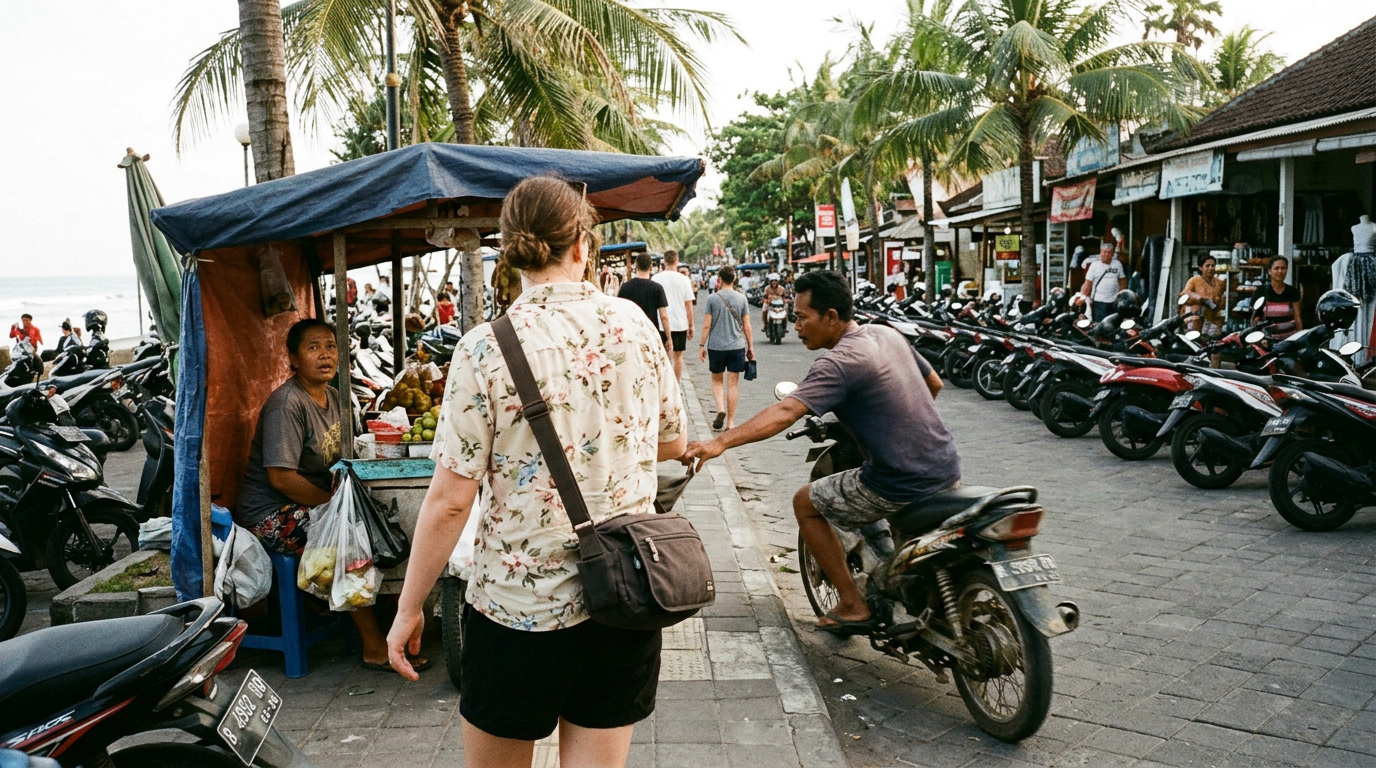
Bali is generally safer than many large urban centres but it also displays recurring, predictable crime patterns that travellers should understand. Petty theft is the most frequent issue reported by visitors and locals alike. Incidents cluster in high-footfall areas such as Kuta, Seminyak, Canggu and Ubud, and at busy beaches and market zones where crowds create cover for opportunistic thieves.
Typical theft methods include pickpocketing in crowded spaces, purse and phone snatches from beach towels, and rapid bag grabbing at traffic lights. Motorbike theft often occurs overnight from unsecured parking outside guesthouses and villas, with incidents rising during holiday weekends and public holidays when streets are busier and enforcement resources are stretched.
Scams and fraud also follow clear patterns: attempts to overcharge for transport, dubious currency exchanges and pressure sales for tours or goods that underdeliver are common. Alcohol-related altercations are the main source of violence affecting tourists and usually occur late at night in nightlife districts rather than in residential neighbourhoods. Drug offences are enforced strictly and carry severe penalties, with regular police operations in known hotspots.
Overall the picture is practical rather than alarming: keep valuables out of sight, lock motorbikes when not in use and choose daytime routes in unfamiliar areas. If you become a victim, report the matter to the nearest police station and retain receipts or photos as evidence. Understanding these local patterns helps visitors reduce risk and enjoy Bali with greater confidence.
With that context covered, the next section looks at the single most commonly reported offence for travellers.
Petty theft and pickpocketing the most reported offenses
Petty theft is the single most common crime visitors encounter in Bali and is usually opportunistic rather than organised. Incidents are reported daily in busy tourist zones and anywhere people gather, such as markets, beaches, transport hubs and popular dining streets.
Thieves target small, high-value items that are easy to remove and sell quickly. Mobile phones, wallets, passports and loose cash are the primary targets—often only a few seconds of distraction are needed.
- Beach snatch thefts occur when belongings are left unattended on sand or near sun loungers and can be grabbed while owners swim or stroll.
- Pickpocketing in crowds happens at markets, festivals and busy shop fronts where close contact conceals a hand slipping into a pocket or bag compartment.
- Bag grabs from scooters take place at traffic stops and on sidewalks where a passenger or rider pulls a strap and runs before the owner can react.
- Room and villa thefts often involve unlocked doors or visible valuables left in plain view—secure luggage and use in-room safes when available.
- Motorbike theft is common overnight from informal parking areas, so always use a heavy-duty lock and park in well-lit, supervised spots.
Prevention is straightforward: keep valuables out of sight, use a neck or waist wallet, choose bags with secure zips and avoid carrying your passport unless strictly necessary. If targeted, remain calm, document the loss with photos and report to the nearest police station for an official report to support replacements and insurance claims.
After petty theft, scams are the next frequent nuisance for travellers—understanding common tactics helps you avoid them.
How scams commonly target tourists in Bali
Scams aimed at visitors in Bali are often low-tech and highly opportunistic. Scammers rely on distraction, confidence tricks and quick interventions in crowded or unfamiliar settings. Knowing the familiar patterns makes it easier to spot a setup before it becomes a problem.
Transport and taxi scams
Drivers may quote inflated fares, refuse to use the meter or claim the meter is broken. At busy points like the airport or popular beaches, some offer fixed rates that are two to three times the normal price. Another trick is a driver who says they will take you to an attraction but instead delivers you to a vendor who pays a commission.
Always agree the price before you travel or insist on a metered trip when available. Take a photo of the vehicle plate and driver ID if you feel uncertain and keep small notes ready so you do not need to show large amounts of cash.
Currency and payment deception
Money exchange scams include receiving short-changed bills or being offered rates that appear good but include hidden fees. Card skimming at ATMs has occurred; withdraw cash from inside bank branches where possible. Fraudulent QR (quick response) codes and false payment links are emerging in markets and online platforms.
Use well-lit official exchange counters and check bills carefully. Withdraw cash from bank ATM (automated teller machine) inside branches and cover your PIN. When paying by card, verify the terminal and request the machine remain in sight while the transaction is processed.
Tour ticket and accommodation cons
Sellers sometimes advertise tours or villa rentals that do not exist or that differ drastically from the description. Pressure sales tactics and requests for full cash payments up front are red flags. Fake tickets for boat trips, attractions and cultural performances are frequently offered at busy stalls.
Book through verified providers recommended by your accommodation and insist on written confirmation and a receipt. If something feels rushed, pause and consult a trusted local or your host before handing over money.
Recognising these patterns reduces risk considerably. If targeted, stay calm, document what happened and report the incident to local authorities to help protect other travellers.
Next, consider risks from local traffic and scooter use, which are closely linked to theft and accidents.
Scooter and traffic safety risks including theft and accidents
Scooters are the primary way visitors get around Bali and they present two linked risks: theft and crashes. Always carry an IDP (International Driving Permit) together with your national driving licence when riding, and wear a full-face or open-face helmet that fits snugly; both driver and passenger should wear helmets at all times. Inspect any rental scooter before you accept it—check brakes, lights and tyres—and photograph the vehicle from all sides with the odometer visible so you have a clear record of condition and plate number. Park only in supervised or well-lit areas, remove the key and do not leave bags or valuables on the seat; when possible use a disc lock plus a heavy chain secured to an immovable object. If a scooter is taken, report it immediately to the rental company and local police and provide your rental agreement and photos to speed recovery and support any insurance claim.
Road conditions and local driving habits increase crash risk, so adapt your riding style. Drive on the left side of the road, keep speeds below 40 km per hour in town and below 60 km per hour on rural roads, reduce speed in rain and at night, and allow extra space for braking because potholes and sudden stops are common. Avoid riding after drinking alcohol and do not carry more than one passenger unless the scooter is rated for two people. If you are involved in an accident, move to a safe position, photograph all vehicles and the scene, exchange contact and insurance details, and obtain a police report before leaving. These practical steps reduce both theft and accident exposure and make resolving incidents far easier.
Having covered transport and theft risks, the final section focuses on staying safe at night and in busy streets.
Nightlife and street safety tips to avoid crime
Nights in Bali can be lively and safe when you plan ahead and stay aware of your surroundings. Keep to well-lit streets and busy venues, trust your instincts about people who approach you, and avoid carrying items that are unnecessary for an evening out. Simple precautions reduce most common risks and let you enjoy the night with confidence.
Practical Tips for Safe Nights Out
Agree on meeting points with your group before going out and share a clear destination with your accommodation host so someone knows your plans. Limit alcohol intake and avoid accepting drinks from strangers; if you leave your drink unattended, get a fresh one from trusted staff. Keep a charged phone in a zipped pocket and make a quick photo of any documents you bring so replacements are faster if something is lost.
- Keep valuables secure in a hidden pouch or inside a zipped bag rather than back pockets or open totes to prevent snatch theft.
- Use licensed taxis or prebooked rides from a trusted provider when travelling late at night. Note the vehicle plate and driver name before you enter and share your live route with a friend.
- Walk in groups along main roads and avoid shortcuts through alleys or poorly lit side streets. If you need to split up, choose a well-trafficked route and arrange a clear check-in time.
If an incident occurs, move to a safe place, get help from venue staff and report to local police as soon as possible. Following these measures keeps most nights trouble-free and means you can focus on the experience rather than the risk.
For travellers seeking secure, vetted accommodation and local guidance while in Bali, consider browsing https://www.balivillahub.com/en for villa options and assistance—many hosts can also offer practical local safety tips. Travel prepared, stay aware, and enjoy your time on the island.