Most Common Food Poisoning in Bali and How to Spot It
Bali Villa Hub
3/15/2026
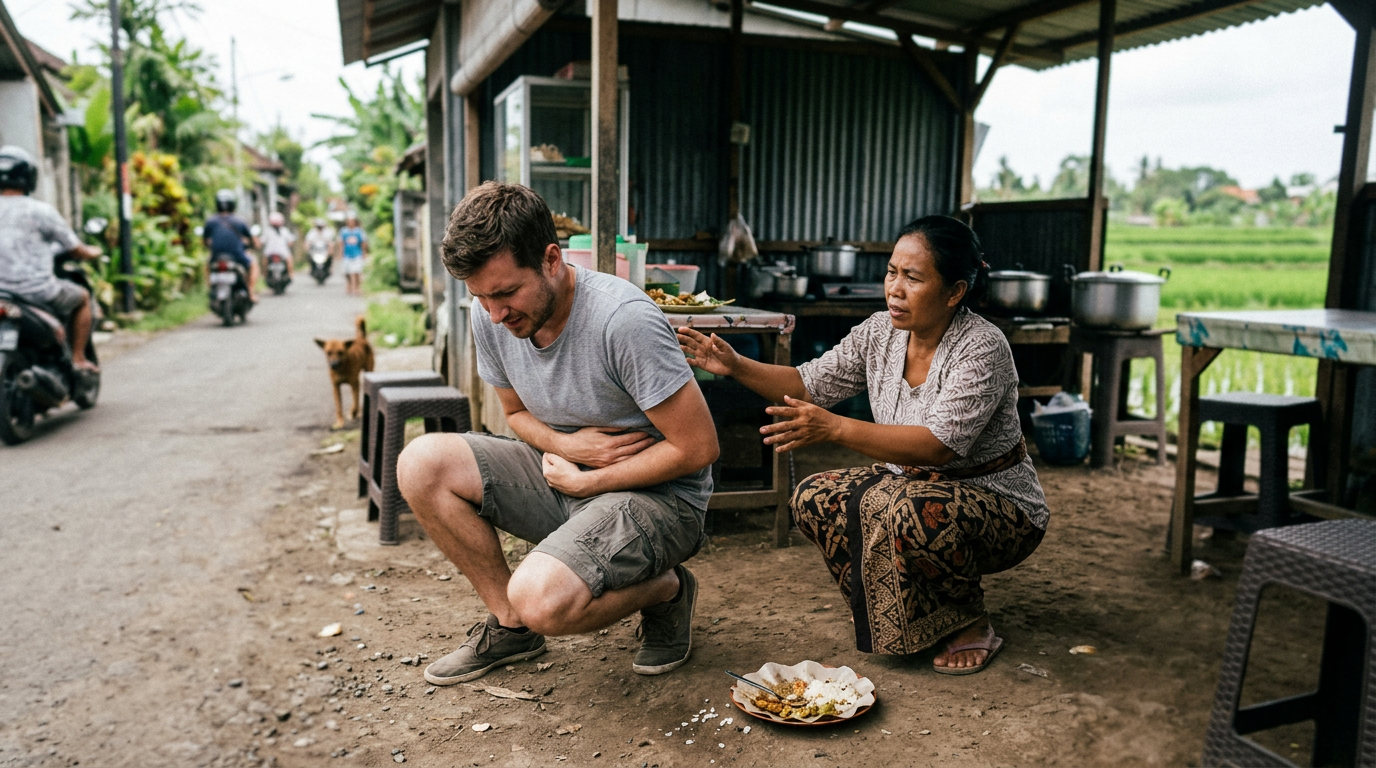
Most Common Food Poisoning in Bali and How to Spot It
Travelling in Bali is a highlight for many, but an unexpected bout of stomach illness can quickly turn a great trip sour. This guide explains the most common form of food poisoning known locally as Bali belly, helps you recognise the warning signs, outlines typical recovery times, and offers practical treatment and prevention measures so you can stay healthy and enjoy your visit.
What Bali belly is and what usually causes it
Bali belly is a common informal term used by visitors to describe sudden stomach upset after eating or drinking while in Bali. It typically refers to infectious diarrhoea and related symptoms that begin within hours to a few days after exposure and can disrupt travel plans.
What Bali belly means
At its core Bali belly is traveller's diarrhoea triggered by microbes that irritate the gut. Typical features include watery stools, cramping, nausea and sometimes a low‑grade fever. Severity ranges from mild inconvenience to dehydration that may require medical care.
Main infectious causes
Bacterial agents are the most frequent culprits, with enterotoxigenic Escherichia coli often responsible for classic traveller's diarrhoea. Other bacteria such as Campylobacter and Salmonella, or viral agents such as norovirus, can produce a similar illness. Parasitic organisms like Giardia may cause longer lasting symptoms and commonly appear when water or uncooked foods are contaminated.
Environmental and food handling factors
Risk increases when food is prepared in warm conditions without consistent refrigeration or when water used for washing produce or making ice is not safe. Street food can be safe when cooked hot and eaten fresh, but risks rise with raw salads, unpeeled fruit, and vendors who do not maintain hygiene. Poor hand hygiene by food handlers and contaminated kitchen surfaces are frequent contributors.
Understanding that Bali belly is infection-driven helps travellers make specific choices about what to eat and drink; the next section explains how to recognise when you may have contracted it.
Key symptoms that indicate food poisoning in Bali
Food poisoning while visiting Bali often begins suddenly and can range from mild discomfort to a medical emergency. Early recognition of typical signs helps you decide whether simple self‑care will suffice or if professional care is needed.
Symptoms commonly appear within a few hours to a few days after consuming contaminated items and vary by the responsible organism. Monitor changes closely, especially if symptoms worsen quickly or do not improve within a short time.
- Watery diarrhoea is the most frequent symptom and may be frequent and urgent, sometimes leading to loss of control over bowel movements. Blood in stools is less common but requires prompt medical assessment.
- Nausea and vomiting can begin suddenly and prevent keeping food or fluids down, increasing the risk of dehydration. Repeated vomiting for several hours is a clear sign to seek help.
- Abdominal pain and cramps are typical and often centre around the lower belly, with sharp spasms that come and go. Severe or localised pain should not be ignored, as it can indicate a more serious infection.
- Fever and chills may accompany an infection and suggest the body is mounting an immune response. A persistent high fever signals the need for medical evaluation and possible treatment.
- Signs of dehydration include dry mouth, reduced urine output, dizziness when standing and extreme fatigue. Dehydration can escalate quickly and may require supervised fluid replacement.
If you notice severe vomiting, bloody diarrhoea, high fever or clear signs of dehydration, seek medical care without delay. The next section outlines how long symptoms typically last and when to become concerned.
How long symptoms typically last and when to worry
Most cases of food poisoning in Bali resolve within a predictable timeframe depending on the cause and the traveller's overall health. Viral illnesses such as norovirus usually improve within 24 to 72 hours with rest and fluids. Bacterial infections from organisms like enterotoxigenic Escherichia coli commonly run their course in 48 to 72 hours but may persist up to a week in some people. Campylobacter and Salmonella infections often cause symptoms for five to seven days and sometimes longer. Parasitic infections such as Giardia tend to produce prolonged loose stools and fatigue lasting two weeks or more unless treated specifically.
You should start to feel measurable improvement within 48 hours of beginning rehydration and simple supportive care. Seek medical advice if diarrhoea or vomiting prevents you from keeping fluids down for more than 24 hours or if symptoms are not clearly better after 48 to 72 hours. Immediate assessment is required when you see blood in your stools, have a high fever greater than 38.5°C, become markedly weak or dizzy when standing, or produce very little urine despite drinking oral fluids. Young children, elderly people, pregnant women and anyone with a compromised immune system should seek care earlier because dehydration and complications develop faster.
Severe localised abdominal pain, persistent high fever, repeated vomiting and evidence of systemic illness are reasons to attend a clinic or emergency services without delay. If symptoms linger beyond two weeks, request stool testing and targeted treatment for parasites or less common pathogens. Early rehydration, recognition of red flag signs and prompt local medical assessment will shorten recovery and reduce the risk of complications while you are away from home.
Knowing typical recovery times also helps you choose appropriate home care; the following section covers practical treatments you can use while staying in Bali.
Effective treatments and at-home care for Bali belly
Most mild cases can be managed safely where you are staying with timely fluids, rest and simple dietary changes. The goal is to prevent dehydration, control symptoms and know when professional care or testing is required.
Immediate first aid and rehydration
Begin sipping clear fluids at once. Prepare an ORS (oral rehydration solution) using one litre of clean water, six level teaspoons of sugar and half a level teaspoon of salt, and drink small, frequent mouthfuls. Sports drinks are acceptable when diluted to reduce sugar content. If vomiting is persistent, try small sips every few minutes and consider ice chips to maintain intake.
Medications and when to use them
Anti‑diarrhoeal medicine may relieve urgent loose stools in adults who do not have fever or blood in their stool; avoid these medicines when there is high fever or bloody diarrhoea. For severe symptoms a clinician may prescribe antibiotics targeted to the likely bacteria or antiparasitic treatment if testing indicates parasites. Probiotics containing Saccharomyces boulardii or specific Lactobacillus strains can shorten recovery when taken early but they do not replace rehydration or medical treatment in more serious cases.
Diet, rest and supportive measures
Rest and avoid heavy foods for 24 hours. Start with bland items such as plain rice, bananas, toast, boiled potatoes and clear soups. Avoid dairy, alcohol, caffeine, fatty and spicy foods until appetite and stools normalise. Maintain hand hygiene and clean utensils to reduce reinfection risk.
Seek medical attention promptly if you cannot keep fluids down for 24 hours, develop high fever, severe abdominal pain, bloody stools, ongoing dizziness or if vulnerable persons are affected. Early rehydration and sensible use of medicines help most travellers recover quickly and safely.
Clear prevention steps reduce the chance of needing treatment in the first place; the section below summarises practical ways to avoid Bali belly while you travel.
Proven prevention strategies to avoid Bali belly
Simple habits make the biggest difference when it comes to avoiding Bali belly. Focus on safe food and drink choices and on hygiene practices that prevent common pathogens from entering your digestive system.
Simple food and drink rules
Use only boiled, filtered or bottled water for drinking, brushing teeth and making ice. Avoid uncooked ingredients washed in tap water and skip ice in drinks unless you can confirm it is made from safe water.
Choose foods that are cooked thoroughly and served hot. Street food can be a good option when you see food prepared to order and the stall has a steady stream of local customers, which suggests turnover and freshness.
- Prefer hot cooked meals over cold dishes — Opt for soups, grilled or stir‑fried dishes eaten while still hot. Hot cooking kills most bacteria and reduces the chance of contamination after serving.
- Avoid raw salads, unpeeled fruit and shellfish — These items are often washed or handled with unsafe water. If you want fruit, choose peeled options or fruit you cut yourself using clean water.
- Practice strict hand hygiene — Wash hands with soap and water before eating and after using the toilet. Carry an alcohol‑based hand sanitiser with at least 60% alcohol for times when soap is not available.
- Be prepared and know where to get help — Pack oral rehydration sachets and basic supplies and note the nearest clinic. Prompt rehydration prevents complications and keeps a mild illness from becoming serious.
Follow these practical steps consistently and you will greatly reduce your risk of Bali belly. If you need a comfortable place to rest while recovering or reliable local information about healthcare and services, consider visiting https://www.balivillahub.com/en to explore vetted villa options and local support resources.
A cautious approach allows you to enjoy Bali's cuisine with far less worry; stay aware, act quickly if symptoms appear, and seek local medical care when red flags arise.