Phuket vs Bali Which Island Feels More Like Paradise
Bali Villa Hub
3/23/2026
Phuket vs Bali Which Island Feels More Like Paradise
Choosing between Bali and Phuket means deciding what kind of island escape you want: cultural immersion and varied landscapes or straightforward beach resort life with easy access to island hopping. This article guides you through the essentials—geography, weather, beaches, food, and budgets—so you can pick the island that best matches your priorities.
Quick side-by-side overview of Bali and Phuket
Bali and Phuket are two of Southeast Asia’s most visited island destinations, yet they offer distinctly different experiences within a short flight of major hubs. This quick comparison highlights the core contrasts to help you decide which island best fits your preferences for beaches, culture, and practical travel needs.
Geography and natural highlights
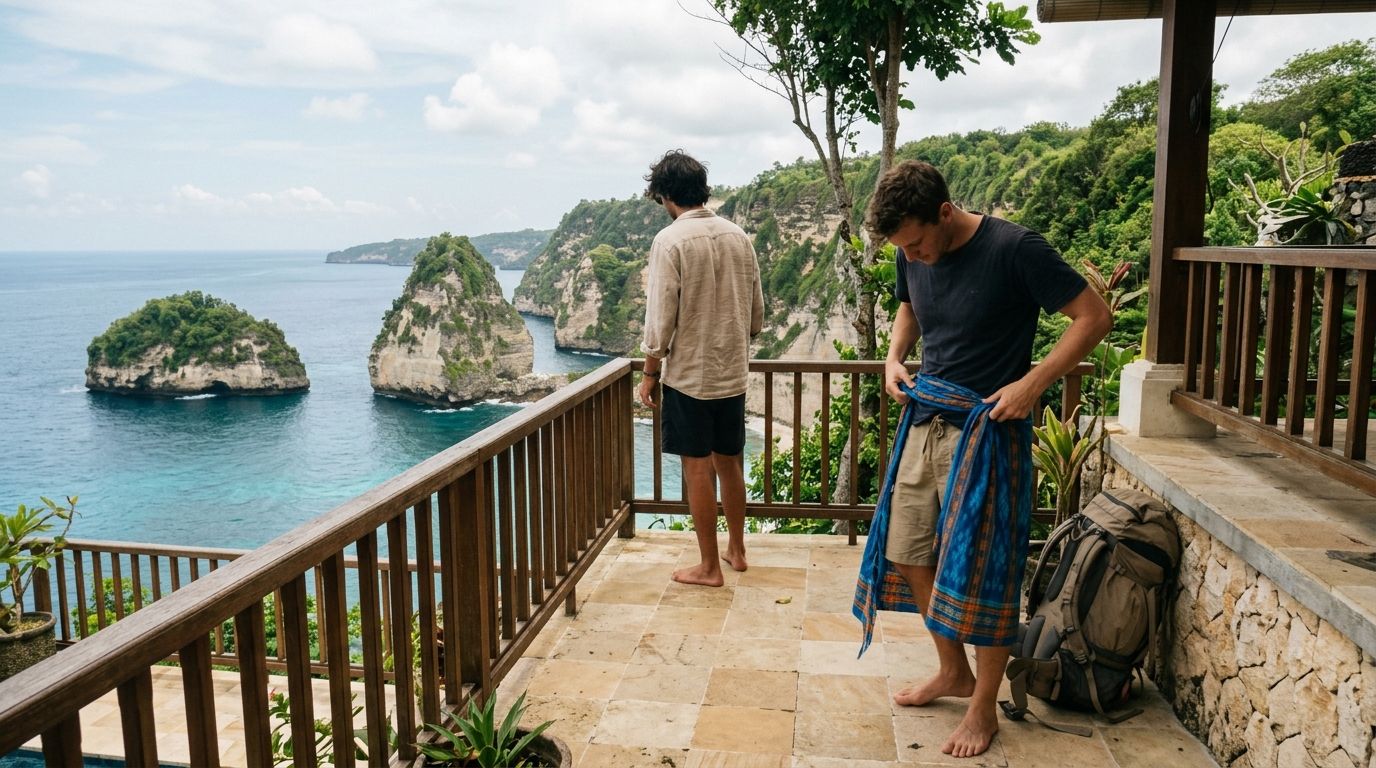
Bali is compact and varied, with a volcanic interior, emerald rice terraces, and surf breaks on both coasts. Expect dramatic sunsets from cliffside temples and quiet black sand beaches near central areas. Phuket is a larger island with an open coastline giving direct access to the Andaman Sea, nearby karst islands, and protected marine areas ideal for boat trips and snorkeling. Beaches in Phuket range from wide tourist bays to tucked-away coves reached by short drives.
Culture and atmosphere
Bali is defined by Balinese Hindu ritual, daily offerings, and a strong wellness scene built around yoga and boutique retreats; even busy areas retain a sense of local ceremony. Phuket reflects southern Thai influence with Buddhist temples, lively street markets, and a more overt resort culture in towns such as Patong. Both places welcome visitors warmly, but Bali tends toward a quieter spiritual rhythm while Phuket leans toward beach resort energy and nightlife.
Practical travel notes
Travel logistics differ between the islands. Bali has shorter internal travel times but narrow, congested roads around popular hubs. Phuket benefits from a larger international airport and straightforward transfers to many beachfront districts. Costs overlap considerably, though Phuket can be slightly pricier in peak resort areas. Accommodation ranges from budget guesthouses to high-end villas on both islands, with Bali offering a broader selection of boutique rural villas.
With these contrasts in mind, next we’ll look at how climate affects the best time to visit each island.
Weather and the best time to visit each island
Both Bali and Phuket sit in tropical zones, yet their rainy seasons and peak windows differ enough to influence travel plans. Bali’s dry season runs from April to October, with the most reliably dry months being June through September when humidity is lower and west-coast surf is at its best. The rainy season is November to March, with December and January typically seeing the heaviest downpours and occasional flooding in low-lying areas; upland spots like Ubud remain cooler and less humid. For beach time and outdoor ceremonies, aim for May to September for lower rain risk and plentiful sunshine.
Phuket follows the Andaman Sea monsoon pattern: prime dry months are November through March, offering calm seas ideal for snorkeling, diving, and island hopping. April can be hot and humid but less crowded, while the southwest monsoon brings heavier, more consistent rain from May to October—September and October often being the wettest with rough seas for boats. If you prefer fewer tourists and better prices, consider shoulder months (April–May or September–October) but be mindful of variable weather fronts then.
Plan activities around each island’s dry windows to get the most from your stay; both islands remain lush during wetter months, though small boat excursions may be cancelled and beach plans interrupted by intermittent heavy rain.
Next, we compare how the islands stack up on beaches, surf, snorkeling, and safety.
Beaches compared including surf snorkeling and safety
Bali and Phuket both boast spectacular shorelines but cater to different beach priorities. Below are the main differences to help match beaches to your interests, whether you want big waves, clear reefs, or calm family swimming.
- Surf — Bali offers world-class reef and beach breaks with consistent swells at Uluwatu, Padang Padang, and Canggu; Phuket typically produces smaller, more seasonal beach breaks suited to beginners and intermediate riders.
- Snorkeling and diving — Phuket provides easy access to clear reef sites such as the Racha and Similan areas with frequent boat trips, whereas Bali shines around Nusa Lembongan, Amed, and Menjangan where reefs are rich but currents can be stronger.
- Safety in the water — Both islands have dangerous rip currents at exposed beaches, so always check local flags and talk to lifeguards; lifeguard coverage is most reliable at major tourist beaches and limited at remote coves.
- Crowds and amenities — Bali ranges from tranquil black sand coves to busy tourist stretches with abundant surf schools and boutique beach clubs; Phuket concentrates development around wide resort beaches with easy road access and plentiful services.
- Best fit — Choose Bali for advanced surfing, varied coastal scenery, and boutique villa access; choose Phuket for straightforward snorkeling trips, family-friendly bays, and island hopping from a large airport hub.
When planning beach days, check swell and weather reports and pick snorkel trips on calm sea days for the best visibility. Always prioritise lifeguarded beaches when swimming with children or after alcohol consumption.
Now let’s look at dining—local specialties and western options on each island.
Food and dining scene local specialties and western options
Both Bali and Phuket offer vibrant dining scenes that balance authentic local flavours with a growing international palette. The following highlights must-try dishes, typical dining settings, and where to find reliable western options for travellers with varied tastes and dietary needs.
Bali local specialties and where to eat
Bali is known for roasted pork called babi guling, slow-cooked duck bebek betutu, and mixed rice plates known as nasi campur, often accompanied by lawar and spicy sambal. Small family-run warungs serve excellent versions of these dishes for about 20,000 to 60,000 IDR (Indonesian rupiah) per plate, while mid-range restaurants charge roughly 80,000 to 200,000 IDR. Night markets in Denpasar and Sanur are great for sampling without committing to a full meal.
Phuket local specialties and where to eat
Phuket cuisine emphasizes seafood and southern Thai spice profiles with highlights such as goong op, spicy fish curries, and roti. Street food stalls and local markets in Phuket Town and Rawai provide authentic plates from about 60 to 150 THB (Thai baht), while beachfront restaurants tend to be pricier. For fresh crab, grilled fish, and clear tom yum broths, head to markets early in the morning when catches are freshest.
Western options and dietary considerations on both islands
Both islands have embraced international dining with reliable cafes, bakeries, vegan kitchens, and restaurants offering gluten-free and vegetarian menus. Bali has a particularly strong organic and wellness cafe culture in Canggu and Ubud, with brunch dishes typically priced around 50,000 to 150,000 IDR. Phuket offers more classic resort-style menus and family-friendly chains near popular beaches. For special diets, request ingredient details and favour establishments that display food sourcing information.
In short, choose Bali for ritual-influenced plates and wellness-focused western dining, and choose Phuket for seafood-driven local flavours and easy beachside western fares. Both islands can satisfy adventurous palates and simple cravings alike.
Before we finish, here’s a practical look at budgets for accommodation, transport, and daily costs.
Budget breakdown for accommodation transport and daily costs
Accommodation budgets vary with island style and season. In Bali, expect simple guesthouses from 10 to 25 US dollars per night, comfortable private villas and three-star hotels from 40 to 120 US dollars, boutique pool villas from 120 to 300 US dollars, and luxury villas from 300 US dollars upward. In Phuket, budget rooms start around 15 to 30 US dollars, mid-range hotels sit between 50 and 150 US dollars, beachfront resorts typically range 120 to 300 US dollars, and high-end resorts begin near 300 US dollars. Local transfers differ too: scooter rental in Bali costs about 50k to 80k Indonesian rupiah per day (approximately 3 to 6 US dollars), while Phuket scooter rates are around 200 to 350 THB per day (approximately 6 to 11 US dollars). Airport transfers in Bali commonly run 150k to 400k rupiah one way, and in Phuket a taxi to Patong is usually 600 to 1000 baht one way.
Daily living costs depend on food choices and activities. A warung meal in Bali costs 20k to 60k rupiah (about 1.5 to 4 US dollars) and a cafe brunch is 60k to 150k rupiah (about 4 to 11 US dollars). In Phuket, street food plates are 40 to 120 baht (about 1.2 to 3.5 US dollars) and casual restaurants 150 to 400 baht (about 5 to 12 US dollars). Boat trips to nearby islands range 300k to 500k rupiah in Bali (about 20 to 35 US dollars) and 800 to 1500 baht in Phuket (about 25 to 45 US dollars). Typical daily budgets for backpackers are Bali 25 to 40 US dollars and Phuket 30 to 50 US dollars. Mid-range travellers should budget Bali 70 to 150 US dollars and Phuket 90 to 180 US dollars per day. For villa stays in Bali, consider specialist platforms that list verified properties and clear pricing to simplify planning.
Whether you prioritise culture, surf and boutique stays or island hopping, diving and straightforward resort access, both islands deliver memorable tropical escapes. If you’re leaning toward a villa-based stay in Bali, browse available options and clear pricing at https://www.balivillahub.com/en to help match accommodation to your itinerary and budget.