Sleeping Safely in Bali Protect Yourself from Snakes
Bali Villa Hub
2/23/2026
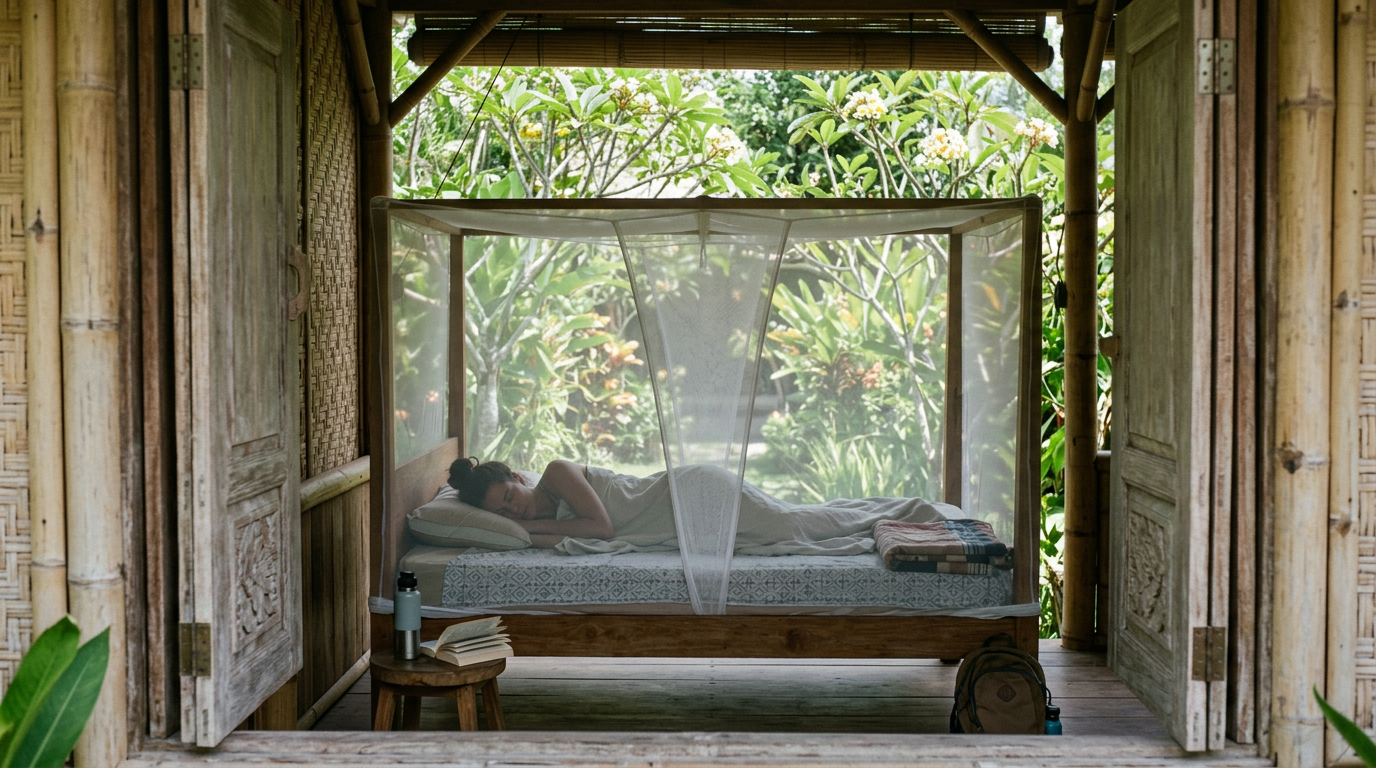
Sleeping Safely in Bali Protect Yourself from Snakes
Spending nights in Bali should be relaxing, and a bit of preparation goes a long way toward reducing the chance of an unwelcome wildlife encounter. This guide explains straightforward steps you can take before you travel, how to choose safer accommodation, why snakes sometimes enter buildings, and practical routines to reduce risk while you sleep. Finish with clear actions to take if a bite occurs so you are ready for any emergency.
Prepare before travel with snake safety in mind
Before you depart, include snake safety in your travel checklist. A little preparation reduces risk and helps you sleep with confidence while in Bali. Focus on sensible research and practical packing to make nights calm and secure.
Research Local Snake Species And Risk Areas
Find out which snakes are common in your destination and when they are most active. Rice paddies, gardens and the edges of forests see more sightings than busy town centres. Ask your host about recent encounters and whether a local snake patrol or rescue service operates nearby.
Pack Smart For Night Safety
Bring a reliable torch with both a focused beam and a wide beam for scanning floors and outdoor paths at night. Pack a pair of sturdy closed shoes and long lightweight trousers for any evening walk. Include basic first aid items such as a pressure immobilization bandage, a splint and a fully charged phone with emergency numbers stored.
Choose Accommodation With Snake Safe Features
Prioritise places with solid doors, screened windows and raised bed frames that reduce gap access. Request a room on a higher floor or one with a veranda that is kept clear of dense garden clutter. Confirm that grounds are regularly maintained, that refuse is secured and that staff will respond to wildlife reports.
Confirm these points with your host before arrival and use a simple pre-sleep routine to inspect your room. With these preparations in place, you can move on to selecting accommodation that matches your safety needs.
Pick snake safe accommodation and room features
Choosing the right place to stay is one of the most effective ways to reduce the chance of a nighttime snake encounter. Focus on features that block entry and make it easy to spot wildlife around your room.
Before you book, check photos and ask hosts about maintenance routines and how grounds are kept after dark. Small details in room design often make the biggest difference for safe, restful nights.
- Solid external doors and raised thresholds Doors that close flush and sit above ground level prevent snakes from slipping beneath. Confirm that gaps around frames are sealed and that sliding doors have a snug bottom track.
- Tight window and door screens Fine mesh screens on all openings stop small snakes and other wildlife from entering while keeping airflow. Make sure screens are intact and fit securely without tears or loose edges.
- Elevated beds and luggage stands Beds mounted at least 40 centimetres above the floor reduce the chance of a snake reaching sleepers. Use luggage stands rather than leaving bags on the ground where snakes can hide.
- Clear verandas and trimmed landscaping A tidy garden with short grass and no dense leaf piles reduces attractive hiding spots close to rooms. Ask that plantings are kept away from walls and pathways are well lit at night.
- Responsive staff and local wildlife protocols Properties with 24-hour contacts and a known procedure for wildlife sightings provide quicker resolution. Confirm that staff will assist immediately and that there is a local snake rescue or patrol they can contact.
Use this checklist when comparing options and communicate these needs to your host before arrival. Once you know what to look for in a room, it helps to understand why snakes sometimes enter homes so you can remove those attractors.
Why snakes enter homes and guest rooms
Snakes do not seek out people but they do follow practical needs. The most common reasons are shelter, water and food. A quiet dark corner beneath furniture, a pile of laundry or an open storage space offers a secure resting place. If a room provides a stable temperature and hiding spots, a snake will see it as a useful microhabitat.
Food is a powerful attractor. Snakes hunt small mammals, frogs and large insects that are common around guest rooms. Outdoor lighting draws insects which in turn attract frogs and rodents. If rubbish bins or food scraps are left accessible, this creates a simple food chain that brings predators a step closer to sleeping guests. Pipes, drains and gaps around service entries provide easy travel routes from garden to indoors, so the presence of prey near the building increases the chance of an indoor visit.
Environmental conditions and human activity affect movement patterns. After heavy rain snakes may seek higher, drier ground and a cool tiled floor inside a room can be appealing on hot days. Nocturnal species are more likely to appear at night because that is when prey move and when doors or windows are opened and closed. Construction or garden work that disturbs natural shelters will temporarily push snakes into nearby buildings.
Understanding these drivers helps prevent encounters. Reduce attractive conditions by keeping food sealed and rubbish secured, maintaining clear perimeter landscaping, sealing gaps around pipes and inspecting luggage and floors before bed. With these targeted measures in place, you can move on to practical snakeproofing steps for sleeping areas.
Snake awareness and how to snakeproof sleeping areas
Becoming aware of snake behaviour and taking targeted steps will greatly reduce the chance of an indoor encounter. Focus on removing attractants, sealing likely entry points and creating a room layout that leaves no easy hiding places. Simple checks each evening and a short list of physical changes protect you while you sleep.
Visual inspection before lights out
Make a habit of scanning the room and veranda with a bright torch. Check under beds, behind curtains, inside wardrobes and around luggage. Lift bedding and look into shoes and bags that were left on the floor. If you spot any movement do not attempt to handle the animal and contact your host or a local rescue service.
Seal gaps and remove travel routes
Seal gaps around plumbing, air bricks and door thresholds using silicone or foam where permitted. Fit tight window screens and ensure that sliding doors sit flush in their tracks. Keep doors closed at night and use a fitted floor sweep on external doors to block a pathway, as small snakes can fit through narrow spaces.
Eliminate hiding spots and food sources
Keep luggage on stands and beds at least 40 centimetres above the floor. Store food and rubbish in sealed containers and request secure outdoor bins. Trim vegetation so there is a clear area of at least 1 metre between plants and walls and remove leaf piles, stones and other debris where snakes can shelter.
These practical measures are quick to implement and easy to maintain. After snakeproofing your room, adopt the nightly routines below to further reduce the risk of encountering a snake while you sleep.
Practical tips to avoid snake encounters while sleeping
Simple practical habits reduce the chance of a snake appearing while you sleep. Focus on predictable checks and a consistent evening routine that removes hiding places and food sources. These steps are quick to adopt and make a measurable difference to safety and peace of mind.
Nightly routine to reduce risk
On arrival and each evening use a bright torch to scan floors, under beds, behind curtains and inside shoes and bags. Close all external doors and windows and ensure screens are intact before lights out. Keep a charged phone and local emergency contact numbers by the bedside so you can call for help immediately if you see a snake.
- Keep food and rubbish sealed Store snacks and leftovers in sealed containers and request secure outdoor bins. Removing food lowers the rodent and frog activity that attracts snakes to guest rooms.
- Elevate luggage and bedding Use luggage stands and raise beds at least forty centimetres off the floor where possible. Avoid leaving clothes and shoes on the ground overnight so there are no cosy hiding spots.
- Seal obvious entry points Check gaps around plumbing, doors and window frames and ask staff to apply simple seals when necessary. Even small gaps can provide a travel route for slender snakes.
- Light and clear the immediate exterior Ensure walkways and verandas are well lit and that plants are trimmed at least one metre away from walls. A clear perimeter and good lighting reduce insect and rodent activity that draws snakes close to rooms.
Adopt these measures before bedtime and confirm expectations with your host on arrival. If you would like help finding accommodation that lists clear safety features, consider browsing https://www.balivillahub.com/en to compare properties and confirm details before you book.
Even with careful prevention, it is important to know how to act quickly if a bite occurs.
Be prepared and act quickly if a snakebite occurs
If a snakebite happens keep the victim calm and as still as possible. Ask them to lie down and limit movement of the bitten limb. Remove rings, watches and tight clothing before swelling begins. Clean the area gently with water only and cover with a dry sterile dressing. Do not cut the wound, do not attempt to suck out venom and do not apply ice. Avoid tourniquets and do not give alcohol or painkillers by mouth. Apply a firm bandage starting at the toes or fingers and wrapping upward toward the body to compress soft tissue evenly while maintaining circulation. The bandage should feel firm like a support bandage, not so tight that circulation is stopped. Splint the limb to prevent motion and check distal circulation every ten minutes by looking for colour, warmth and capillary refill in the fingers or toes.
Note the time of the bite and any symptoms such as difficulty breathing, drooping eyelids, nausea, sweating or a rapid heart rate. Photograph the snake only if it can be done safely from a distance, as this can help identification. Contact your accommodation staff, local emergency services or the nearest hospital that treats venomous bites and arrange immediate transport. Keep the patient lying still and reassured during transfer and show medical staff the bite time, any photos and a clear description of what happened. If professional help is delayed, maintain the pressure and immobilisation until trained care is available. Quick, calm action combined with prompt medical treatment gives the best chance of a full recovery.