What are the most common diseases in Bali?
Bali Villa Hub
3/9/2026
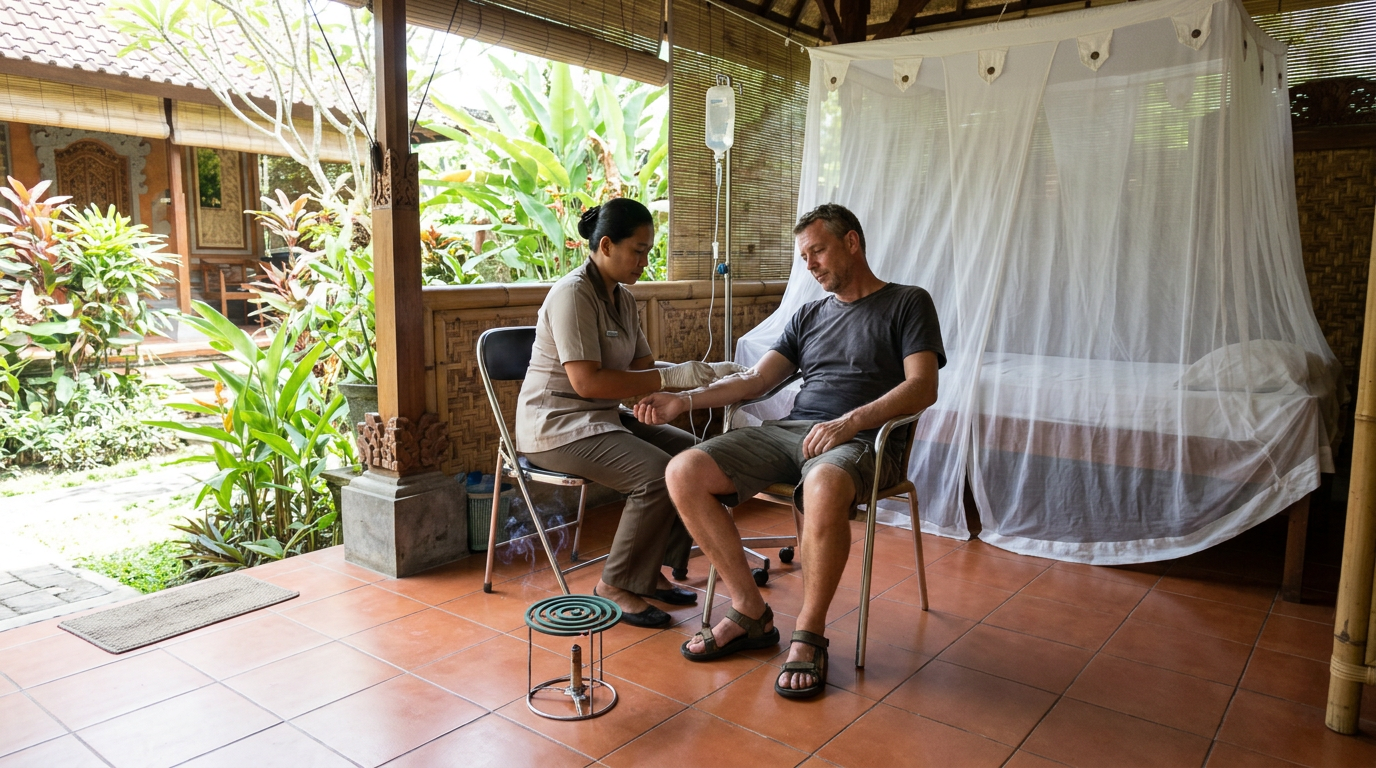
What are the most common diseases in Bali?
Traveling to Bali is an exciting experience, but staying healthy requires some preparation. This guide highlights the most frequent health risks visitors face on the island and offers clear, practical steps to prevent illness and seek care if needed. Read on to learn what to watch for, how to reduce your risk, and when to get prompt medical attention.
Mosquito Borne Threats to Know Dengue, Chikungunya and Encephalitis
Mosquito transmitted infections are among the most common health risks visitors encounter in Bali. Understanding how each disease spreads and what early symptoms look like can mean the difference between a brief illness and a serious medical emergency.
This section focuses on three priorities for travellers—dengue, chikungunya and Japanese encephalitis—and offers clear steps to reduce your risk while on the island.
- Dengue fever, transmitted primarily by day-active Aedes mosquitoes, has an incubation period of four to ten days and presents with high fever, severe muscle pain, headache and rash. Seek immediate medical attention if you experience severe abdominal pain, persistent vomiting, bleeding gums or signs of shock.
- Chikungunya, also spread by Aedes mosquitoes, typically causes sudden fever and intense joint pain that can linger for weeks or months; symptoms are rarely fatal but can be profoundly disabling. Management is supportive with hydration and pain control; avoid non-steroidal anti-inflammatory drugs until dengue has been excluded.
- Japanese encephalitis, carried by Culex mosquitoes in rural rice-field areas, usually causes no symptoms in most people but a small proportion develop severe brain inflammation with high mortality and long-term neurological damage. Vaccination is recommended for travellers planning extended stays in rural regions or frequent outdoor evening activity.
Practical prevention matters most: apply insect repellent containing DEET (N,N-diethyl-meta-toluamide) or picaridin to exposed skin and use permethrin-treated clothing or treated bed nets when sleeping in at-risk areas. Remove standing water around accommodation, wear long sleeves and trousers during daylight for Aedes control and at dusk for Culex risk, and seek prompt testing for any febrile illness after travel so appropriate care can begin quickly.
With mosquito risks covered, the next area travellers commonly face is food- and water-related illness; the following section explains what to watch for and how to protect yourself.
Food and Water Illnesses Bali Belly Typhoid and Hepatitis A Risks
Food and water related infections are the most common preventable health problems visitors face in Bali. Clear knowledge of how each illness presents and practical precautions will reduce disruption to your trip and help you seek prompt care when needed.
Bali belly and travelers diarrhea
Bali belly typically results from bacteria such as enterotoxigenic Escherichia coli or from viruses and parasites. Symptoms usually start within 1 to 3 days and include loose stools, abdominal cramps, nausea and sometimes fever. Most cases are self-limiting and improve with oral rehydration using solutions that replace salt and sugar.
Immediate measures include regular sips of safe fluid, oral rehydration solution and bland food once tolerated. Seek medical care if high fever develops, stools contain blood, or if you cannot keep fluids down. For moderate to severe diarrhea a clinician may prescribe an appropriate antibiotic after assessment.
Typhoid and when vaccination is advised
Typhoid spreads through contaminated food and water and has an incubation period of about 6 to 30 days. Typical signs are persistent high fever, headache, abdominal pain and constipation or diarrhea. Risk increases with stays longer than two weeks and travel to rural or less sanitary areas.
Vaccination is recommended for travelers staying for extended periods, visiting family and friends or likely to eat food from informal sources. Discuss vaccine timing with a clinician because protection takes several days to develop and boosters may be required for long stays.
Hepatitis A and prevention steps
Hepatitis A infects the liver and often presents with fatigue, jaundice, abdominal discomfort and dark urine after an incubation of 15 to 50 days. The illness can be severe and prolonged for older adults and those with chronic liver disease.
Vaccination offers reliable protection and is strongly advised for most travelers to Bali. If not vaccinated prior to travel, follow strict food and water precautions such as drinking bottled water with sealed caps, avoiding ice and raw salads, and peeling fruit yourself.
Practical habits make the biggest difference. Choose cooked hot food, use bottled or boiled water for drinking and oral hygiene, and seek testing for any prolonged fever or gastrointestinal symptoms so treatment can start without delay.
After covering food and water risks, it's important to understand how animal exposures are handled, particularly when bites or scratches occur.
Animal exposures and rabies prevention after bites or scratches
Rabies remains a real risk in Bali and any mammal bite or scratch must be treated seriously. Whenever skin is broken or saliva contacts a mucous membrane, immediately wash the area under running water with soap for at least 15 minutes and gently irrigate the wound. Apply pressure only for bleeding that will not stop with gentle cleaning. Thorough washing lowers the chance of infection and is the single most effective first aid step.
Seek medical assessment without delay so wounds can be evaluated and classified. Minor nibbling or superficial scratches without bleeding still require assessment, but more severe transdermal bites or contamination of eyes, mouth or open wounds typically need rabies immunoglobulin plus vaccine. Immunoglobulin should be administered at the first visit and infiltrated around the wound when available. The vaccine series is started immediately and completed according to local public health guidance at clinics that provide rabies post-exposure prophylaxis.
Pre-travel vaccination is recommended for people with high-risk activities such as prolonged rural stays, animal handling or work in healthcare settings. Completing pre-exposure vaccination weeks before travel simplifies treatment if an exposure occurs because previously vaccinated people only need a shortened vaccine series and do not require immunoglobulin. Keep a clear record of any prior rabies vaccines and present it to clinicians for rapid decision making.
Practical prevention reduces chances of an exposure: avoid feeding or touching stray dogs and monkeys and do not attempt to rescue animals behaving strangely. If safe, take photos of the animal and note the location and timing of the incident, then present to a facility offering rabies care as soon as possible. Early care plus appropriate follow-up will prevent almost all cases of rabies.
Next, we cover heat- and skin-related issues that often affect travellers in Bali's tropical climate.
Heat, Sun and Skin Issues Sunburn Heat Exhaustion and Infections
Sun exposure in Bali is intense and even short periods outdoors can cause significant sunburn and skin damage. Use a broad spectrum sunscreen of at least SPF (sun protection factor) 30 applied liberally to all exposed areas at least 20 minutes before going outside and reapply every two hours or after swimming or heavy sweating. Wear a wide-brim hat, sunglasses and lightweight long-sleeve shirts with a UPF (ultraviolet protection factor) rating when possible, and seek shade during the hottest part of the day between 10 am and 4 pm. For hydration aim for a baseline of 2.5 liters of fluids daily and increase intake during activity; sip water steadily rather than taking large infrequent amounts. For minor sunburn use cool compresses, paracetamol or ibuprofen for pain and moisturise with a soothing gel. Avoid breaking blisters and see a clinician if you develop fever, spreading redness or severe blistering.
Heat exhaustion can progress quickly and presents with heavy sweating, weakness, headache, dizziness, nausea and muscle cramps. Move the person to a cool shaded area, elevate the legs, remove excess clothing and apply cool wet towels while encouraging small sips of an oral rehydration solution if tolerated. If there is confusion, fainting, very high body temperature above 40 C (Celsius), collapse or seizures treat as a medical emergency and seek urgent hospital care. Secondary skin infections often follow insect bites, sunburn or small wounds so cleanse any break in the skin promptly, keep it dry and covered and start topical antiseptic. See a clinician without delay for spreading redness, increasing pain, pus or fever since early oral antibiotics prevent deeper infection and complications.
With climate and skin risks addressed, the final section explains vaccination and other practical prevention steps to prepare before travel and stay safe while in Bali.
Vaccinations and practical prevention steps before and during travel
Vaccination is one of the most effective ways to reduce health risks when travelling to Bali. Planning ahead ensures you have the right protection for the length and type of your trip and makes on-the-ground prevention far simpler. Start with a pre-travel consultation so recommendations match your itinerary and health history.
Essential vaccines for Bali travel
Key vaccines to consider include hepatitis A and typhoid for food and water risk, tetanus-diphtheria-pertussis as a routine booster, hepatitis B for longer stays or intimate contact, rabies for those who may work with or spend time near animals, and Japanese encephalitis for extended rural or rice-field exposure. Seasonal influenza vaccination is sensible for most travelers. Assessments should be personalised so you only receive vaccines relevant to your exposure risk.
Timing and documentation
Arrange vaccines at least four to six weeks before departure to allow immune response and to complete multi-dose schedules. Some courses require doses spread over several weeks so last-minute travellers may need altered plans. Keep a clear paper or digital record of your vaccinations and show it to local clinicians after any exposure or if illness develops. Pre-exposure rabies vaccination streamlines follow-up care and reduces the need for immunoglobulin after a bite.
Practical prevention on the ground
Combine vaccination with practical habits to stay well. Use proven insect protection in the early morning and late afternoon, drink bottled or boiled water, avoid high-risk street food when uncertain about hygiene, and treat any animal bite or scratch promptly with thorough washing and a medical assessment. For appointments, testing or vaccine services consider https://www.balivillahub.com/en for local travel health support and reliable scheduling.
In short, plan early, get the vaccines that match your risk, and maintain sensible daily precautions. This combined approach prevents most travel-related illnesses and helps keep your trip enjoyable and safe.