What is illegal in Bali for tourists?
Bali Villa Hub
3/12/2026
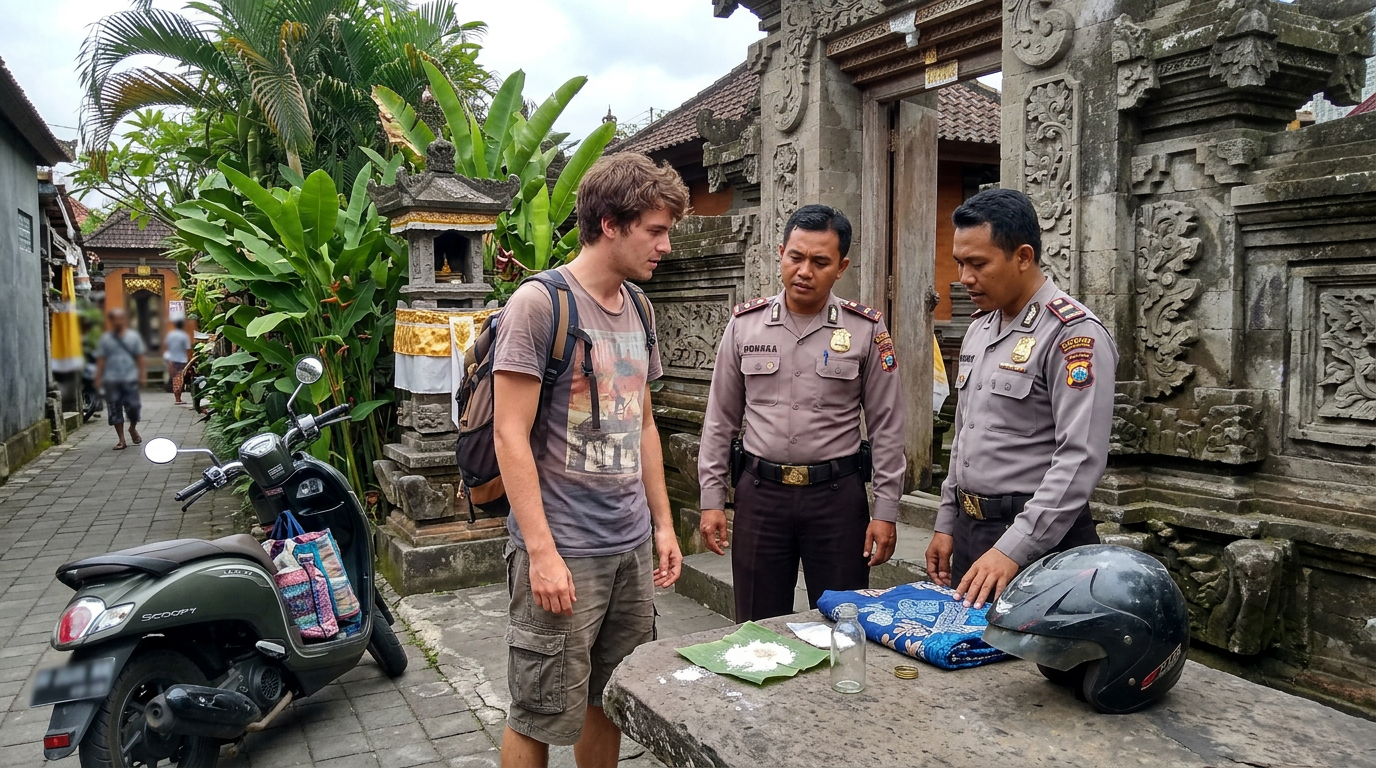
What is illegal in Bali for tourists?
Bali draws millions of visitors with its beaches, temples and vibrant culture, but it is important to remember that the island operates under Indonesian national laws and strong local customs. Small misunderstandings can lead to fines, detention or deportation, so a little preparation goes a long way. The sections below explain the most common legal pitfalls for tourists and offer practical steps to avoid them.
Visa rules and illegal entry pitfalls tourists should avoid
Understanding visa requirements before you travel is the single most effective way to avoid immigration problems on arrival. Bali enforces Indonesian immigration law strictly at airports and seaports, and assumptions that “island rules” are different often cause trouble.
Common issues to check before departure include the following.
- Arriving with the wrong visa Many nationalities qualify for a visa on arrival valid for thirty days, which is typically extendable once for a further thirty days at an immigration office. If you plan to work or stay long term obtain the correct visa before travel.
- Overstaying your permitted period Staying beyond your authorised stay carries daily fines and can result in detention, deportation and a reentry ban. Apply for an extension well before your visa expires.
- Entering through unofficial points Disembarking on private beaches or arriving without passing immigration checks is illegal and can lead to immediate removal from the country and possible fines.
- Working while on a tourist visa Performing paid work, including freelance or online tasks for foreign clients, is prohibited on a tourist permit and risks arrest, financial penalties and deportation.
- Invalid passport or missing documents Your passport should have at least six months’ validity from the date of arrival and adequate blank pages; airlines may refuse boarding without this or without proof of onward travel and accommodation.
Before travel check your nationality rules with the nearest consulate or the official immigration website, keep photocopies of passport pages and visa stamps, and record local immigration office contact details. These simple steps prevent most common legal issues and let you enjoy Bali without disruption.
Beyond entry formalities, visitors should be aware that some offences—particularly drug possession—are treated extremely seriously; read on for details.
Strict narcotics laws and penalties for tourists
Narcotics offences are treated with extreme seriousness in Bali and across Indonesia. Tourists found with illegal drugs face immediate arrest and prolonged legal processes that can include lengthy prison sentences and heavy fines.
What the law says
Indonesian narcotics law criminalises possession, distribution and trafficking of controlled substances. Possession for personal use can lead to multi‑year prison terms and significant fines. Larger quantities or any evidence of distribution can result in life imprisonment or the death penalty in the most serious trafficking cases.
Enforcement and practical risks
Police conduct regular checks at airports, clubs and tourist areas and will investigate tips from locals. Expect searches, detention and a formal police report if suspected. Bail is not guaranteed and court cases can take many months. Consular assistance can help you understand local procedures but cannot prevent prosecution.
Medicines and legal alternatives
Certain prescription medicines are classed as controlled substances in Indonesia. Carry prescriptions in the original packaging and a concise doctor letter stating the medical reason and dosage. Avoid bringing cough medicines or painkillers that contain codeine or pseudoephedrine without prior clearance. For common conditions use over‑the‑counter medicines available locally and buy from reputable pharmacies.
Do not accept packages or items from strangers and refuse any offers of drugs even in private settings. If arrested remain calm, request to contact your consulate and seek qualified legal representation immediately. The clearest safeguard is to avoid any involvement with illegal substances while in Bali.
While drug enforcement is stringent, traffic rules are another common source of legal and safety problems for visitors—see the next section for practical guidance.
Traffic offences licences and drunk driving rules
Roads in Bali are busy and enforcement is firm. Motorbikes are the island’s most common vehicle and small mistakes can quickly become expensive or dangerous when stopped by police or involved in an accident.
Valid licence is required Visitors should carry their home country driving licence and IDP (International Driving Permit) where available. The local licence is SIM (Surat Izin Mengemudi); SIM (Surat Izin Mengemudi) A is for cars and SIM (Surat Izin Mengemudi) C is for motorcycles. Indonesian police frequently ask to see licence and passport together. Rental companies may require an IDP (International Driving Permit) and can refuse rental without it. If you plan to stay long term obtain the correct Indonesian licence through official channels rather than relying on informal solutions.
Common traffic offences and consequences Failing to wear a helmet, riding without a licence, carrying too many passengers and driving without headlights at night are frequent offences that attract immediate fines, vehicle impoundment or formal police reports. Hit and run and reckless driving carry severe penalties, including criminal charges. If involved in a collision exchange details, remain at the scene and contact your embassy or consulate if needed. If paying fines on the spot insist on a proper receipt and official paperwork.
Drunk driving rules and practical safety Driving while impaired is taken very seriously; police conduct breath tests and will detain drivers who show signs of intoxication. Penalties can include heavy fines, imprisonment and deportation in serious cases. The safest option is not to drive after drinking—use a registered taxi, ride‑hailing service or arrange a driver for evening travel. For short trips avoid riding a scooter after consuming alcohol, since motorcycle accidents are common and often more dangerous for tourists.
Respecting licence requirements and driving sober reduces legal risk and keeps you and others safer on Bali’s roads. With those safety basics covered, remember that cultural norms shape behaviour in public and at sacred sites.
Temple etiquette and laws on religious respect
Visiting a Balinese temple requires thoughtful preparation and respectful behaviour to avoid social offence and potential legal consequences. Always wear a sarong and sash when entering temple grounds and ensure shoulders and knees are covered; many temples provide sarongs for rent but you must fasten the sash correctly around the waist. Remove footwear and hats at the entrance and follow marked paths rather than cutting across courtyards. Never step over offerings placed on walkways and avoid sitting with your feet pointing toward shrines or priests, because feet are considered impure and pointing is a visible sign of disrespect. Do not touch or climb on statues, meru towers or altars, and refrain from placing personal items on temple structures. Photography is permitted in many areas but turn off flash and ask permission before photographing worshippers or ongoing rituals; during private ceremonies and certain rites photography may be forbidden. If you wish to participate in a ceremony ask the temple attendant or priest for guidance and accept instructions from the pemangku. Do not bring alcohol or enter if you are visibly intoxicated. Be mindful that some temples observe restrictions for women during menstruation and that access rules can vary by temple, so check locally before attempting to enter inner sanctums. Serious acts of disrespect such as deliberate damage, theft or disruption can prompt intervention by local authorities and customary courts and may result in fines or prosecution. In practice the best safeguard is simple courtesy: show awareness of the people around you and err on the side of modesty; when in doubt follow the lead of worshippers and heed caretaker instructions to ensure your visit is both lawful and culturally sensitive.
Respect for sacred spaces often overlaps with rules about public behaviour more generally, which is discussed in the next section.
Cohabitation public decency and sexual conduct restrictions
Balinese society values public modesty and local customs are strongly enforced in many communities. Law and customary practice overlap when it comes to sexual conduct, so visitors should be aware of both formal statutes and local expectations.
Legal framework and scope
Indonesian law contains provisions that can be applied to cohabitation and sexual acts outside marriage. Enforcement varies by location and by the circumstances involved. In some cases customary courts handle complaints while in others national police may pursue a criminal investigation. Outcomes can range from fines and removal from accommodation to formal prosecution depending on severity.
Public behaviour and decency rules
Public displays of affection that would be acceptable at home can attract complaints here. Kissing and intimate touching in public may lead to a warning, a fine or police involvement in busy tourist spots and religious precincts. Indecent exposure, sexual activity in public and any actions that cause alarm to locals are taken seriously and can trigger immediate intervention.
Private arrangements and accommodation policies
Many hotels and private villas have rules about registered guests and may ask for identification. Some smaller guesthouses request proof of marriage for couples where local custom is strict. Renting a private villa does not remove your obligation to follow national law and local norms; activities that are legal in private in some countries may still create legal risk here.
To avoid problems keep intimate conduct private, respect local norms and check accommodation rules before booking. If you face an allegation cooperate calmly, seek consular advice and obtain legal representation. Sensitivity and discretion remain the simplest and most effective safeguards while visiting Bali.
Environmental protections are another important legal area that affects day‑to‑day behaviour around beaches, reefs and wildlife.
Environmental protections bans on littering coral damage and wildlife harm
Bali enforces environmental protections to preserve marine and terrestrial habitats and authorities take breaches seriously. Tourists who discard waste, damage coral or harm protected animals can face fines, customary penalties and legal action, so awareness and simple precautions are essential before visiting beaches and natural areas.
Laws and protected zones
National and local regulations cover coastal reefs, marine conservation and the handling of wildlife. Many beaches, marine parks and reserves operate under strict rules enforced by rangers, port authorities and village councils, with clear signage and active patrols at popular snorkel and dive sites.
- Littering and plastic pollution Leaving rubbish on the beach or discarding items at sea can lead to on‑the‑spot fines, mandatory cleanup duties and complaints from community leaders. Carry a reusable bag and remove all waste from shorelines to avoid penalties and support local cleanups.
- Coral contact and damage Touching, standing on or taking coral is illegal and destroys fragile ecosystems. Operators and visitors who damage reefs may have equipment confiscated, be fined and be banned from marine sites, so maintain neutral buoyancy and never anchor on reefs.
- Wildlife interference and trade Feeding, disturbing or removing protected species—including turtles, certain birds and marine creatures—is prohibited and can trigger fines, criminal charges or involvement by conservation agencies. Do not buy coral shells or trafficked animals and report suspicious sellers to authorities.
Follow posted rules, use reef‑safe sunscreen, avoid single‑use plastics and book licensed, eco‑conscious operators for boat trips. Respecting local guidance not only keeps you on the right side of the law but also helps preserve Bali’s natural treasures for future visitors and for the communities who depend on them.
For practical help finding licensed accommodation that respects local rules and offers guidance on responsible travel, consider browsing options at https://www.balivillahub.com/en which lists vetted villas and local contact details to make planning easier.
Being informed, respectful and prepared will keep most legal issues at bay and let you enjoy Bali safely and responsibly. When in doubt, seek official advice from consular services or local authorities and prioritise courtesy and caution throughout your stay.