What is the coldest month in Bali?
Bali Villa Hub
3/14/2026
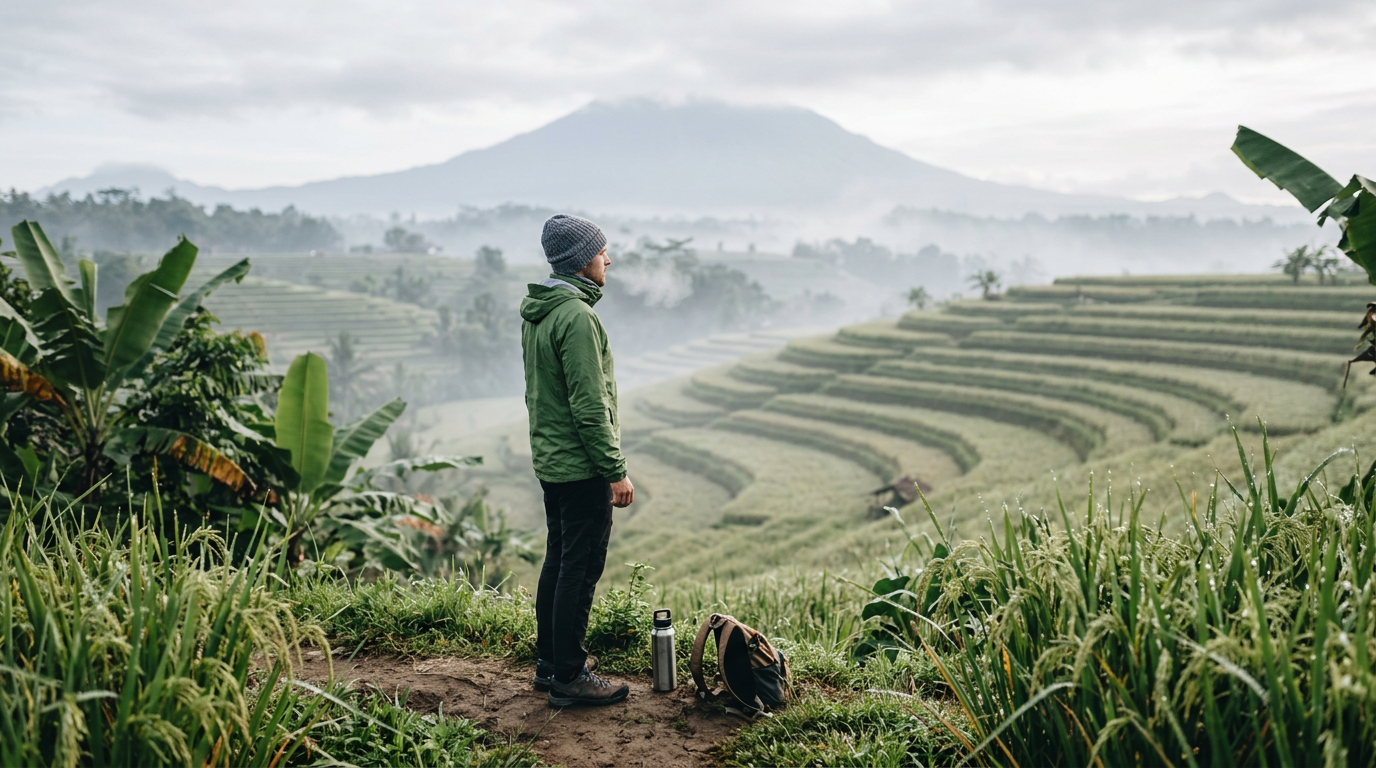
What is the coldest month in Bali?
Bali is known for warm beaches, lush rice terraces and a tropical climate that feels familiar year round. While temperatures vary little compared with temperate climates, shifts in humidity, cloud cover and rainfall create noticeable differences between months and regions. This guide explains when Bali feels coolest, how that ties to seasonal patterns, and what to expect across the island so you can plan activities and pack appropriately.
Month-by-month temperature and rainfall in Bali
Bali maintains a steady temperature range throughout the year; the main change from month to month is rainfall, which affects humidity, cloudiness and perceived warmth. Coastal daytime highs typically range from 29°C to 31°C, while nighttime lows generally sit between 22°C and 24°C. Because precipitation varies widely, a given month can feel sultry and overcast or sunny and comfortable even when the thermometer reads similarly.
Wet season months November to March
Rainfall rises from November onward. November averages around 220 millimetres, with daytime highs near 31°C. December and January are the wettest months — December often averages about 320 millimetres and January around 300 millimetres — while February remains humid at roughly 260 millimetres. Expect frequent heavy afternoon downpours lasting one to three hours and persistently high humidity that keeps nights warm and muggy.
Transition months April and October
April signals a clear reduction in rain with averages near 120 millimetres and warm days around 30°C. October is the other transition month, returning rainfall to similar levels as the island moves back toward the wet season. These months often offer the best balance between lush landscapes and fewer storms, making them pleasant for visitors seeking greenery without constant rain.
Dry season months May to September
May through September are the driest months. May averages about 40 millimetres of rain, June drops to near 20 millimetres, and July and August are often the driest with averages close to 10 millimetres. September rises to roughly 50 millimetres. Temperatures remain warm with daytime highs around 29°C to 30°C and nights slightly cooler, especially inland.
These monthly figures describe coastal averages around Denpasar and southern Bali; upland areas will be a few degrees cooler at night and local rainfall can differ. With that monthly context established, the next section examines the island’s long-term averages and what they mean for planning.
Average annual climate figures and temperature norms
Long-term climate normals for southern Bali (around Denpasar and Ngurah Rai airport) give a clear snapshot of what to expect across a typical year for temperature, rainfall and humidity. Overall, Bali stays warm year round with modest variation in air and sea temperatures and substantial variation in rainfall between dry and wet months.
- Mean annual temperature averages about 27.5°C with daytime highs near 31°C and nighttime lows near 23°C. Inland highland areas will be a couple of degrees cooler after dusk.
- Average annual rainfall is roughly 1,700 millimetres concentrated mainly in the wet season. Around 65 percent of the annual total falls between November and March, creating most of the monthly variability.
- Average relative humidity sits near 78 percent across the year, with wet season peaks close to 85 percent and dry season lows around 70 percent; humidity often affects comfort more than small temperature shifts.
- Average sea temperature remains warm near 28°C with a narrow annual range from about 26°C to 29°C, keeping swimming comfortable throughout the year.
- Average annual sunshine totals around 2,000 hours, with the driest months offering eight to nine hours of sun per day and the wettest months often markedly cloudier.
Use these norms to choose activities and pack appropriately. If you want cooler evenings, aim for higher altitudes; if you prefer minimal rain and reliable sun, target the core dry months. Next, learn how these averages vary by region across the island.
Regional climate differences across coast, highlands and islands
Bali’s climate is not uniform: short distances produce clear shifts in temperature, humidity and rainfall. Knowing these regional differences helps you choose the right area for beaches, outdoor adventures or cooler evenings in the hills.
Coastal areas
Low-lying coastlines such as southern Bali record the warmest and most stable temperatures with daytime highs around 29°C to 31°C and nighttime lows near 22°C to 24°C. Annual rainfall averages about 1,600 to 1,800 millimetres, with most rain falling between November and March. Humidity peaks during the wet months and can make conditions feel warmer than the air temperature suggests.
Central highlands and mountains
Central uplands around Bedugul and Kintamani sit roughly between 700 and 1,500 metres elevation and are noticeably cooler. Daytime temperatures often range from 20°C to 26°C while nights can fall to 14°C to 18°C at higher spots. These areas typically receive equal or greater rainfall than the coast, keeping vegetation lush and producing misty mornings ideal for hikes and temple visits.
Nusa Islands and Bukit peninsula
The Nusa islands and the Bukit peninsula tend to be slightly drier and windier than southern coastlines. Average annual rainfall is lower by a few hundred millimetres depending on location, and winds moderate humidity so sea breezes feel fresher. Sea temperatures remain warm near 26°C to 29°C, keeping snorkeling and diving attractive year round.
When choosing where to stay, match the region to your priorities: coast for beaches and consistent warmth, highlands for cooler nights and cloud forest scenery, and smaller islands for clearer seas and steady trade winds. With regional differences in mind, the following section explains why the dry and rainy seasons shape Bali’s coolest month.
How dry and rainy seasons influence Bali’s coolest month
On most of Bali, the coolest month is typically July, when the dry season peaks and rainfall is at its lowest. Coastal daytime highs in July are around 29°C to 30°C while nighttime lows fall to about 21°C to 22°C, a touch cooler than wet season nights that average 23°C to 24°C. Clearer skies and lower humidity during the dry season allow faster radiative cooling after sunset, and persistent east to southeast trade winds help push humid air offshore, keeping evenings fresher. In contrast, heavy cloud cover and high humidity during the wet months trap heat so nights remain warmer even when daytime rain briefly cools the air. For perspective, July monthly rainfall commonly ranges from 10 to 20 millimetres while January can exceed 250 to 320 millimetres.
Regional differences change how noticeable this cooling is. Upland areas such as Bedugul and Kintamani are markedly cooler, with July night temperatures often between 14°C and 18°C and daytime highs in the low 20s°C. The Bukit peninsula and smaller islands are windier, so days can feel cooler than the mainland coast despite similar air temperatures. Transitional months such as April and October offer moderate humidity and nights that are slightly warmer than core dry months but much drier than peak wet season. If your goal is the coolest evenings, plan travel in July or August and consider staying above 600 metres elevation. A light fleece for mountain nights and a thin long sleeve for coastal evenings will generally be sufficient.
Understanding these seasonal effects leads naturally to the practical question of packing and planning activities during cooler periods, which we cover next.
What to pack and things to do during Bali’s cooler periods
Cooler periods in Bali are mild rather than cold, so packing smart keeps you comfortable without overpacking. Expect the coolest coastal nights at about 21°C to 22°C and upland nights from 14°C to 18°C. Focus on light layers, breathable fabrics and a compact windproof layer for waterfront breezes or mountain dawns.
Key clothing and practical kit
Bring a thin fleece or merino mid layer and a lightweight windbreaker that packs small into a daypack. For higher elevations include one warmer layer such as a light insulated vest and a pair of long trousers for evenings; daytime explorations usually remain warm enough for short sleeves.
Essential kit includes a small daypack, a rechargeable power bank, a headlamp for early starts, and a basic first aid kit. Reef-safe sunscreen and insect repellent remain useful, especially at dusk and in rural areas.
- Clothing Lightweight breathable shirts for daytime, two pairs of long trousers and one warm mid layer for nights. Quick-dry fabrics save luggage space and dry fast after unexpected showers.
- Shoes and accessories Sturdy trainers or hiking shoes for trails and a pair of sandals for coastal walks. A light beanie and thin gloves can be handy above 600 metres.
- Activity-specific gear Bring snorkeling equipment if you prefer your own mask and a compact daypack for rice terrace walks and temple visits. For sunrise hikes carry a headlamp and layered clothing to adapt to rapid temperature changes.
- Health and comfort items Small mosquito repellent, a travel towel and any personal medications. A reusable water bottle helps with hydration during both cooler evenings and hot days.
Plan activities to match the temperature profile: choose higher ground for cooler evenings and coastal spots for steady warmth. Pack adaptable layers rather than heavy coats so you stay comfortable whether watching mist over rice terraces or enjoying a quieter beach at dusk.
For convenient villa options that match these regional and seasonal needs, consider checking available properties and local advice at https://www.balivillahub.com/en to find accommodation suited to coastal warmth or cooler highland retreats.
With this overview you should be able to choose the best time and place in Bali for the balance of cool evenings, sunny days and the activities you enjoy most. Safe travels and enjoy the island.