What is the most confiscated item at airports when flying to/from Bali?
Bali Villa Hub
3/15/2026
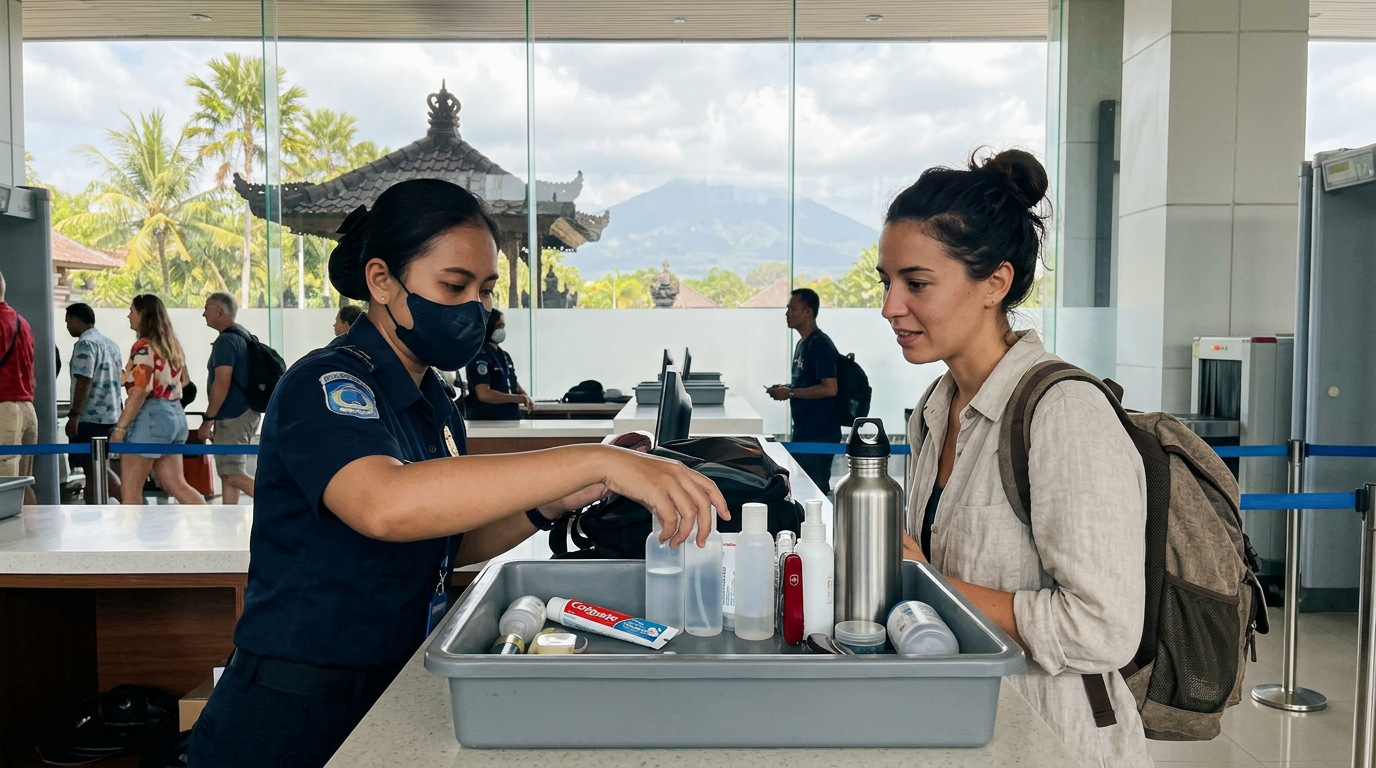
What is the most confiscated item at airports when flying to/from Bali?
Travelling to or from Bali can be smooth when you understand what customs officers commonly inspect and remove. This guide highlights the rules and the specific items most often confiscated, explains why those items attract scrutiny, and offers practical steps to declare goods correctly and recover items if they are taken. Read on to learn how to avoid surprises at Ngurah Rai International Airport and other entry points.
Indonesia customs rules that commonly cause seizures
Arriving to or departing from Bali requires a clear understanding of what Indonesian customs will inspect and may confiscate. Knowing the typical triggers for detention reduces stress and helps you keep possessions that are legal for personal use. The following subheadings explain the common problem areas and what officers look for.
Undeclared cash and currency limits
Customs routinely detains travellers who fail to declare large sums of money. Carrying more than USD (United States dollar) 10,000 or IDR (Indonesian rupiah) 100,000,000 without declaring it can lead to funds being held pending verification or fines. Officers will also question inconsistent explanations for large cash amounts, so be prepared to explain the source and intended use of any sizeable sum.
Food, agricultural and animal products
Fresh fruit, vegetables, meat, dairy, seeds and live animals are frequent causes of seizure because they pose biosecurity risks and are restricted without permits. Even small quantities packed in luggage are commonly removed at inspection booths. Packaged snacks from unknown sources also attract scrutiny and may be confiscated if provenance cannot be proven.
Medicines, tobacco, vapes, counterfeit and commercial quantities
Over-the-counter and prescription medicines should be accompanied by original packaging and a prescription written in English or Indonesian. Large supplies that suggest resale will be treated as commercial imports and detained. Tobacco products, vapes and e-liquids that exceed personal allowances or lack clear purchase receipts are often seized. Fake branded items and multiple identical new products without invoices also prompt confiscation under intellectual property and import rules.
Acting proactively helps: declare cash when in doubt, carry prescriptions and receipts for high-value items, and avoid bringing agricultural goods. If an item is seized ask for a written receipt and the procedure to appeal or recover goods after clearance. Read on for the specific items most frequently confiscated so you can avoid them.
Items most frequently confiscated at Bali airports
Customs officers at Ngurah Rai International Airport and other entry points commonly remove items that pose health, safety or legal concerns. Being aware of the specific categories that attract scrutiny helps travellers avoid delays and loss of belongings.
The list below highlights the objects that end up most often in confiscation queues and why they tend to be flagged.
- Tobacco products and vapes — Large quantities of cigarettes, rolling tobacco and e-liquids are regularly seized when they exceed personal allowance or lack proper purchase receipts.
- Fresh food, plants and seeds — Fruit, vegetables, meat, dairy and live plants are treated as biosecurity risks and are frequently taken to prevent pests and disease.
- Prescription and over-the-counter medicines — Medicines without original packaging and a clear prescription in English or Indonesian are often detained to verify legitimacy.
- Undeclared cash — Amounts above USD (United States dollar) 10,000 or IDR (Indonesian rupiah) 100,000,000 must be declared and will be held if there is no proper declaration or convincing explanation.
- Counterfeit and branded goods in commercial quantities — Multiple identical new items and obvious fakes are confiscated under intellectual property and import rules.
- Weapons, explosives and replicas — Firearms, knives, explosive materials and realistic replicas are intercepted immediately for public safety reasons.
When in doubt, declare the item, fill out the customs form and carry receipts, prescriptions and permits. If an item is seized request written documentation from customs and follow the recovery or appeal steps explained by the officer to resolve the matter promptly. Next, we look more closely at tobacco and vaping rules to help you prepare.
Tobacco products and vapes restrictions to watch
Tobacco and vaping items are among the most frequently inspected and confiscated goods at Bali entry points. Indonesian customs apply strict rules to limit commercial imports and protect public health. Officers focus on quantity, origin and labelling when assessing whether a traveller is carrying items for personal use or for resale.
For tobacco products, carry only a realistic personal supply. Multiple identical packs or several cartons will be treated as commercial and are likely to be seized. Keep all products in their original packaging and retain purchase receipts. If you have loose rolling tobacco or many cigars present them with clear documentation. When in doubt declare the items to customs rather than risk seizure.
Vaping devices and e-liquids attract close attention. Nicotine-containing e-liquids are subject to additional scrutiny and can be denied entry in some cases. Pack devices and spare cartridges in your carry-on to prevent damage and to allow officers to inspect them easily. Store spare batteries safely and follow airline guidance for lithium cells. Carry manufacturer labelling and proof of purchase for e-liquids and devices to smooth inspections.
Practical steps reduce the chance of loss: always declare larger quantities, arrive with receipts or permits when applicable, and ask for a written receipt if an item is seized. If you plan to stay long term consider sourcing supplies locally through reputable outlets after confirming legality. With these precautions you reduce the risk of fines, delays and having personal items permanently removed. The next section explains medicines and health products that require declaration.
Medicines and health products that must be declared
When travelling to or from Bali certain medicines and health products must be declared to customs to avoid seizure and delays. Prescription medicines that contain controlled substances such as strong painkillers, sedatives, stimulants and certain psychiatric drugs require a clear prescription and a signed letter from the prescribing physician explaining diagnosis, dosage and duration of use. Bring original manufacturer packaging with active ingredient names visible and carry no more than a 30-day supply for these controlled items unless you have obtained an import permit from Indonesian health authorities before travel. For routine prescriptions such as blood pressure medication, diabetes insulin and asthma inhalers present the original packaging, a copy of the prescription in English or Indonesian and a small physician note if possible. Over-the-counter antibiotics and large quantities of painkillers or supplements that appear commercial will be treated as potential commercial imports and are commonly detained. Injectable medications and syringes must be declared and packed safely in carry-on luggage with accompanying documentation to explain medical need. Herbal remedies, traditional medicines and CBD products attract scrutiny because composition may be unclear, so declare them and keep full labels and any proof of purchase. If you carry specialized medical equipment such as oxygen concentrators or CPAP (continuous positive airway pressure) machines or large quantities of consumables inform the airline before departure and have medical certificates ready for inspection. If customs does seize an item request a written receipt that lists the item and the reason for seizure and follow the recovery process outlined by officers. Declaring medicines upfront and carrying clear documentation prevents confiscation and makes entry smoother for travellers with genuine medical needs. Before moving on to electronics, ensure your medical documentation is organised and accessible for inspection.
Electronics and phone registration problems that trigger holds
High-value electronics and mobile phones often draw extra attention from Indonesian customs due to their resale value and regulatory requirements. Officers focus on whether devices are for personal use, have valid identifiers and come with clear proof of purchase. Small mistakes in documentation can turn a routine inspection into a hold and potential seizure.
IMEI registration and proof of ownership
IMEI (International Mobile Equipment Identity) records and proof of ownership are key. Phones without verifiable IMEI records or with mismatched identifiers commonly trigger further checks. Customs and telecom authorities may require receipts, warranty cards or a written statement linking the device to the traveller and may hold the item until verification is complete.
- Multiple boxed phones in luggage — Carrying more than one new smartphone in original packaging is often treated as commercial import and will be detained without invoices and import permits.
- Unregistered IMEI or altered identifiers — Devices showing unregistered or tampered IMEI numbers are flagged for blocking or inspection and may be held for clarification with the transporter or manufacturer.
- Spare batteries, power banks and loose cells — Safety concerns and airline rules mean loose lithium batteries are inspected closely and may be confiscated if not properly packed and declared.
- Counterfeit or modified devices — Phones that show signs of cloning, unofficial software or fake branding are likely to be seized under intellectual property and safety policies.
To reduce the risk of a hold, declare high-value electronics on arrival, carry clear invoices, serial numbers and warranty documentation, and keep spare batteries in carry-on. If an item is taken request written confirmation and follow the recovery instructions provided by customs to reclaim items when possible. The following section explains how to declare items correctly and recover confiscated goods.
How to declare items, avoid seizures and recover confiscated goods
Declaring goods correctly is the single most effective step to avoid seizure and to preserve your travel plans. Be honest at the inspection point and on the customs declaration form. Outline what you carry that could attract attention and be ready to present supporting documents to make the process quick and routine.
Declare cash and high-value items upfront
If you carry cash above USD (United States dollar) 10,000 or IDR (Indonesian rupiah) 100,000,000 declare it on arrival. For electronics, jewellery and multiple new items note their value and purpose. Use the provided customs declaration form and tell the officer about anything that might look commercial. Declaring avoids surprises and prevents goods from being treated as smuggled or undeclared imports.
Keep clear documentation and correct packaging
Carry original receipts, warranty cards, prescriptions and manufacturer labelling for medicines and devices. Place food and plant-based items in sealed packaging with proof of origin where possible. For controlled medicines obtain a physician letter that states diagnosis, dosage and duration. For phones and other electronics note serial numbers and have invoices ready to prove personal ownership.
If an item is seized follow a formal recovery path
Request a written seizure receipt that lists the item, the reason and contact details for the customs office. Ask for the case reference, the expected timeline and any fees for storage or legal steps. To recover goods present invoices, proof of ownership and any required permits. Expect processing to take several days and in some cases a few weeks when verification or import paperwork is needed.
Clear declaration combined with orderly documentation prevents most seizures. When items are taken act calmly, ask for paperwork and follow the recovery instructions from customs to resolve the matter efficiently and with minimal cost.
If you need local support for accommodation or practical advice while sorting customs matters in Bali, consider checking https://www.balivillahub.com/en for villa options and on-the-ground information to help your stay go smoothly.