What is the prettiest part of Bali?
Bali Villa Hub
3/18/2026
What is the prettiest part of Bali?
Bali's beauty is many-sided: from towering volcanic ridgelines and emerald rice terraces to jagged limestone cliffs and turquoise bays. This compact island rewards a short trip with huge variety, so the "prettiest" part depends on the scenes you want to wake up to — tranquil paddies, dramatic surf cliffs, or remote island coves. Below is a guided tour of the landscapes and viewpoints that most often leave visitors breathless, followed by practical tips to help you choose the right places to visit and where to stay.
Top regions that showcase Bali's natural beauty
Bali presents a compact palette of landscapes where dramatic coastline, lush terraces and volcanic highlands sit within easy reach. This section highlights the regions that consistently capture the island spirit, each offering distinct scenery and sensory experiences for photographers, hikers and seekers of quiet views.
Ubud and the central highlands
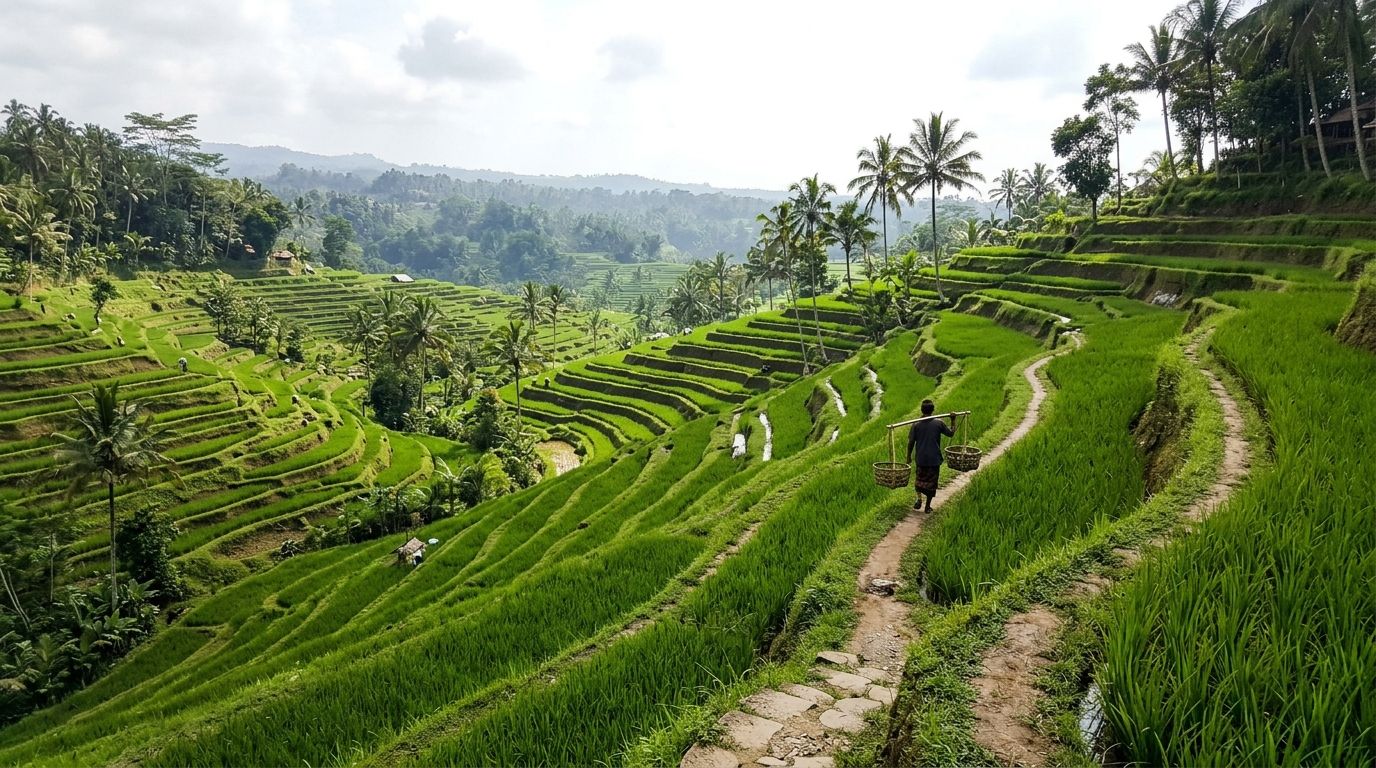
Ubud is the island heart for terraced rice fields, temple-dotted valleys and winding jungle lanes. Walk the Tegalalang-style terraces at sunrise, explore hand-carved village temples and find viewpoints that frame Mount Agung on clear days. The slower pace here reveals Bali's living agricultural landscape and cultural rhythms.
Bukit Peninsula and south coast cliffs
The Bukit Peninsula offers stark limestone cliffs, world-class surf breaks and hidden sheltered bays below steep staircases. Head to cliff-top vantage points at sunset to see warm light hit the sea and sacred reef temples perched on the edge. Beaches here range from powdery white sand to rugged coves carved by strong currents.
Nusa islands and east Bali coastline
Nusa Penida, Nusa Lembongan and the east Bali shorelines deliver raw coastal features that feel remote and cinematic. Expect carved headlands, pristine bays such as Diamond Beach and viewpoint platforms that look down over turquoise inlets. Inland on the east coast you will also find quiet fishing villages and rugged cliffs that open to clear waters.
Each region rewards a different curiosity, so choose locations by the scenery you most want to wake up to. Travelling between these areas is straightforward, allowing a balanced itinerary that showcases Bali's coastal drama, verdant interiors and island escapes in one trip.
With an idea of regions in mind, the next section focuses on the island's most iconic beaches and cliff viewpoints where sky and sea meet in dramatic fashion.
Iconic beaches and dramatic cliffside viewpoints
Bali's most memorable scenes often come from the meeting of sky and sea where cliffs drop to hidden coves and broad beaches open to the horizon. These locations combine cinematic scale with intimate moments so you can watch changing light, surf action and marine life from a single vantage.
Many of the top sites require a short walk or a boat trip and some steep staircases, so plan for sturdy shoes and early departures to avoid crowds. Check tide times for rock pools and natural bridges and always follow local safety signage near cliffs and strong currents.
- Kelingking viewpoint on Nusa Penida offers a dramatic T Rex-shaped promontory and a long white beach below, making it one of the most photographed spots in the region with challenging but rewarding access to the sand.
- Broken Beach and Angel’s Billabong present a natural arch and a calm tidal pool, ideal at low tide for reflections and detailed coastal photography while taking care on slippery rocks.
- Uluwatu cliff tops combine a sacred temple, fierce surf breaks and sunset panoramas, while nearby Padang Padang hides a small sandy bay popular with surfers and sun seekers.
- Diamond Beach and Atuh Beach on eastern Nusa Penida feature white staircases cut into limestone cliffs, clear turquoise water and expansive viewpoints that are best visited early in the morning.
- Crystal Bay is a more sheltered option for snorkeling and evening light, and nearby Thousand Island Viewpoint rewards hikers with a layered view of small islets and deep blue sea.
Choose one or two of these spots per day so you have time to enjoy the light and move safely between viewpoints and beaches. Respect marked paths and local customs and your visit will be both spectacular and responsible.
Beyond Bali's coastline, the island interior offers a contrasting set of landscapes centred on rice terraces and cultural life; the next section explores Ubud and its surroundings.
Ubud's rice terraces and cultural landscape highlights
Ubud is where Bali's living landscape and deep cultural traditions meet. Verdant terraces, village temples and artisan workshops are woven into daily life so visitors see a functioning agricultural system as well as photogenic viewpoints.
Terraces and the Subak irrigation system
The terraces around Tegalalang and the valleys north of Ubud are shaped by the Subak communal irrigation network, a centuries-old practice that earned UNESCO (United Nations Educational, Scientific and Cultural Organization) recognition. Walk narrow paths between paddies to observe seasonal planting, water channels and local farmers tending rice varieties that change the landscape from bright neon green to gold.
Temples, ceremonies and village life
Small family temples and village shrines sit at the edge of fields and on ridgelines, making cultural observations part of any terrace visit. Time your day to catch a morning offering ritual or an evening procession and you will see how religion, agriculture and community festivals shape the rhythm of Ubud.
Practical tips for visiting and photographing
Arrive early to catch soft light and avoid midday crowds. Bring sturdy shoes for uneven farm tracks and a small cash contribution for local caretakers where requested. For photographs include a foreground ledge of paddies or a farmer at work to provide scale and authenticity when shooting wide landscapes.
These highlights make Ubud more than a pretty backdrop. Plan a relaxed day that mixes short walks, temple stops and time in a village cafe so you can appreciate both the scenery and the cultural practices that sustain it.
If you prefer places away from the usual routes, the following section lists quieter, lesser-known natural gems worth seeking out.
Secret natural gems and off the beaten track spots
Beyond Bali's headline attractions there is a quieter island to discover where waterfalls hide behind jungle walls, tiny coastal villages keep old fishing rhythms and rice terraces cascade into peaceful valleys. Seek out Les Village in Tejakula for black sand coves and near-empty shores, then move south to Bayu Beach in Amed where early morning light reveals a simple local life and clear snorkeling waters. Inland, the Gunung Kawi Water Temple at Sebatu rewards a short walk with carved shrines and cool river pools, while the Golden Valley of Waterfalls in Gobleg is a cluster of falls reached by stepped paths that feel unexpectedly remote. Sideman village shows a softer side of Bali with wide unbroken terraces and hamlet trails ideal for contemplative walks, and the Hidden Canyon Beji Guwang provides narrow limestone walls and a gentle river suitable for careful exploration with a spot of canyon scrambling. For lush forest scenes visit Sangeh Monkey Forest where towering nutmeg trees host sociable long-tailed macaques, and for intimate agricultural landscapes the Wisata Alam rice fields around Ubud present narrow lanes and farmworkers tending paddies at dawn. If you want a sunrise with a view head to Pinggan village to watch Mount Batur silhouette above a sea of mist, then cool down at Banyu Wana Amertha waterfall where the water is refreshingly pure and fewer visitors arrive.
These spots are best visited with an early start, sturdy shoes and a respectful attitude towards local customs and caretakers. Hire a local guide when trails are faint and keep small change ready for community contributions and parking. Move slowly, listen to local stories and you will find that Bali's lesser-known places often feel more genuine and linger longer in memory than a single perfect photograph.
With your list of preferred sights ready, the final decision is where to base yourself so you can enjoy those views without long daily transfers.
How to choose where to stay for the best scenic views
Choosing accommodation for great scenery is about matching the view to the moments you value most. Think beyond a single photograph and consider how light, distance and local activity shape the scene at dawn, midday and dusk. A well-chosen base turns a good trip into a memorable one.
Decide what kind of view matters most
Start by naming the landscape you want to wake up to: ocean, rice terraces, volcano, or jungle. Each offers different qualities of light and movement so you can prioritise sunrise orientation for ocean vistas or elevated rooms for wide valley panoramas.
Also consider practical factors such as elevation and privacy. Hilltop villas often give uninterrupted panoramas but may require steeper drives. Beachfront properties are immediate and dramatic yet subject to wind and public access so check for private frontage and sound levels.
- Orientation and time of day — choose an east-facing room for sunrise views or a west-facing space for dramatic sunsets and golden hour photographs.
- Room features — ask for a suite with full-height windows or a generous balcony so you can enjoy the scene without leaving the room, and check recent guest photos for accuracy.
- Proximity to viewpoints — stay within a short drive or walk of signature spots so you can catch changing light without long transfers when the view is at its best.
- Local context — check nearby noise sources such as roads, temples or construction and confirm how private the outlook will be during peak hours.
Balance visual priority with comfort and access. Make specific requests before you book and plan arrival times to align with the best light so your chosen view becomes the highlight of each day. If you want help comparing villas and their views, browse options at https://www.balivillahub.com/en to match locations and amenities with the scenery you value most.
Ultimately, the prettiest part of Bali is the one that fits your idea of beauty — whether that's a quiet terrace lane in Ubud, a windswept cliff at sunset, or a secluded bay on Nusa Penida. Plan thoughtfully, travel respectfully, and let the island's variety guide your choices.