What is the quality of life in Bali?
Bali Villa Hub
3/18/2026
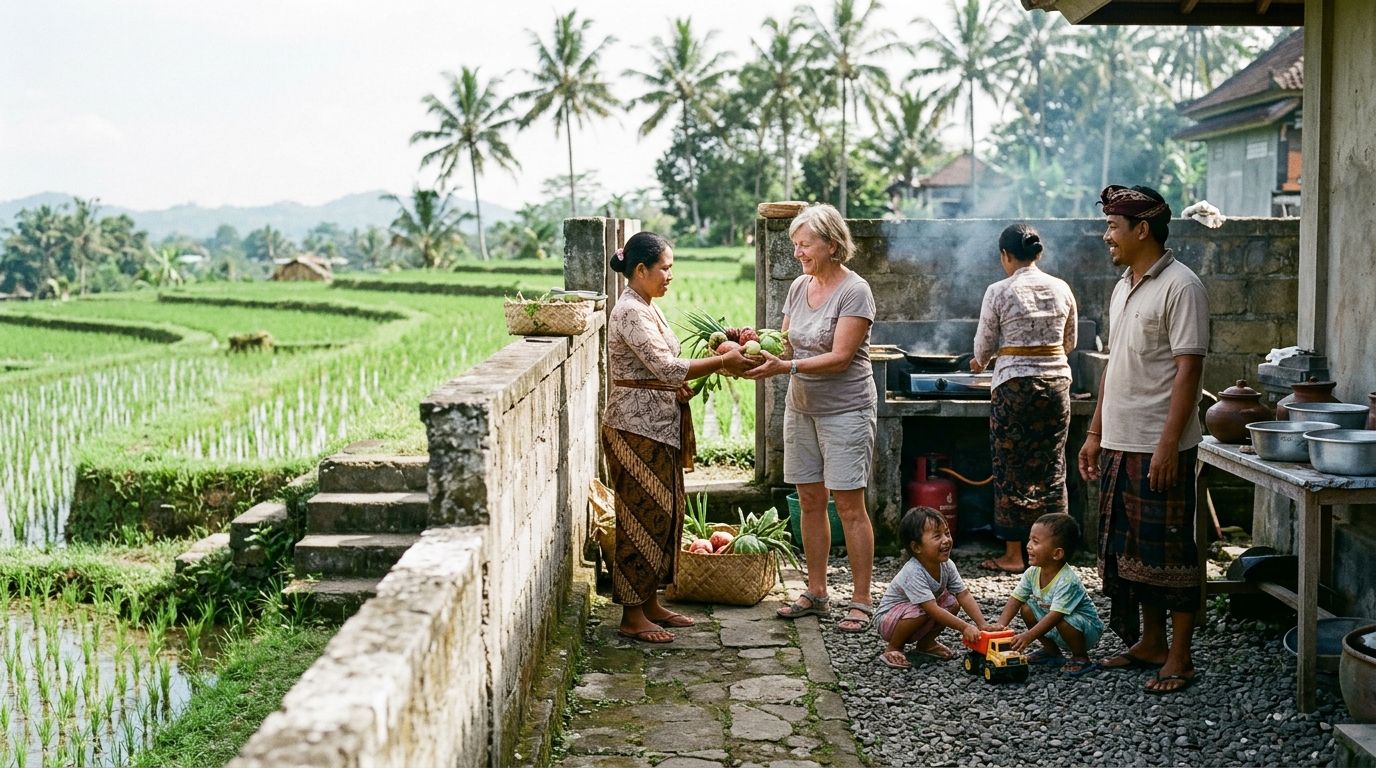
What is the quality of life in Bali?
Bali attracts people for many reasons: lush landscapes, an active cultural life, and a lifestyle that combines modern conveniences with easy access to nature. This article outlines the island’s main advantages and downsides, explains practical essentials like healthcare and connectivity, reviews typical costs, and highlights neighbourhoods that suit different priorities. Read on to get a balanced picture so you can decide whether Bali fits your lifestyle.
Benefits of living in Bali and lifestyle highlights
Bali offers a compelling mix of natural beauty, practical comforts, and a vibrant cultural life that appeals to both long-term residents and short-term visitors. The island balances ease of daily living with abundant opportunities for outdoor activity, personal growth, and social connection.
Climate and outdoor living
The tropical climate brings warm temperatures year round, with many areas averaging 26 to 30°C and a clearer dry season from April to October. Beaches and rice terraces are minutes away from many towns, making surfing, hiking, and early morning walks regular parts of life rather than occasional treats.
Wellness community and cultural richness
Bali has a strong wellness scene, including daily yoga classes, meditation centres and specialised retreats. Traditional Balinese ceremonies and weekly markets create continual cultural engagement, allowing residents to find meaningful local rhythms and community events quickly.
Convenience and modern essentials
Urban areas provide reliable utilities, modern grocery options and private clinics, with larger international hospitals reachable within an hour from many popular districts. Internet access has steadily improved, with fibre plans commonly available in towns and many coworking spaces offering stable connections for remote work.
Cost and lifestyle flexibility
Housing options range from simple local apartments to private villas with pools, so it's feasible to live modestly or choose a higher-end lifestyle. Daily essentials such as fresh produce and local dining are affordable, which helps stretch budgets while still allowing occasional dining out and leisure activities.
These benefits combine a relaxed pace with practical services and abundant ways to stay active and connected. Before weighing these positives against the realities of living on the island, it helps to understand some common frustrations residents encounter.
Drawbacks and common frustrations for residents
Living in Bali brings many joys, but it also presents recurring annoyances that affect daily comfort and long-term planning. These frustrations are usually manageable but persistent enough that both newcomers and long-term residents should be aware of them before committing to life on the island.
Below are the most common downsides reported by residents based on practical experience and local realities.
- Traffic congestion and limited road capacity Roads in popular districts get congested during peak hours and holiday periods, turning short trips into hour-long commutes. Narrow streets and frequent motorbike clusters make driving stressful for those not used to local traffic patterns.
- Inconsistent infrastructure and utilities Power outages occur in some areas during heavy rain or at peak demand, and water pressure can be unreliable in hilltop neighbourhoods. These interruptions are more common outside major towns and may require backup plans for sensitive equipment.
- Bureaucracy and visa complexity Visa renewals and official registrations often require multiple documents and in-person visits to offices with long queues. Rules change periodically, so residents must stay vigilant and budget time for administrative tasks.
- Waste management and environmental concerns Litter and plastic pollution remain visible in many coastal and roadside areas, affecting local aesthetics and health. Recycling options are limited and community clean-ups are frequently needed to maintain neighbourhood standards.
- Healthcare limitations in remote areas While urban clinics handle routine care well, serious or specialised treatment may require transfer to larger hospitals in Denpasar or other major centres. Emergency response times vary with distance and traffic conditions.
These frustrations do not negate the island’s appeal, but they do shape everyday choices around where to live and how to plan. With that in mind, the next section covers practical essentials—healthcare, transport and internet—that determine how smooth daily life will be.
Everyday life essentials including healthcare transport and internet
Settling into Bali depends on three practical pillars that shape everyday comfort and productivity. Access to medical care, transport options and reliable internet vary by neighbourhood, so it helps to know typical services, costs and realistic expectations before choosing where to live.
Healthcare and medical access
Most popular towns have private clinics offering general practice care and basic diagnostics during daytime hours, with typical consultations costing IDR (Indonesian Rupiah) 150,000 to 400,000. Pharmacies are widespread and carry common prescription and over-the-counter medicines. For serious or specialised treatment, residents travel to larger public hospitals in Denpasar where more comprehensive services are available; ambulance transfer costs depend on distance and traffic. International health insurance that covers medical evacuation is strongly recommended for long-term residents.
Transport and getting around
Motorbikes are the primary mode of transport for short trips, with long-term scooter rental rates typically 600,000 to 1,200,000 IDR per month. Hiring a driver for a full day of sightseeing or errands commonly costs 400,000 to 800,000 IDR and is a convenient option for families or those who prefer not to ride. Ride-hailing apps and metered taxis operate in urban areas for single trips, and inter-town transfers are practical but travel times can double during peak holiday periods due to congestion.
Internet and connectivity
Home fibre plans are widely available in towns, with typical packages from 300,000 to 800,000 IDR per month offering 20 to 100 Mbps. Mobile data on prepaid SIMs is inexpensive; 4G (fourth generation mobile network) covers most populated areas while 5G (fifth generation mobile network) is available in limited zones. Coworking spaces provide stable commercial-grade connections and daily access for remote workers, with day passes usually 100,000 to 200,000 IDR.
Overall these essentials are well covered in established neighbourhoods, but costs and service quality fall off with remoteness. Choosing a villa or apartment close to clinics, main roads and fibre infrastructure removes most daily friction and keeps life on the island smooth and productive. With practical needs covered, next consider how much living in Bali will cost and how to budget effectively.
Cost of living overview and practical budgeting tips
Understanding typical costs makes life in Bali straightforward to plan for. Rent dominates monthly spending: modest shared rooms and local kos are available from 2,500,000 to 5,000,000 IDR per month, while one-bedroom apartments and basic private villas usually range from 5,000,000 to 12,000,000 IDR. Higher-end villas with private pools commonly start at 15,000,000 IDR and can exceed 40,000,000 IDR. Food costs are affordable when you use local markets and warungs, where meals cost 15,000 to 40,000 IDR; dining at western-style restaurants typically costs 60,000 to 200,000 IDR per meal. Monthly groceries for one person commonly run 1,500,000 to 3,500,000 IDR depending on how often you buy imported items. Utilities vary with air-conditioning use and household size, so expect electricity bills from 300,000 to 1,000,000 IDR and water from 100,000 to 300,000 IDR. Home internet plans range from 300,000 to 800,000 IDR for reliable fibre. Transport is inexpensive by local standards, with scooter rental at 600,000 to 1,200,000 IDR per month and daily driver hire for errands at 400,000 to 800,000 IDR. Routine clinic visits are around 150,000 to 400,000 IDR and having international health insurance remains a sensible precaution for larger medical events.
Budgeting smartly starts with defining the lifestyle you want. A frugal, locally focused lifestyle can be maintained on roughly 8,000,000 to 12,000,000 IDR per month by choosing shared accommodation, eating local and using a scooter. A comfortable expat lifestyle with private housing, occasional drivers and mixed dining sits around 20,000,000 to 35,000,000 IDR per month. Upscale living with staff, frequent dining and premium services will exceed 50,000,000 IDR. Practical moves to lower costs include negotiating multi-month rent for discounts, buying fresh produce at morning markets, using prepaid SIM data packages and joining a coworking space rather than paying for a dedicated office. Always budget an emergency fund equal to three months’ rent and set aside funds for visa renewals, health insurance and peak-season price increases. These concrete steps keep finances predictable and let you tailor life in Bali to your priorities.
With costs and budgeting in mind, the next step is choosing a neighbourhood that matches how you want to live day to day.
Best neighbourhoods to suit different lifestyles Canggu Ubud Sanur
Choosing where to live in Bali depends on daily priorities rather than a single notion of comfort. These three neighbourhoods serve distinct lifestyles and will shape your routine, social life and budget. Below is a clear breakdown to help match your preferences with practical realities.
Match neighbourhood strengths to what matters most
If your priority is social life and convenience, pick an area known for cafes, coworking and nightlife. If solitude and nature rank higher, opt for an inland village with rice terraces and a slower pace. Families commonly prioritise safe beaches, schools and reliable services, while remote workers focus on internet infrastructure and easy access to communal workspaces.
- Canggu Popular with digital nomads and young families for its vibrant café scene, surf beaches and multiple coworking spaces. Typical one-bedroom rentals often range from 6 to 15 million IDR per month, and private villas with pools start around 15 million IDR. Expect lively traffic at peak times and strong social networks for fitness and creative communities.
- Ubud Ideal for those seeking wellness culture and quiet green surroundings, with daily yoga sessions, markets and art studios on the doorstep. Rent for modest homes commonly sits between 5 and 12 million IDR per month while larger properties near central Ubud cost more. Internet is generally reliable in town centres and the pace suits remote professionals who value focus and local workshops.
- Sanur Suited to families and residents who prefer calm beaches, safe swimming and easier day-to-day logistics. Rental options are stable with one-bedroom homes from 5 to 12 million IDR and family villas from 12 million IDR. The coastline is gentler, schools and clinics are close, and the neighbourhood offers a steadier, low-key rhythm.
Decide first on daily rhythms, then compare specific properties in each area. Using a trusted listings service simplifies side-by-side comparisons and shortlists properties that match your budget and lifestyle priorities. If you’re beginning a property search, consider browsing listings at https://www.balivillahub.com/en to compare vetted villas and long-term rentals that suit different budgets and neighbourhoods.
In summary, Bali offers a high quality of life for people who prioritise nature, community and flexibility. The island’s conveniences and cultural richness are balanced by infrastructure quirks and occasional administrative hurdles, so planning ahead—especially around healthcare, connectivity and budgeting—makes the transition much smoother.