What is the rain stopper in Bali?
Bali Villa Hub
3/18/2026
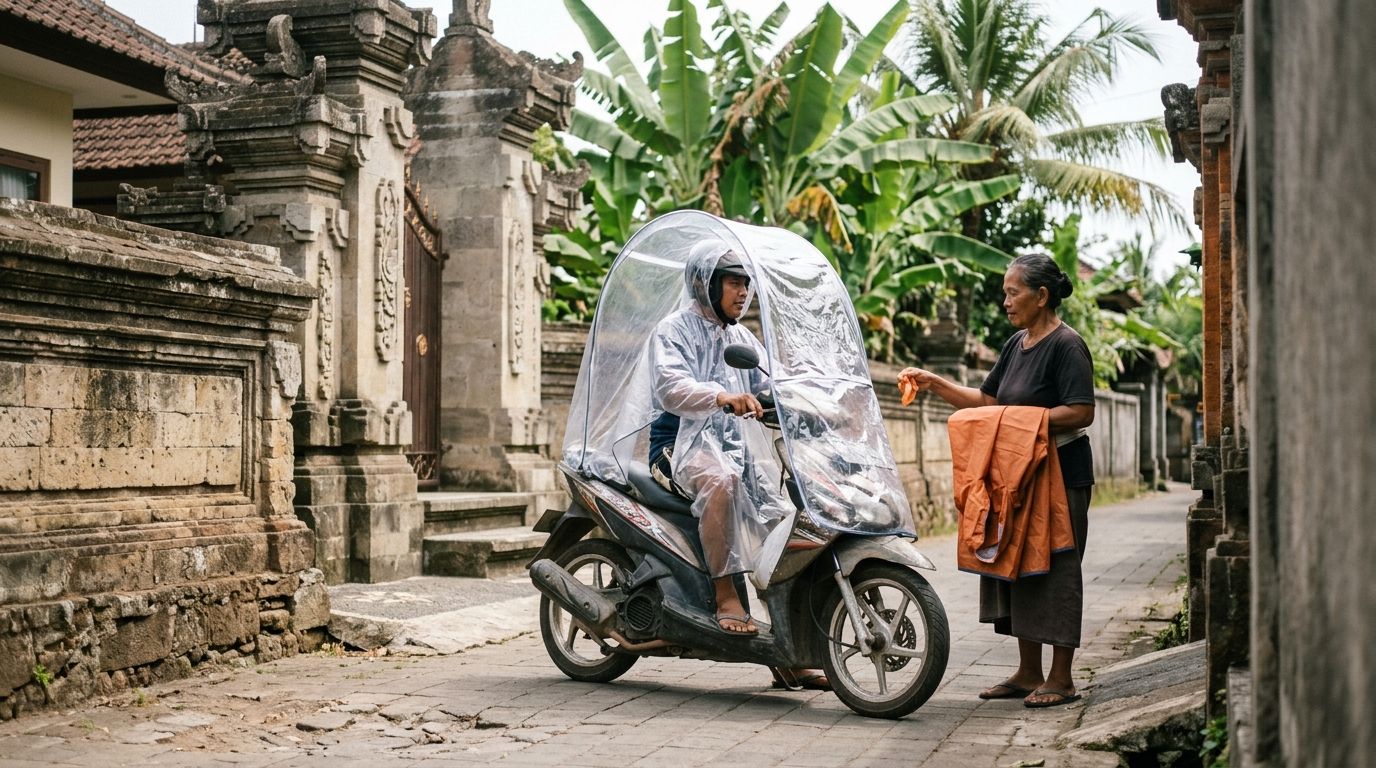
What is the rain stopper in Bali?
Across Bali, the figure known as the pawang hujan serves a practical and cultural purpose: protecting time-sensitive outdoor ceremonies and harvests from sudden rain. This article explains who a pawang hujan is, how they work, when communities call them, how the role fits between sacred duty and paid service, and what both science and local experience say about effectiveness. Reading these sections in order will give a clear picture of a living tradition that intersects weather observation, ritual practice, and community life.
Who is a pawang hujan and how the tradition began
In Bali a pawang hujan is a traditional rain stopper whose role blends practical skill with spiritual practice. Rooted in agrarian life and local belief systems, this figure has long been called on to protect ceremonies and harvests from sudden rain.
Origins and cultural roots
The tradition began in rural communities where rice cultivation depended on predictable weather. Villagers turned to local specialists who combined observation of clouds and wind with ritual knowledge to influence rain during critical moments such as planting and temple festivals.
Over centuries this practice absorbed elements of Balinese Hinduism, animist customs, and practical meteorology, making the pawang hujan both a cultural guardian and a pragmatic adviser.
Role and responsibilities
A pawang hujan conducts offerings, chants, and symbolic actions aimed at calming storm spirits or diverting rain from an event. They often read signs in the sky, then perform ceremonies that include water, incense, and spoken invocations to local deities.
Beyond stopping rain, they advise on timing for ceremonies, supervise rituals, and act as intermediaries between households and spiritual forces. For large public events such as weddings or temple anniversaries, organizers will sometimes request their presence.
Training and community standing
Training is typically hands-on through apprenticeship with an experienced practitioner and may include learning ritual formulas and local lore. Some pawang hujan inherit the role through family lines while others become known by reputation after successful work.
In village life they are respected for their knowledge and often consulted alongside priests and elders when weather could affect important communal activities.
Today the pawang hujan remains a living tradition in Bali, valued for its cultural meaning and community role even as modern forecasts supplement ancient practice. Understanding who they are and their standing in the community helps explain the specific rituals and techniques they use.
How rain stoppers perform their rituals and techniques
Rain stoppers in Bali blend careful weather reading with ritual practice to protect ceremonies and crops. Their approach is practical and symbolic at once, adapting to the scale of an event and the signs they see in the sky.
Methods vary by locality and by practitioner but generally follow a sequence of observation, preparation, action, and monitoring to keep rain away when it matters most.
- Reading the sky and signs — They watch cloud shapes, wind direction, humidity, and bird behavior to judge the likelihood of rain, then decide when to begin ritual work.
- Offerings and altar setup — Small offerings of flowers, rice, incense, and holy water are arranged toward key directions to placate local spirits and create a sacred perimeter around the event site.
- Recitations and sound — The pawang utters traditional invocations and may use drums, bells, or chanting to focus attention and call on protective forces believed to influence weather.
- Physical gestures and tools — They sprinkle holy water, wave a ceremonial umbrella, burn incense, and place symbolic objects at compass points to redirect clouds or dissolve incoming showers.
- Timing and repetition — A pawang typically arrives well before an event and repeats short rituals every 15 to 45 minutes if clouds persist until the risk passes or the ceremony finishes.
Despite regional variations, these elements form a consistent practice where observation supports action and ritual gives communal confidence. Knowing these methods clarifies when communities call on a pawang hujan for help.
When Bali calls a rain stopper typical events and uses
Communities and event planners call a rain stopper when the weather threatens a time-sensitive outdoor ritual or gathering. A pawang hujan is most often engaged for occasions where ceremony timing is fixed and interruption would carry social or spiritual cost. Organizers typically request the practitioner two to four hours before the start so observation and preparatory rites can be completed.
Traditional religious ceremonies are the most common reason for a summons. Temple anniversaries known as odalan require precise timing for offerings. Cremation processions called ngaben and important life cycle rites such as metatah (tooth filing) are also occasions where families prefer to avoid rain. Large purification rituals like melasti, which bring sacred objects to the sea, are particularly vulnerable because the ritual path must remain dry and accessible.
Secular and commercial events also draw rain stoppers when the stakes are high. Outdoor weddings, open-air concerts, film shoots, and cultural performances hire them to protect schedules and camera setups. High-end villas and retreat operators sometimes keep a trusted pawang on short notice for guest ceremonies and high-profile bookings. In these cases the practitioner combines traditional rites with careful monitoring of local weather signs and coordinates closely with event teams.
Practitioners usually remain on site until the risk passes, performing brief rituals at intervals of fifteen to forty-five minutes and offering a closing blessing when the event concludes. This mix of ritual care and practical vigilance leads into questions about how the role is perceived in a changing economy.
Sacred tradition or commercial service and the role's status
The role of the pawang hujan sits at the crossroads of faith and commerce. In many villages the practitioner remains first and foremost a custodial figure whose work is embedded in spiritual practice. In urban settings and tourist markets the same role is often presented as a paid service that helps protect scheduled events from rain. This dual nature shapes how the role is perceived and regulated today.
Spiritual foundations and community respect
Historically the pawang acted as a mediator between people and unseen forces. Ritual knowledge is transmitted within lineages and apprenticeship retains an important place in training. Communities value the pawang not just for weather management but for ritual authority and moral standing when a ceremony must align with sacred timing.
Market demand and service provision
As modern events grew more frequent and weather became a commercial risk, some practitioners began offering their skills for a fee. Villas, wedding planners, and production crews now hire pawang for predictable coverage. These transactions can be straightforward professional arrangements, but they also raise questions about authenticity when rituals are shortened or adapted to fit a schedule.
Evolving status and public perception
Perception depends on context. Locals may still treat a pawang with reverence during temple ceremonies while viewing paid services as pragmatic in the tourist economy. At the same time some practitioners gain broader recognition by combining ritual practice with weather reading and by working alongside meteorological services.
Ultimately the pawang hujan continues to be both a bearer of sacred tradition and a practical resource. Where it sits on that spectrum varies by community and occasion but its ongoing presence reflects an adaptive cultural practice that remains meaningful for many in Bali. If you are planning an outdoor ceremony or booking a villa in Bali, resources such as https://www.balivillahub.com/en can help you find venues and local services that respect these traditions while coordinating event logistics.
Does it really work evidence from science and local belief
From a scientific standpoint there is no reproducible evidence that rituals can change large-scale weather systems. Modern meteorology explains rain through pressure gradients, temperature profiles, and moisture content, which are tracked with instruments and models. That said, pawang hujan often succeed at short range because they read local signs that are hard to capture on a map. Cloud type, wind shifts, humidity, and animal behavior can give reliable minutes to hours of warning about an approaching shower. When a practitioner times rituals during these narrow windows, the event may remain dry not because a supernatural force intervened but because the practitioner sensed a temporary lull. Human perception also favors success stories: people remember the times the rain stopped and forget routine failures, which reinforces belief.
Local belief and practical effects matter in other ways. The presence of a pawang creates calm among participants and gives organizers a simple protocol to follow while they monitor conditions. Rituals include repeated checks and short interventions that keep attention on the weather and enable quick adjustments, lowering the chance of disruption. Many modern practitioners combine traditional practice with forecasts to manage risk for weddings, film shoots, and temple rites. So while science does not support control of weather by ritual, the combination of observational skill, timing, and social coordination produces tangible benefits. The tradition therefore retains practical value and cultural meaning even if its success can be explained without invoking supernatural cause.