What is the red zone in Bali?
Bali Villa Hub
3/18/2026
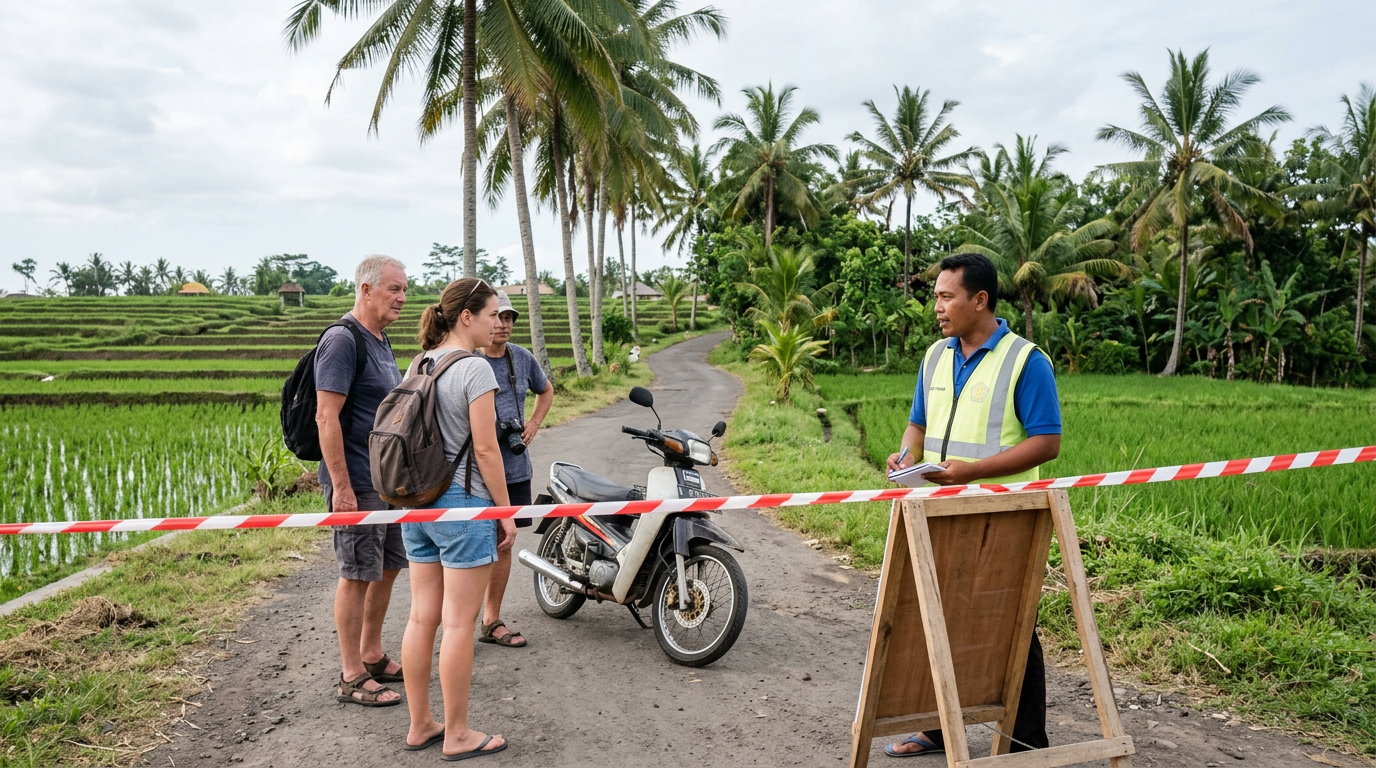
What is the red zone in Bali?
Understanding the red zone is essential for anyone considering commercial property or development in Bali. This article explains what the red zone means, how it fits within Bali’s broader zoning framework, how to verify a plot’s designation, the permits you’ll need to develop there, and how red zone status influences value and investment decisions. Read on to get a practical, connected overview that helps you move forward with confidence.
Red zone commercial land classification in Bali
The red zone identifies land set aside for commercial use within Bali local spatial plans. It signals that the preferred activities on the plot are business-oriented and that development must follow the detailed planning rules set by provincial and regency authorities. Understanding what the red zone allows and restricts is essential before committing to purchase or development.
Legal definition and basis
RDTR (Rencana Detail Tata Ruang) maps produced by each regency and municipality establish red zone classifications. These maps implement higher-level spatial planning and translate policy into precise parcels and color codes. The classification does not change land ownership rights but it does define permitted uses, density limits and which permits are required for construction and operation.
Typical permitted uses and limits
Common permitted uses include retail outlets, restaurants, boutique hotels, serviced villas, offices and mixed-use projects. Compared with agricultural and residential zones, the red zone typically permits greater building intensity. Local regulations frequently set height limits that often range from two to four storeys and require specific setbacks, parking provisions and plot coverage ratios. Exact numeric limits vary by regency, so consult the RDTR for the specific site.
Practical considerations for buyers and developers
Before proceeding, engage in due diligence that includes verifying the RDTR designation at the planning office, checking the land certificate status and confirming any encumbrances. Ensure the site can obtain an IMB (Izin Mendirikan Bangunan) and other operational permits, and assess access to utilities and road networks. Work with a local planner and a licensed notary to interpret constraints and to prepare compliant designs.
In short, the red zone opens clear commercial opportunities but demands careful review of local rules and permits to protect your investment and secure smooth approvals. To understand how that designation is created and applied across Bali, next review how the zoning system itself functions.
How Bali's land zoning system works
Bali uses a hierarchical zoning approach that translates broad spatial policy into detailed parcel-level rules. At the top is the regional spatial plan known as RTRW (Rencana Tata Ruang Wilayah), and beneath it each regency or municipality produces a detailed map called RDTR (Rencana Detail Tata Ruang) that assigns color-coded zones to every plot. These maps do not change who owns the land but they define what activities are permitted and what approvals are required to build or operate on the site.
The color zones are practical tools that guide permitted uses, building intensity and basic design controls. For example, the red zone allows commercial activity while the green zone protects agriculture and the conservation zone restricts development to protect ecosystems. Each RDTR will also set numeric constraints such as maximum building height, plot coverage ratios and mandatory setbacks. These numeric rules differ by regency, so the same color can carry different limits depending on local policy.
In practice, zoning affects approvals, finance and project timelines. To obtain a building permit you must present plans that comply with the RDTR designation. Banks and investors will request zoning confirmation as part of due diligence since a mismatch can block construction or reduce permitted density. Confirming the RDTR classification early prevents costly redesigns and avoids legal risk when permits are reviewed by the planning office.
Because zoning maps are periodically updated, it is important to verify the current RDTR at the local planning office before purchase. Engage a licensed planner and notary to interpret the map and to check certificates and encumbrances. With clear verification, the zoning system becomes a reliable framework for translating Bali policy into usable development rights. With that framework in mind, the next section shows practical steps to verify a property’s zone.
How to verify a property's land zone in Bali
Verifying a land zone is essential before you commit to buy or develop a plot in Bali. The official classification comes from the RDTR map issued by the regency or municipality and it determines permitted uses, building intensity and permit requirements. Start this verification early so you can spot any restrictions that affect design, financing or approvals. Bring the land certificate details and parcel coordinates when you consult authorities or specialists.
- View the RDTR at the regency planning office and request an official statement of the plot classification. This confirms the colour code and any written notes that apply to that parcel.
- Have a licensed surveyor match the land certificate boundary to the RDTR map using the parcel coordinates. This step prevents mistakes when map lines do not align with physical markers on the ground.
- Request a written zoning confirmation from the planning agency or the Kecamatan office. A signed document is useful for banks, planners and permit applications.
- Check the land certificate and any encumbrances at the national land office and with a licensed notary. Verify ownership status, tax receipts and any existing easements or disputes that could affect use.
- Confirm permit feasibility by discussing your intended use with the DPMPTSP (Dinas Penanaman Modal dan Pelayanan Terpadu Satu Pintu) or local permit office and a local architect. Ensure the RDTR permits your project type and that you can obtain an IMB and other sector permits.
Completing these steps provides a clear record of the plot status and reduces the risk of surprises. Engage a local planner and notary to interpret documents and to prepare the applications correctly. If you prefer coordinated local support, the team at https://www.balivillahub.com/en can assist with RDTR checks and next steps to help streamline verification.
Permits and regulations for developing in the red zone
Developing in the red zone means you are building on land designated for commercial use, but designation alone does not remove the need for multiple permits and local approvals. Compliance is a layered process that starts with confirming the RDTR classification and continues through building permissions, environmental clearances and operational licenses.
Mandatory planning approvals
The primary requirement is a building permit known as IMB (Izin Mendirikan Bangunan) which must be issued before ground works begin. To obtain the IMB you need site plans that match the RDTR rules for height, setbacks, plot coverage and parking. The planning office will require proof of land status from the national land agency and evidence that taxes and certificates are in order. Numeric limits and specific conditions differ by regency, so apply to the local Dinas Tata Ruang or PTSP for firm requirements.
Environmental and operational permits
Projects with potential environmental impact must pass either an AMDAL (Analisis Mengenai Dampak Lingkungan) assessment for larger developments or a UKL-UPL (Upaya Pengelolaan Lingkungan dan Upaya Pemantauan Lingkungan) process for smaller-scale works. Thresholds are set by the regional environment agency, so confirm early which route applies. For business operations you will also register via the business licensing system to obtain a NIB (Nomor Induk Berusaha) and sector permits for hospitality, food service or retail. Buildings often need a Sertifikat Laik Fungsi or other safety certificates before opening.
Local rules and customary obligations
Beyond statutory permits, check customary village rules and cultural buffers near temples and the coastline. Many villages require written approval or consultation with the banjar and desa adat which can affect siting and public access. Include community engagement in your timeline and budget to avoid delays during permit review.
Begin with a documented RDTR confirmation and then secure IMB, environmental clearances and business registration in sequence. Work with a licensed planner, a notary and local officials to obtain written approvals and clear timelines. If you need hands-on coordination with local authorities and permits, consider contacting https://www.balivillahub.com/en for practical support and guidance.
How red zone status affects property value and investment
Red zone designation typically increases a plot's commercial appeal and can raise its market value because it permits higher intensity uses and revenue-generating activities. Investors see red zone land as suitable for shops, restaurants, serviced villas, small hotels and mixed-use projects which usually command stronger rental yields than pure residential land. Lenders and appraisers will often view red zone parcels as more bankable when documentation is clear and permitted density is favorable. At the same time, comparables are driven by local RDTR numeric limits so two red zone plots in different regencies can produce very different valuations. In short, the label adds upside potential but that upside is tied to concrete permissions and existing infrastructure such as road access, utilities and parking availability.
There are also clear cost and timing implications that can offset value gains. Commercial projects often require more complex permits, environmental studies and operational registrations which increase pre-development expense and lengthen timelines. Local customary requirements and village consultations may impose design constraints that affect usable floor area or guest capacity. To capture value reliably, perform early due diligence, confirm RDTR and IMB feasibility, and budget for environmental and community processes. Work with a licensed planner, notary and a local advisor to quantify returns and risks. For coordinated local support to verify zoning, interpret regulations and smooth the permit pathway, visit https://www.balivillahub.com/en to explore practical assistance for your project decisions.