When Is Bali's Peak Tourist Season and What to Expect
Bali Villa Hub
3/13/2026
When Is Bali's Peak Tourist Season and What to Expect
Bali draws visitors year-round, but crowd sizes, prices, and the island's energy shift noticeably at certain times. This guide explains when high season occurs, why it happens, how crowds affect prices and availability, and practical ways to plan if you travel during the busiest months. Read on to learn the peak months, the weather and events that drive them, planning tips to reduce stress, quieter shoulder-month alternatives, and answers to common questions so you can choose the timing that suits you best.
Which months make up Bali's peak tourist season
Bali's busiest months cluster around two main windows each year. The single most crowded period is within the dry season, with July and August drawing the largest number of international visitors. A second heavy spike occurs at year end, with December and early January seeing intense holiday travel and festive bookings.
More precisely, the prolonged high season typically runs from mid-June through September, when stable sunny weather aligns with northern hemisphere summer holidays. A separate surge begins in mid-December and continues through the second week of January as families and holiday travelers converge for Christmas, New Year, and school breaks. Popular districts such as Canggu, Seminyak, Ubud, and Uluwatu are busiest during both windows, while peripheral islands and quieter inland areas fill more slowly but still experience heavy demand.
Understanding these months helps set expectations for crowds, transport, and pricing. Expect hotels and villas to require early reservations and for rates to be considerably higher than in shoulder months. If you must travel in the core months, aim to secure accommodation and key activities at least three to six months in advance and be prepared for busier beaches, restaurants, and attractions. For clarity, mark July, August and December through early January on your calendar as the primary peak windows.
With the timing clear, the next question is how those crowd levels change the costs, options, and vibe of your stay.
How crowd levels influence prices availability and atmosphere
Crowd intensity in Bali has a direct effect on three practical travel factors: pricing, availability, and the overall feel of your stay. Recognising how these elements shift between low, shoulder, and peak months helps you make smarter booking choices and set realistic expectations for daily life on the island.
Below are the main ways rising visitor numbers alter what you pay, what you can book, and how the island feels once you arrive.
- Prices rise noticeably. Rates for villas, hotels, and popular restaurants commonly increase during peak months, with nightly villa rates frequently 30 to 50 percent higher than low season. Flights and organised tours also see surges, so budgeting ahead matters.
- Availability tightens. High demand means top properties and preferred time slots sell out quickly; many favourite villas are booked three to six months in advance. Last-minute plans during peak windows often lead to limited choices or premium pricing.
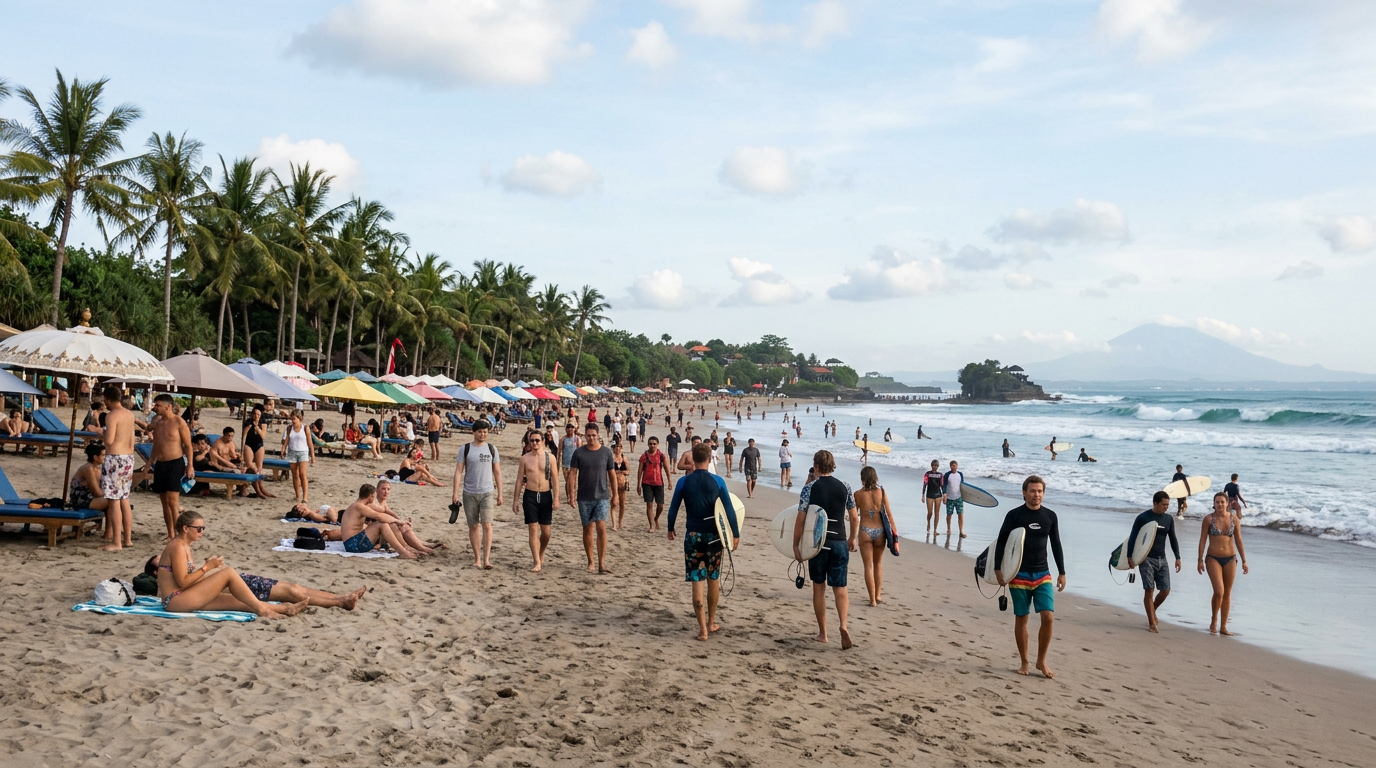
- Atmosphere becomes livelier and busier. Beaches, cafés, and cultural sites feel crowded with longer queues and less personal space—ideal for social travellers but less appealing for those seeking solitude.
- Service and operations adjust. Businesses scale up staff and extend hours, yet wait times for tables, transfers, and activity slots can still increase on the busiest days. Expect more events and services aimed at larger groups.
- Activity scheduling is constrained. Popular experiences like sunrise climbs, boat trips, and guided tours fill early in the day, so securing morning slots in advance is advisable to avoid disappointment.
To manage crowd impacts, book early, target midweek stays, and remain flexible about exact locations to find better rates. If a quieter atmosphere matters, aim for shoulder months when prices ease, availability improves, and the island still offers excellent weather.
Next, we look at the weather and calendar events that help create these peak windows.
Weather patterns and major events that create high season
Peak travel times in Bali are shaped by a predictable blend of weather and calendar events. Clear, sunny conditions make the dry months the most attractive for beaches, surfing, and outdoor activities, while international holiday periods push visitor numbers sharply higher. The key climate drivers and major events that combine to form high season are summarised below.
Dry season and consistent sunshine
From mid-June through September Bali experiences its driest and sunniest weather, with daily temperatures commonly between 26 and 31 degrees Celsius and lower coastal humidity. Stable mornings and light afternoon breezes create ideal conditions for beaches, diving, and trekking, which naturally draws larger numbers of international travellers seeking reliable outdoor days.
International holidays and school breaks
Northern hemisphere summer holidays concentrate visitors into July and August, while year-end school breaks and festive travel cause another surge from mid-December through early January. These windows produce the highest hotel occupancy and peak demand for services across the island.
Cultural festivals and island events
Local and regional events also amplify demand. Major cultural celebrations such as Nyepi create unique travel patterns, with many visitors planning around the day of silence. Annual festivals and large-scale events in Bali and nearby regions attract niche cultural tourism and can push particular towns or venues into peak levels even outside the broad dry season.
Understanding this mix of weather and calendar triggers helps you decide whether to join the crowds or pick a quieter shoulder month that offers similar conditions at lower cost.
Below are practical tips to keep your trip smooth if you travel during the busiest months.
Practical planning tips for visiting during Bali's busiest months
Book early and lock in essentials as soon as your dates are firm. Secure flights and accommodation three to six months in advance for stays in July, August, and mid-December to early January. Choose midweek arrival and departure days where possible to avoid the busiest transfer windows and to find better rates. Prebook airport transfers and allow extra travel time, since traffic from Ngurah Rai International Airport into southern areas frequently takes 45 to 90 minutes during peak periods. Reserve sunrise climbs, boat trips, and popular restaurants in advance and pick morning time slots before 8 am when crowds are smallest. Aim for flexible cancellation terms on larger purchases and keep copies of confirmations offline and printed in case mobile service is limited.
Plan daily logistics to reduce stress and maximise enjoyment. Stay in a villa with a private pool and air conditioning if you value quiet and privacy during busy weeks, and choose neighbourhoods that match your mood—if you prefer less foot traffic, favour inland or eastern-coast locations. Expect longer queues at temples and tourist sites and start early for temple visits and beach sessions to beat midday crowds. Pack sun protection, light breathable layers, and a refillable water bottle. Check the calendar for Nyepi and major Balinese ceremonies and adapt plans because some services pause on important local dates. Finally, consider travel insurance with trip interruption cover and carry a mix of card and small cash for local vendors that prefer cash payments. These small steps will help keep your trip smooth even when the island is at its liveliest.
If you prefer fewer crowds, explore these shoulder-month options and quieter areas next.
Better alternatives and top shoulder months for fewer crowds
If you want a quieter Bali experience, aim for the shoulder months that combine pleasant weather, lower rates, and far fewer visitors. The clearest windows to consider are April, May, September, and October. In these months beaches and cultural sites are calmer, transfers are easier, and villa availability improves compared with July, August, and the year-end rush.
Quieter areas to choose when avoiding crowds
Pick locations that naturally disperse visitors. East-coast towns such as Amed and Tulamben offer peaceful beaches, diving, and coastal scenery without the heavy southern shore traffic. Sidemen and the central highlands around Munduk provide rice terraces, waterfalls, and a slower pace ideal for walking and immersion in local life.
If you want island time without the busiest marinas, try Nusa Lembongan and Nusa Ceningan outside school holiday weeks, where small beaches and calm reefs are easier to enjoy. For a balance of conveniences and quiet, consider staying inland while scheduling short coastal day trips to avoid peak beach hours.
- April Warmer seas arrive and the first reliable dry weeks create excellent conditions for surfing, snorkelling, and temple visits with far fewer tourists than summer months.
- May Stable weather continues and rates drop compared with July and August, making this an efficient month for longer stays and booking higher-end villas at better value.
- September The island still has dry weather and crowds thin as northern hemisphere schools return, which makes it prime for beaches, hikes, and boat trips without heavy lines.
- October Days remain pleasant and occasional short rains later in the month keep landscapes green while visitor numbers stay low.
Choose a shoulder month for a relaxed itinerary and book key activities a few weeks ahead to lock preferred times and locations while enjoying the gentler rhythm of the island. If you’d like to compare villa options and check current availability, consider browsing https://www.balivillahub.com/en for a range of properties and simple booking tools that can help you plan with confidence.
Common questions about Bali's peak and busy periods
Travelers often ask when peak season occurs and the simple answer is that Bali has two distinct peaks: a longer dry-season surge and a shorter holiday surge. The longest busy window runs from mid-June through September, with the heaviest months being July and August, while a second intense spike starts in mid-December and eases in the second week of January. Visitors want to know how far ahead to book; the practical rule is to secure flights and preferred villas three to six months before travel during these windows to avoid limited availability and steep last-minute premiums. Many ask how much prices rise; a realistic expectation is increases around thirty to fifty percent for popular properties, plus higher costs for transfers, tours, and restaurant reservations. Questions about crowd impact on daily life are common: expect heavier traffic, longer queues at temples, beaches, and attractions, and busier dining and nightlife scenes. This suits social travellers but can frustrate those seeking calm. People also wonder about weather and events; the dry season offers the most reliable sunshine, which helps explain the mid-year peak, while cultural holidays such as Nyepi change service availability, so plan around those dates. Families ask about safety and convenience: the advice is to pick accommodations with private amenities, prebook transfers, and choose morning activity slots to avoid midday crowds. Finally, many want alternatives: the best strategy is to travel in shoulder months like April, May, September, or October when weather remains pleasant, rates fall, and visitor numbers are much lower. With a little advance planning and flexible timing, most visitors can either enjoy the festive energy of peak months or bypass crowds by shifting their trip to a quieter period.