Where is not touristy in Bali?
Bali Villa Hub
3/22/2026
Where is not touristy in Bali?
Bali still has quieter corners where daily life sets the pace and crowds are rare. From short village walks near Ubud to highland lakes, hidden waterfalls and low-key coastal towns, these places reward curiosity and a slower rhythm. Below are practical descriptions and tips to help you experience Bali’s calmer side while respecting local life.
Serene Ubud walks and quiet village escapes
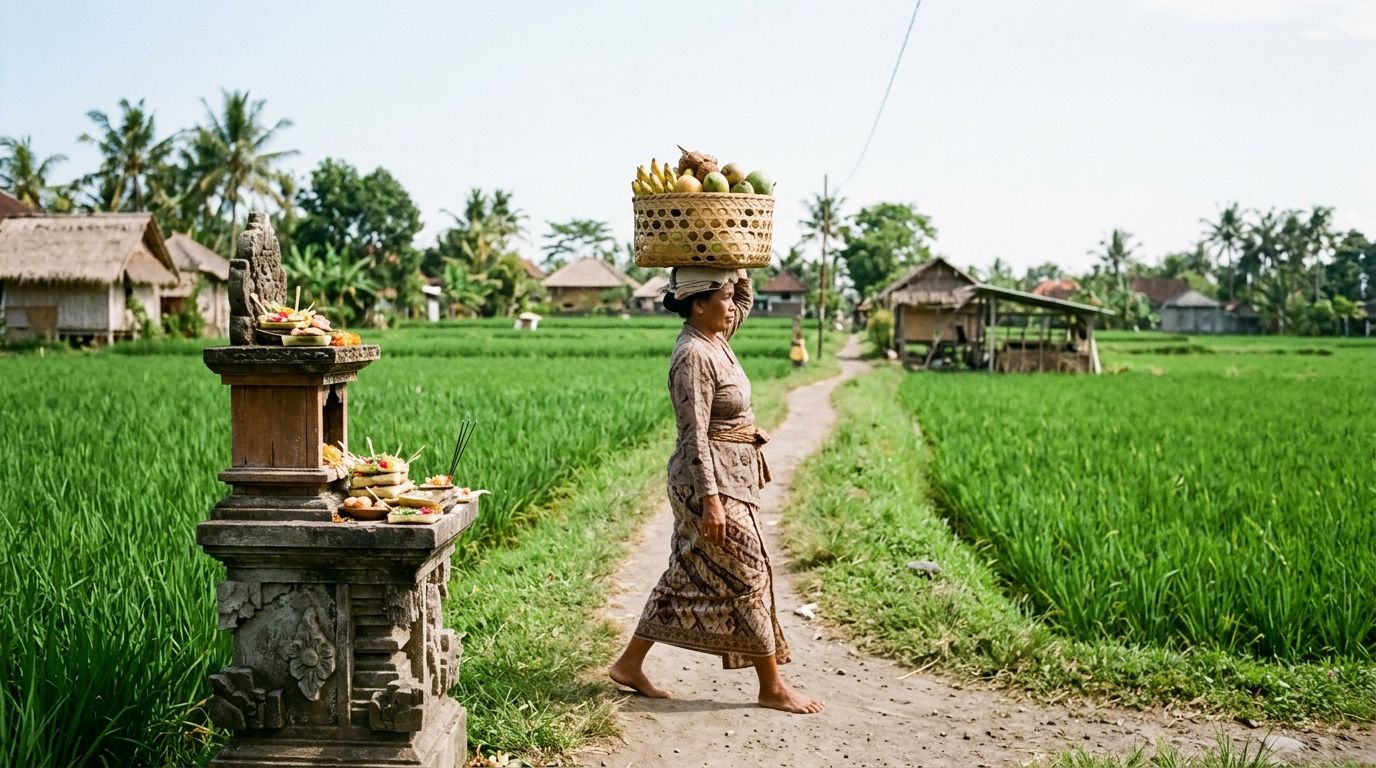
Just beyond Ubud center lie short walking routes that feel removed from the busier sights. Narrow lanes wind through small rice plots, family gardens and simple village temples. Walks taken early in the morning reveal cool air, roosters and the steady rhythm of daily life.
Penestanan and Sayan Rice Walks
The footpaths around Penestanan and Sayan offer two to four kilometer loops on a mix of paved lanes and compacted earth. Begin before eight in the morning to enjoy soft light on the terraces and to pass few other walkers. Along the way you will see local women tending plots, small irrigation channels and occasional spots perfect for a brief rest.
Riverside Lanes and Small Village Temples
Choose the quieter riverside routes that run from Peliatan toward nearby hamlets. These lanes follow shallow streams and pass modest family temples where offerings are laid each morning. Expect short stretches of stone steps and bamboo fences; bring slip-resistant shoes for wet patches after rain.
Bongkasa and Keliki Village Escapes
Just a short drive from Ubud center are Bongkasa and Keliki, where village life feels unhurried. Walks here are ideal for observing traditional crafts and rice maintenance without crowds. Many paths are suitable for a relaxed thirty to ninety minute stroll and can easily be combined with a stop at a local warung for tea.
Carry water and modest sunscreen, dress respectfully when passing temples and keep noise low to preserve the atmosphere. These simple choices make it easy to enjoy Ubud's quieter corners and genuine village moments.
From the calm lanes of Ubud, it’s natural to head higher where cooler air and lakes offer a different kind of solitude.
Highland villages and lakeside retreats away from crowds
The highland villages north of central Ubud and the lakes near Bedugul show a very different side of Bali. Places such as Munduk sit about one thousand to twelve hundred meters above sea level and are defined by cool air, clove and coffee fields and narrow footpaths that lead to small waterfalls. Lakes like Buyan and Tamblingan sit in a quiet caldera ring and present mirror-calm water with only a handful of local fishing boats on most days.
These areas are best enjoyed in the early morning when mist lifts from rice terraces and a few guesthouses begin serving breakfast. Walks of thirty to ninety minutes along forest tracks reveal traditional water temples, people tending small plots and shaded viewpoints that face volcanic ridges. Expect simple facilities rather than polished tourist infrastructure and bring cash for local warungs and small entry charges.
Practical details matter in the highlands. Roads can be narrow and occasionally rough, so a car with a local driver or a reliable motorbike will make access easier. Temperatures often fall below twenty degrees Celsius after sunset, so pack a warm layer and a light rain shell during the wet months. If you prefer solitude, choose homestays or family-run guesthouses positioned five to fifteen minutes’ walk from the main village centre rather than lakeside resorts.
Visiting these highland villages and lakeside retreats rewards simple curiosity and a relaxed pace. Move slowly, listen to how the day unfolds and you will find moments of calm that are increasingly rare elsewhere on the island.
After the highland calm, quieter waterfalls and thermal pools often require a short hike or a local guide to reach—these are next on the list.
Undiscovered waterfalls and natural hot spring spots
Bali still hides quiet cascades and small hot springs that see mostly local visitors and patient travellers. These places reward a little extra effort with cool pools, moss-covered rocks and the kind of silence that comes from being off main roads. A short hike or a village-guided walk often reveals a waterfall or a thermal pool with no entrance crowd.
Visit early in the morning for softer light and easier access along wet trails. Bring sturdy shoes, a lightweight towel and small change for local contributions to maintenance or banjar fees when required.
- Krisik Waterfall – Located in a wooded valley and reached by a twenty to forty minute walk along shaded paths, this fall has a shallow pool ideal for cooling down after the hike.
- GGC Waterfall – Tucked near a small hamlet with rice terraces, the approach includes a short staircase and a narrow river crossing, so wear sandals that grip wet stone.
- Munduk hidden cascades – A cluster of smaller falls accessed from coffee roads; most are fifteen to forty-five minutes from the village and are quiet except for a few local farmers.
- Tembuku village falls – Sits within traditional East Bali farmland and is best visited with a local youth guide who knows the steeper sections and safe swimming spots.
- Pemandian Air Panas Piling Kawan – A natural hot spring with multiple pools; the facilities remain simple and you will often share the space with families from nearby villages.
Respect local customs near temple shrines and avoid loud music. If a guide is suggested by villagers, agree on a clear price beforehand and keep the visit low impact. These small steps help preserve the calm that makes these waterfalls and springs special.
Coastal alternatives also exist for those who prefer sea air to mountain mist; the next section outlines quieter shorelines and fishing villages.
Low key coastal towns and calmer beach alternatives
If you want sandy shores without heavy crowds, look to small coastal towns that retain a local rhythm. These places offer long quiet stretches of sand, modest snorkeling reefs and family-run cafés where morning routines still matter. Expect simpler infrastructure and a gentler pace compared with busier surf hubs.
Small Ports and Fishing Villages
Many quieter beaches are centred around working ports and fishing hamlets rather than large resort developments. Early mornings are the best time to watch small boats return with the catch and to see nets being sorted on the sand. The calm water in these bays is often ideal for swimming and for short reef swims with a local guide.
- Sanur – A paved promenade and shallow calm water make it ideal for slow walks and sunrise views, while the residential streets behind the coast lead to quiet warungs and traditional markets.
- Lovina – Famous for black sand and gentle waves, it offers dolphin trips that leave early and return before midday so afternoons remain peaceful for beach time and local dining.
- Amed – A low-key fishing coastline with rocky points and coral reefs, excellent for snorkelling from the shore and staying in family-owned bungalows set back from the water.
- Pemuteran – Quieter than many west coast spots and noted for community reef restoration, it provides shallow snorkel sites with minimal boat traffic and relaxed guesthouses a short walk from the beach.
Choose homestays or small guesthouses a short walk from the sand, carry cash for local purchases and arrive early in the day to enjoy the most tranquil hours. Small gestures of respect to local customs help keep these coastal towns calm and welcoming for everyone.
To make quieter travel easier, the final section gathers practical tips that apply across Bali and a few small planning suggestions to keep your visits low impact.
Practical travel tips to avoid tourist hotspots
To consistently find quieter corners of Bali, plan around time and rhythm rather than fixed lists of places. Travel early in the day and aim to arrive at popular vantage points before seven in the morning when light is soft and most tour groups have not yet started. Visit midweek and choose shoulder months like April to June or September to November to reduce the chance of mass arrivals. Book accommodation that is a short walk from small village centres rather than on main parade strips; this will encourage morning market visits and easy access to local lanes without needing a car. Use local transport options where practical such as public buses or a hired driver who knows back roads instead of direct express transfers that drop you at busy sights. When approaching a temple or a waterfall, ask locally about lesser used entrances or quieter times and consider hiring a young local guide for a fixed small fee; this both supports the community and reduces the chance of heading to the most photographed spot. Pack light rain protection and sturdy shoes so you can comfortably take narrower trails and short village routes that are unsuitable for large tour groups. Carry cash in small denominations for banjar contributions, parking and warung purchases and always agree the price with a guide or driver before you set off. Keep your visits low impact: avoid loud music and large groups, dress respectfully around shrines and dispose of waste with care. Finally, be flexible with your itinerary and allow extra time for unplanned turns down a lane or an invitation to a family workshop; those spontaneous decisions are where Bali still reveals quieter, memorable moments.
If you would like assistance finding a quieter villa or local recommendations for off-the-beaten-track stays, consider browsing https://www.balivillahub.com/en for options and practical local advice.