Which is the peak season in Bali?
Bali Villa Hub
3/23/2026
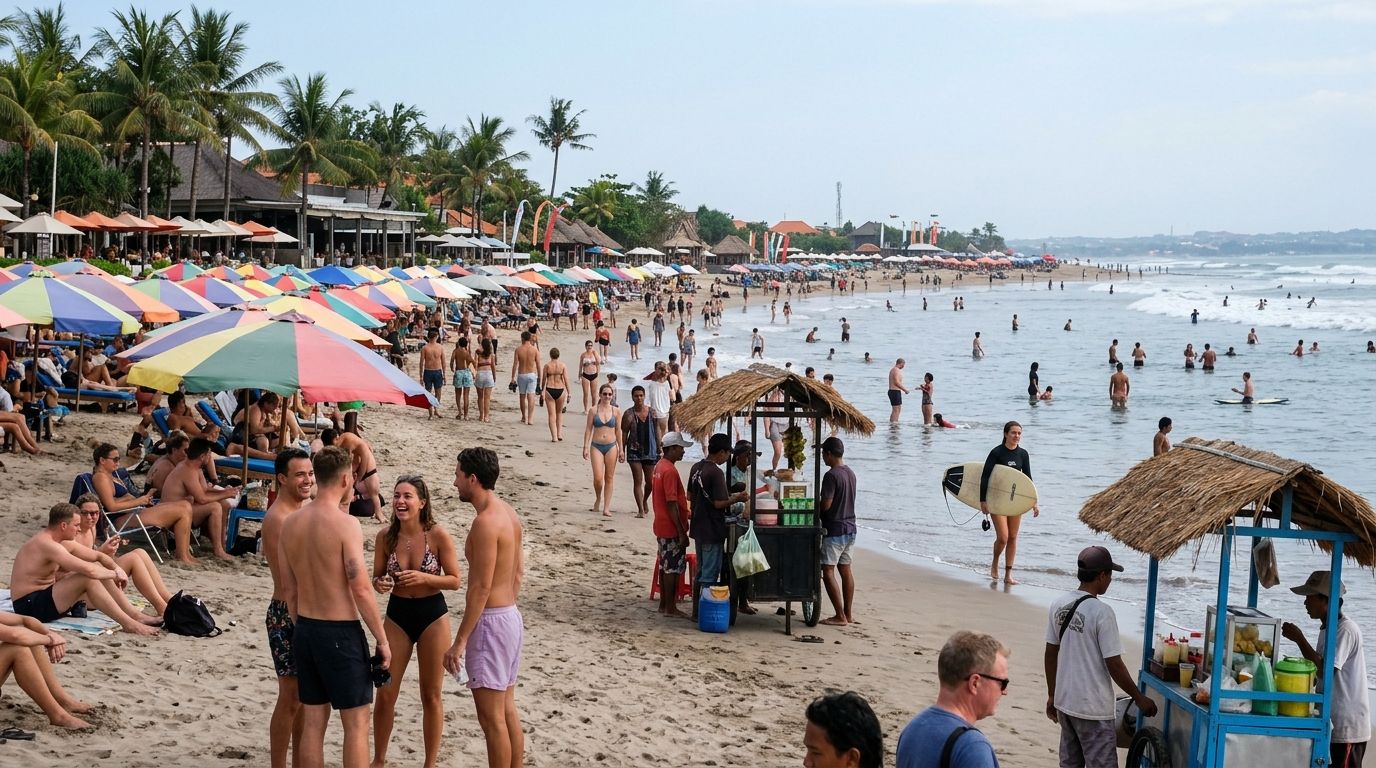
Which is the peak season in Bali?
Bali's popularity is easy to understand: warm weather, beaches, and rich cultural events draw visitors year-round. This article outlines when the island is busiest, what drives those peaks, and how to make smart choices whether you seek festival energy or quieter value. Read on to learn the exact months that count as peak season, the trade-offs involved, and practical tips to travel smoothly when Bali is at its liveliest.
Identifying Bali's peak months and high seasons
Bali has distinct high seasons when demand, prices, and crowds rise sharply. Knowing the specific months and the reasons behind those surges helps you choose dates that match your priorities for weather, activities, and budget.
Peak periods fall into two clear clusters and several shorter spikes tied to holidays and ceremonies. Below are the months and what to expect in each so you can plan with clarity.
- July and August — the mid-year summer peak — bring the highest international arrivals, full hotels, busy beaches, and elevated prices throughout the island.
- December and early January — a year-end peak driven by Christmas and New Year travel — attract families and holidaymakers and often create limited villa availability.
- June and September act as shoulder peaks with excellent weather and noticeably fewer crowds than the core months, though early booking is still wise.
- March and April can produce short high-demand windows around Nyepi and major Balinese ceremonies, creating local spikes in accommodation and transport needs.
- Activity-specific seasons, such as surf season from May to September around the Bukit Peninsula and Nusa Islands, draw concentrated crowds to those areas even when the rest of the island is quieter.
These patterns are consistent year to year, though exact crowd intensity varies with flight schedules and international holiday calendars. If you want peak energy and festivals, choose the mid-year or year-end clusters; if you prefer quieter days and better value, aim for shoulder months or plan around festival dates. Always secure accommodation well in advance when traveling during known peak months.
With the main peak months identified, the next section examines the clear advantages and drawbacks of visiting Bali when it is busiest.
Advantages and drawbacks of visiting during peak season
Visiting Bali in peak season brings a clear set of trade-offs that suit some travelers and frustrate others. Peak months are when the island feels most energetic and services and activities operate at full capacity. Understanding the benefits and compromises helps you plan with confidence and avoid unnecessary stress.
Advantages include reliably dry weather and calm seas during the main dry months, which make beach days and outdoor excursions far more dependable. Popular areas offer a lively dining and nightlife scene with extended opening hours and special events. International flight options increase, and many tour operators and higher-end restaurants run fuller programs, so you can find guided trips and curated experiences on shorter notice. For families and festival seekers, peak months concentrate celebrations and services tailored to holiday visitors.
Drawbacks are concrete and immediate. Room rates commonly increase by 20 to 50 percent compared with shoulder months, and villas with private pools sell out weeks in advance. Expect longer waits at famous temples, busier surf breaks, and heavier traffic between Kuta, Seminyak, and the Bukit Peninsula. Service windows such as restaurant reservations and private transfers require booking at least eight to twelve weeks ahead during July, August, and the Christmas period. Noise and reduced privacy are common around popular beachfront properties.
Choose peak season if you prioritize near-perfect weather, a wide choice of activities, and a social atmosphere. If you prefer lower costs, quieter beaches, and more flexible plans, aim for shoulder months and plan around major holiday dates. Travelers who must visit during peak periods should book early and set realistic expectations about crowds to make the most of Bali at its busiest.
To turn busy conditions to your advantage, the following practical tips will help you manage logistics and enjoy a smoother trip during peak times.
Practical tips for traveling during Bali's peak tourist periods
Traveling to Bali when visitor numbers peak requires a little more foresight and a few simple habits that save time and reduce stress. Below are focused, actionable tips to keep your days smooth and enjoyable even when the island is full.
Book key elements well ahead
Reserve accommodation at least 8 to 12 weeks before travel for July, August, and December to January to secure preferred villas and rooms. Book airport transfers and popular day tours 48 to 72 hours before arrival and confirm restaurant reservations a week in advance for evenings at busy venues.
Plan your days to avoid crowds and traffic
Start temple visits and popular viewpoints early in the morning to beat queues and heat. Leave coastal hubs before 6:30 am for longer day trips and avoid returning through Kuta or Seminyak between 4 pm and 7 pm when traffic multiplies. Build a 30 to 60 minute buffer into any airport transfer window.
Choose accommodation and transport for comfort and flexibility
Opt for a private villa or hotel slightly inland to reduce time spent in congested tourist belts. Hiring a local driver for a full day of sightseeing gives you flexible arrival times and local route knowledge and often saves time over self-navigation. Carry IDR (Indonesian Rupiah) 200,000 to IDR 500,000 in cash for small purchases and tip jars, and secure a local SIM at the airport for maps and last-minute bookings.
With firm bookings and simple timing strategies you can enjoy Bali at its liveliest without sacrificing convenience. A little preparation turns peak season energy into an advantage rather than a hassle.
Next, we look at how crowds, prices, and festivals shift during those peak periods so you can plan around predictable pressure points.
How crowds prices and festivals shift during peak times
Peak seasons reshape the island in visible ways: visitor density rises in coastal hubs and cultural centers, which directly increases prices and alters how festivals operate and how locals and visitors move around.
How crowds concentrate and affect daily flow
During July, August, and the December to early January cluster, the busiest zones are Seminyak, Canggu, Uluwatu, and Ubud. Foot traffic at temples and markets can double or triple between 9:00 am and 3:00 pm, making queues and photo opportunities longer. Road travel times between popular points typically increase by 30 to 60 minutes each way compared with quieter months, so allow larger buffers for transfers and tours.
- Accommodation prices often rise by 20 to 40 percent for standard hotels and sometimes 50 percent for premium villas during core peak dates, and minimum-stay rules are more common.
- Transport and activity costs increase due to higher demand, with private driver rates rising by 10 to 20 percent and ticketed tours applying weekend or holiday surcharges that reduce last-minute availability.
- Festival timing creates short, intense spikes in local demand and occasional access restrictions, with some streets closed for processions and certain temples limiting visitor numbers—this affects nearby dining and lodging options.
Plan around these predictable patterns to avoid surprises: book accommodation and key experiences well ahead, choose early starts to beat crowds, and check festival calendars to turn high-season energy into a curated cultural advantage rather than a logistical headache.
Finally, this section explains the exact peak windows in simple terms so you know when to book and how far in advance to plan.
Exact peak periods July August December and January explained
July and August form Bali's mid-year high season, with consistently busy conditions from the first weekend of July through the last weekend of August. These weeks draw families and international holidaymakers chasing dry weather and predictable sea conditions. Expect full occupancy in popular areas such as Seminyak, Canggu, Uluwatu, and Ubud, and hotel rates that are commonly higher by 20 to 40 percent compared with shoulder months. The busiest days are weekends and national holidays within those months, so bookings made less than eight weeks in advance often face limited choices.
December and January create a distinct year-end peak that behaves differently. Demand increases gradually from mid-December, reaches a crescendo in the week of Christmas followed by the New Year spike, and remains elevated into the first week of January as returning travelers and late vacationers occupy accommodation. The most intense pressure on availability and prices is typically between December 20th and January 7th; some resorts enforce minimum-stay rules that extend well beyond these dates.
There are practical nuances between these core periods. Early July often feels slightly lighter than late July as school schedules vary by country. Early December is noticeably quieter until the Christmas rush begins, offering an opportunity for lower rates while still enjoying dry-season weather. Late January normally calms faster than late August as flight schedules and school terms resume, so the second half of the month can provide better value. For anyone traveling in these months, plan transfers and key experiences early, secure villa availability at least two to three months ahead, and prepare for longer local travel times during peak days.
For reliable villa options and to check current availability during these peak windows, consider browsing https://www.balivillahub.com/en to find properties that match your schedule and needs. With precise timing and advance reservations you can enjoy the reliable weather and lively atmosphere that make these months Bali's busiest.