Which month is dengue season in Bali?
Bali Villa Hub
3/23/2026
Which month is dengue season in Bali?
Travelers to Bali often ask when dengue risk is highest so they can plan trips and take sensible precautions. This guide explains the seasonal drivers of dengue on the island, the months when cases most commonly rise, how shifting rainfall patterns in 2026 might change that timing, which areas tend to have lower exposure, practical prevention steps, and what to do if you develop symptoms. Read on to prepare for a safer visit without missing the Bali experience.
Understanding Bali dengue season and how timing works
Knowing when dengue risk rises in Bali helps visitors make informed choices about travel dates and daily routines. Dengue activity follows clear ecological signals on this tropical island; rainfall, temperature and local water management all shape mosquito breeding and transmission. Below we explain what drives seasonal spikes and how that timing affects people on holiday.
Why dengue peaks after heavy rain
Frequent rain creates the standing water that Aedes aegypti mosquitoes use to breed. Warm temperatures speed egg hatching and larval development, so mosquito numbers climb within weeks of sustained rainfall. In practical terms, expect reported cases to increase roughly four to eight weeks after the heaviest rains.
How local climate patterns shape timing
Bali experiences a wet season from around November through March, with the most intense downpours typically in December and January. That combination of frequent showers and warm conditions from December through March produces the ideal setting for higher mosquito activity and more dengue transmission. Variations in seasonal intensity mean the exact peak can shift by a few weeks each year.
What this means for travellers
Highest dengue risk commonly falls between January and March though cases can occur year round. Aedes mosquitoes bite during daylight hours with peaks in early morning and late afternoon. Visitors should prioritise proven measures such as wearing long sleeves in peak hours, applying an effective repellent to exposed skin, and choosing accommodations with screens or air conditioning to lower exposure.
With that seasonal pattern in mind, the next section outlines the specific months when travellers should be most cautious.
Which months present the highest dengue risk for travellers
On Bali the pattern of dengue cases follows the island climate. The highest risk window runs from November through March, with case numbers most consistently elevated in January and February.
Mosquito populations expand after sustained rainfall and warm temperatures, so reported dengue typically rises about four to eight weeks after the heaviest downpours. That lag means travellers arriving in the months listed below should be especially cautious.
- November Rain becomes more frequent and standing water increases. Early-season breeding sites emerge, so local mosquito counts begin to climb.
- December Showers intensify and warm days follow, which accelerates mosquito development. Expect growing transmission risk by the end of the month.
- January This month often marks the first peak in dengue cases. Many health services report higher patient numbers, so vigilance is important.
- February February is commonly the highest risk month with sustained transmission in both urban and rural areas. Daytime mosquito activity is pronounced.
- March Risk remains elevated as the wet season tails off and breeding sites persist. Case counts usually begin to decline toward the end of the month but do not disappear.
Remember that dengue can occur outside these months, so no time is entirely risk free. Travellers should always use effective repellent during daylight hours, wear protective clothing when possible, and choose accommodations with screens or air conditioning to reduce exposure. The following section looks at how changes in rainfall patterns for 2026 could alter these expectations.
How changes to the 2026 rainy season could affect dengue spread
Climate shifts expected in 2026 could alter the seasonality of dengue in Bali in specific and measurable ways. Small changes in when and how much rain falls influence mosquito breeding cycles and ultimately transmission to people. Understanding those links helps travellers and local services anticipate higher risk windows and adapt protection strategies.
Shifts in timing and intensity
If the wet season arrives earlier or lingers later than usual, mosquito populations can expand outside the traditional November to March window. Conversely, a condensed period of intense storms followed by dry weeks can create many temporary breeding pools that persist in sheltered urban containers. These patterns mean peak case months may shift by several weeks compared with previous years.
How rainfall patterns change breeding dynamics
Aedes aegypti lays eggs that withstand dry spells and hatch quickly when water returns. Intermittent heavy rain that fills small containers without flushing larvae is often more favorable to population growth than steady downpours that wash breeding sites away. Urban flooding can also concentrate standing water in discarded items and poorly drained areas, raising local bite pressure even if total seasonal rainfall is unchanged.
Consequences for case numbers and health services
Expect reported dengue cases to rise roughly four to eight weeks after a period that favors breeding. A shift in that window can strain clinics if it coincides with holiday travel peaks. Local surveillance and rapid vector control become more important when rainfall is unpredictable, because delayed responses allow faster buildup of transmission intensity.
For travellers the takeaway is to monitor local weather and health advisories, practise consistent daytime bite protection, and seek prompt medical assessment for any fever. Anticipating how 2026 rainfall changes may move the dengue calendar makes prevention far more effective. The next section highlights areas in Bali that typically have lower bite pressure and why they might be preferable bases.
Top areas in Bali to consider if you want lower dengue exposure
Choosing where to stay makes a measurable difference to your daily bite risk. Areas with steady sea breezes or cooler highland temperatures tend to have fewer Aedes aegypti mosquitoes. Below are clear options to consider based on microclimate and local infrastructure so you can pick a base that reduces exposure without sacrificing the Bali experience.
Nusa Dua offers resort complexes with well-maintained grounds and good drainage which reduces standing water around villas and gardens. Uluwatu sits on exposed cliffs with constant afternoon wind which limits mosquito activity on most open coastal paths and beaches. Nusa Lembongan is a small island with persistent sea breezes and lower population density which means fewer domestic containers that act as breeding sites. Munduk is a highland option at roughly 800 to 1,200 meters above sea level where cooler nights slow mosquito development and outdoor bite pressure is typically lower. Amed on the east coast combines fishing villages with steady morning winds and less dense urbanisation compared with central Bali which can reduce daytime mosquito encounters.
Avoid choosing accommodations in densely built urban centres such as central Denpasar, Kuta or Seminyak when lowering dengue exposure is a priority. Heavy traffic, narrow drainage and many small domestic water containers create more breeding habitats. Even in rural rice terrace areas, check for nearby abandoned containers and poorly drained pits which can sustain mosquitoes after rain.
Practical tip — select rooms with mosquito screens or air conditioning and request a ground-floor room only if the property regularly clears pots and gutters. Daytime biting is typical for Aedes, so combine location choice with consistent repellent use and simple habitat checks around any villa or homestay to keep risk low. The following section outlines concrete prevention steps to use daily while in Bali.
Practical prevention steps visitors can take to avoid dengue
Simple, consistent actions reduce the chance of catching dengue while enjoying Bali. Focus on avoiding daytime mosquito bites and limiting local breeding sites near where you stay. The steps below are practical and easy to follow during a holiday or extended stay.
Key personal and environmental steps
Most dengue transmission is driven by Aedes aegypti, which bites during daylight hours with peaks in the early morning and late afternoon. Combining personal protection with habitat reduction around your accommodation gives the best results. Make these measures routine so protection does not depend on remembering them only once.
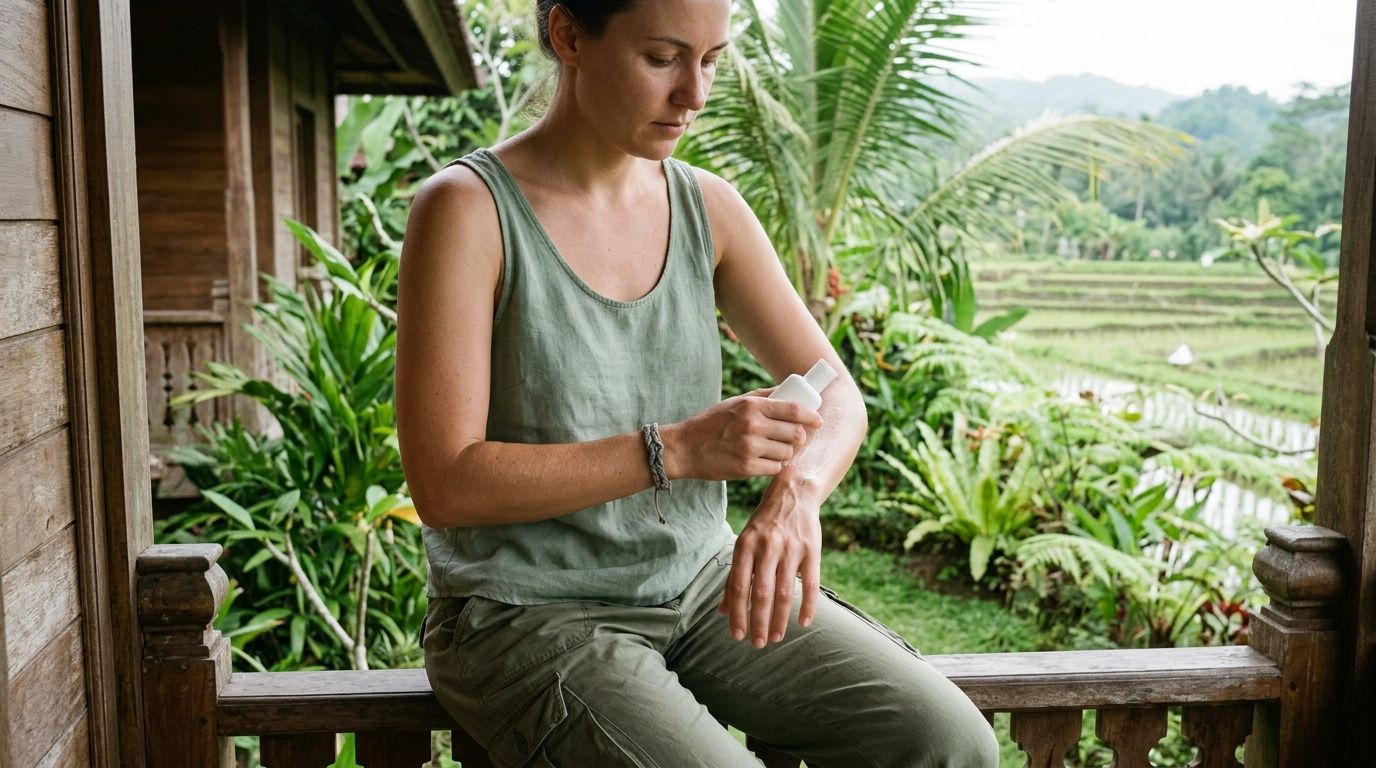
- Apply effective daytime repellent Use a repellent containing DEET (N,N-diethyl-meta-toluamide), picaridin or IR3535 on exposed skin every morning and reapply as directed after swimming or heavy sweating.
- Wear protective clothing during peak hours Choose long sleeves and long trousers in light fabrics at dawn and late afternoon to reduce exposed skin while staying comfortable in tropical heat.
- Pick accommodation with screens or air conditioning Select rooms with secure window screens or reliable air conditioning and close doors when mosquitoes are active to limit indoor bites.
- Remove standing water and check the grounds Inspect patios, plant pots and gutters for small pools and ask staff to clear or cover containers that hold water to stop local breeding.
Practice these steps every day you are in Bali, especially during the higher risk months. If you develop a fever, seek medical attention promptly and inform clinicians about recent mosquito exposure so dengue can be assessed without delay. Next, learn how to recognise dengue and what to do if you suspect infection.
Recognising dengue symptoms and what to do if you suspect infection
Dengue typically appears after an incubation period of three to fourteen days following a mosquito bite. Early signs include a sudden high fever commonly above 38.5°C, severe headache (often behind the eyes), intense muscle and joint pain, and a skin rash that often develops two to five days after fever onset. Other frequent symptoms are nausea, vomiting and mild nose or gum bleeding. Watch for warning signs that suggest progression to severe dengue such as persistent severe abdominal pain, repeated vomiting, rapid breathing, bleeding from the nose or gums, fainting or extreme lethargy, and reduced urine output. These warning signs most often emerge around the time the fever begins to fall and require urgent attention.
If you suspect dengue, seek medical assessment promptly and mention recent travel and mosquito exposure. A clinician will usually order a blood test to detect the virus early and monitor platelet count and haematocrit levels. Begin oral rehydration immediately and use paracetamol for fever and pain while avoiding ibuprofen, aspirin and other non-steroidal anti-inflammatory drugs which increase bleeding risk. Rest and keep hydrated with oral rehydration solutions, water or coconut water, and monitor urine output. Seek emergency care without delay if any warning signs appear or if you feel faint or unusually weak.
For practical help arranging accommodation or trusted local support during your stay in Bali, consider visiting https://www.balivillahub.com/en to explore options that prioritise good drainage, screened rooms and on-call assistance. Staying informed and prepared makes dengue prevention more effective and helps you enjoy your trip with greater peace of mind.