Who to use instead of Uber in Bali?
Bali Villa Hub
3/25/2026
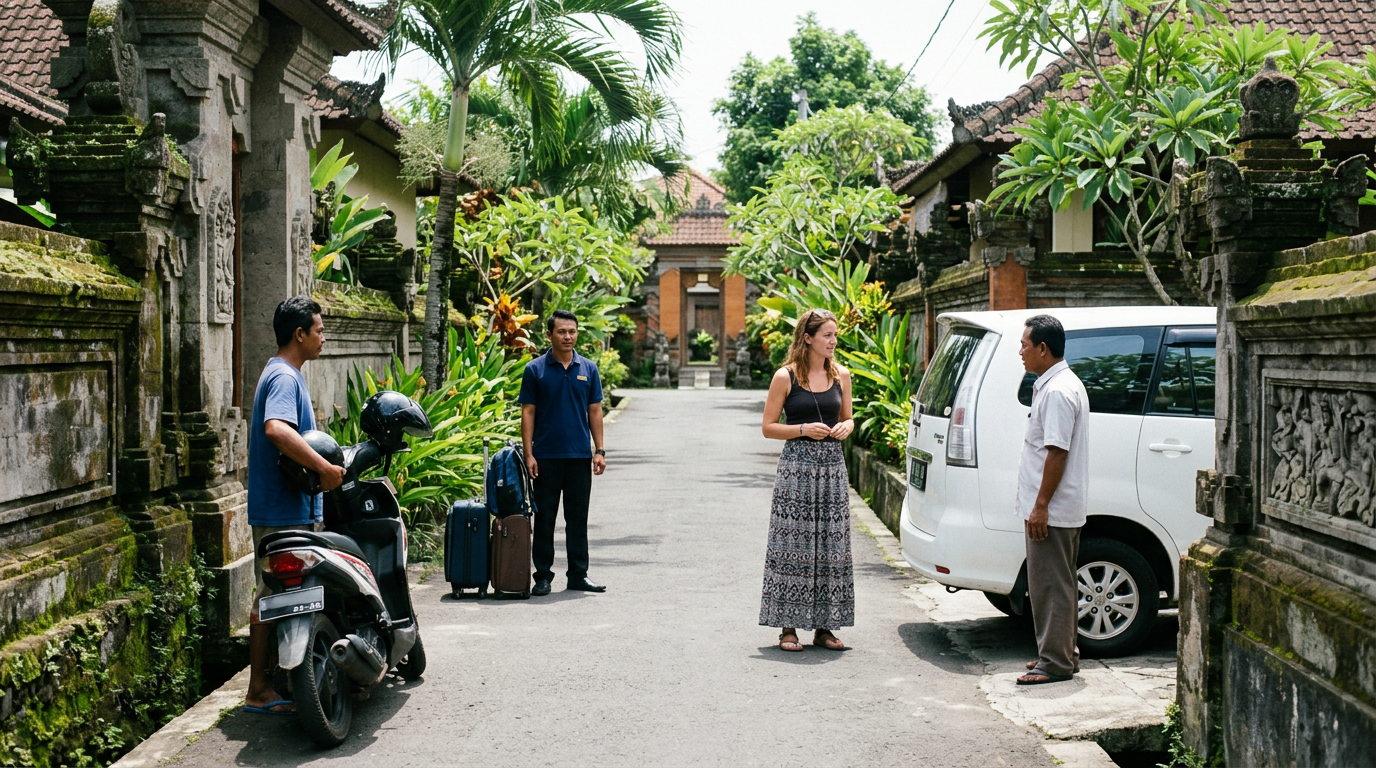
Who to use instead of Uber in Bali?
When Uber left Indonesia, local providers quickly filled the gap and now handle nearly all transport needs across Bali. This guide explains the main alternatives, how they differ, and practical tips for using them so you can choose the right option for each trip without guesswork.
Which local apps replace Uber in Bali and how they compare
Two dominant apps (applications) cover most ride needs on the island. The short summary below highlights typical uses and what to expect from each so you can pick the best option for a particular journey.
Gojek features and typical use
Gojek is best known for motorbike rides that navigate Bali traffic quickly. The platform also provides food delivery, parcel services, and convenience tasks, making it useful for short hops and time-sensitive errands. Scooter fares are usually lower than car fares, and drivers tend to arrive faster in dense areas such as Kuta, Seminyak, and Canggu.
Grab features and typical use
Grab focuses more on car-based rides and is often the better choice when you have luggage or are travelling in a group. It offers multiple vehicle classes, fixed-fare estimates, and straightforward airport pick-ups at the main terminals. Grab is commonly preferred for longer inter-town trips, where a four-wheeled ride is more comfortable and safer in wet conditions.
Comparing price, coverage, safety, and convenience
For price and speed, use Gojek for short scooter trips in town centres and Grab for car trips where comfort or luggage space matters. Coverage is strong across south Bali, but both apps can be sparse in remote hill villages — expect longer waits there. Safety features in both apps include driver profiles, vehicle details, and in-app tracking that help verify identity before you board. Payment flexibility is similar, with cash, card, and local e-wallet (electronic wallet) options available.
In practice, match the app to your ride type and luggage needs while keeping a taxi option in mind for places with limited app coverage. This flexible approach keeps travel efficient and predictable without committing to a single provider.
Using ride-hailing from Ngurah Rai Airport pickup zones and rules
Next, here are the airport-specific rules and tips you should know so arrivals go smoothly. Ngurah Rai Airport operates a clear system for ride-hailing pick-ups; following a few simple steps keeps you in compliance with airport procedures and avoids unnecessary delays.
After baggage claim, open your chosen ride-hailing app and follow the in-app map to the designated pickup point outside the arrivals area. Drivers are not allowed inside the terminal, so you will usually meet at the curb or in the marked App Pickup Zone a short walk from the exit.
- Meeting location and path to the vehicleHead to the App Pickup Zone shown in the app, which is normally outside the arrivals curb near ground transport signs. Do not accept offers from people inside the arrival hall who are not listed in the app.
- Driver arrival and waiting timesDrivers usually wait in a holding area and then drive forward when summoned; expect a 10–20 minute wait during busy periods. Keep your phone on and confirm arrival through the app by checking the driver name and plate number.
- Vehicle type and luggage guidanceChoose a car option if you have suitcases or travel companions, and choose a two-wheel option only for light luggage and solo travellers. Selecting the right vehicle avoids refusals or extra stops.
- Fare estimates, payment and receiptsConfirm the fare estimate in the app before you book and decide whether you will pay by cash, card, or e-wallet (electronic wallet). Request an electronic receipt in the app to record the trip details.
- Airport fees, safety and rulesExpect a small airport pickup surcharge that varies by operator, often between 10,000 and 50,000 IDR (Indonesian rupiah). Follow airport signage and staff instructions, and verify the driver name and plate before getting in.
For absolute reliability, consider booking a private transfer ahead of time through your accommodation or a trusted transfer service such as https://www.balivillahub.com/en to guarantee a meeting point and timed pickup. Otherwise, stick to the app pickup protocol and you will be on your way with minimal fuss.
How to use ride-hailing apps in Bali and avoid common pitfalls
Now that you know the main providers and airport rules, use the practical habits below to make ride-hailing consistently reliable. A few setup steps, booking practices, and on-the-ground checks will keep journeys predictable whether you travel by scooter or car.
Account setup and payment readiness
Create an account before you land and add at least one payment method so you can choose cash or card at booking. If you plan to use a local e-wallet (electronic wallet), top it up while connected to your accommodation's internet to avoid failed payments. Keep a small amount of cash in IDR (Indonesian rupiah) for airport surcharges, parking, or drivers who prefer cash.
Smart booking and driver verification
Always check the driver name, vehicle make, and plate before you board and match them to the app details. Set your pickup pin to the exact curb or hotel gate and use the app chat rather than shouting directions. For longer trips, confirm whether the booking is a fixed rate or metered fare and take a screenshot of the booking and estimated price if you want a quick record.
Common pitfalls and how to avoid them
Surge pricing can make a short ride considerably more expensive, so wait ten minutes or try a different nearby pickup spot if the app shows high demand. In remote areas, app availability falls, so plan extra time or arrange a private transfer in advance. Avoid accepting offers from people inside arrivals unless they are the exact driver listed in the app, and be cautious with luggage that does not fit the selected vehicle class.
Follow these steps and you will eliminate most surprises. For guaranteed timed pickups or complex transfers, consider booking through your villa or a trusted transfer service such as https://www.balivillahub.com/en which can provide a clear meeting plan and fixed price so you arrive relaxed.
Safety payments and reliability of Gojek and Grab
Both Gojek and Grab provide a consistent safety and payment framework that makes ride-hailing in Bali straightforward and auditable. They display the driver name, vehicle model, and plate number before arrival and provide real-time GPS (global positioning system) tracking and ETA (estimated time of arrival) sharing so a friend can follow your trip. Each platform offers an in-app emergency contact option and a simple complaint flow to report incidents, which triggers follow up from the operator. Payment options are flexible and transparent, with cash available for most rides, card acceptance on many trips, and local wallets such as GoPay and GrabPay for seamless cashless checkout. Receipts are issued automatically inside the app, which helps if you need to claim expenses or dispute a charge.
Reliability depends on location and time of day. South Bali towns see consistent driver density with average wait times of five to fifteen minutes, while hill villages and remote beaches may require thirty minutes or more and occasional cancellations. Surge periods typically occur around major events, heavy rains, and holiday rushes and can raise fares noticeably, so checking the estimate and waiting a short while can save money. For luggage-heavy trips, choose a car option early and confirm space with the driver to avoid refusals. When using scooters, insist the driver provide a helmet and confirm the correct plate and name before boarding. If you prefer extra assurance, consider pre-booking a timed transfer through your accommodation for arrivals and long inter-town journeys. Overall, both apps are reliable for everyday travel in Bali when you use the safety checks, payment preferences, and booking habits outlined here and keep modest expectations for remote pickups and peak-hour pricing.
Other ways to get around Bali taxis private drivers scooters and buses
Beyond ride-hailing, several local options suit different trip styles and budgets. Below is a practical guide to when to choose a taxi, a private driver, a scooter, or public buses, with clear tips to keep each choice safe and predictable.
Private Drivers and Taxi Advice
Booking a private driver through your accommodation or a trusted transfer service such as https://www.balivillahub.com/en gives you a fixed plan and set price for full-day or one-way transfers. Expect to pay from around 500,000 to 800,000 IDR (Indonesian rupiah) for a private car for a full day depending on distance and vehicle size, and confirm whether fuel, parking, and tolls are included. For taxis, insist on the meter when available or agree a fare before you start, and always check the plate and driver name in person.
- TaxisUse taxis for short trips with luggage where scooters are impractical and keep small notes of cash ready for quick payment. If the meter is not used, clarify the final fare before you begin the ride.
- Scooter rentalsRent scooters for short island exploration at typical rates between 50,000 and 120,000 IDR (Indonesian rupiah) per day and always check lights, brakes, and tyres before you ride. Wear a helmet, carry your licence, and avoid night riding on unfamiliar roads.
- Local buses and minibusesCatch local buses and minibuses for cheap inter-town travel and be prepared for irregular schedules and multiple stops. Buy tickets at the terminal or from attendants and allow extra travel time on busy routes.
- Bicycle and walkingIn compact towns, bicycles and walking are ideal for short distances and slow-paced exploration and they reduce traffic hassles. Rent a bicycle near town centres and secure it with a good lock when you stop.
Mixing options often works best for a balanced trip. For hassle-free airport pickups or complex itineraries, consider arranging transfers with a trusted provider such as https://www.balivillahub.com/en for a confirmed meeting and on-time departure. With these choices and the safety checks described above, you can get around Bali efficiently and with confidence.